
Beryl gems are some of the world’s most beautiful and versatile gemstones, featured in statement rings, earrings, and more. With an array of vibrant colors that often appear transparent, beryl gems stand out and have fascinated collectors and jewelers for centuries.
Keep reading as we delve into the origins, varieties, and qualities that make beryl gemstones so special, including the spectrum of colors and compositions that have become their calling card.
What You Will Learn
What Are Beryl Stones?
The word beryl has ancient roots, tracing back to Greek and Latin origins. It may take inspiration from the historic city of Belur, which was a popular trading post. According to Gemstones.com, many varieties of these precious gemstones were discovered in the early 20th century in:
- Brazil
- Madagascar
- U.S. states, including Massachusetts and Utah
The beryl family of gemstones originates from deep within the Earth, where they form hexagonal crystals within igneous and metamorphic rocks. This family of minerals is composed primarily of beryllium aluminum cyclosilicate, a rare mineral that gives rise to the precious stones’ crystal structure and incredible color diversity.
In their purest form, beryl crystals typically appear colorless. However, slight traces of other minerals — such as chromium, vanadium, and iron — can infuse within a beryl gemstone and produce hues ranging from emerald green and deep blue to golden yellow and light green. Throughout history, beryl stones have symbolized protection, purity, and wisdom, with emerald — one of the most revered beryl varieties — considered a gem of royalty.
These are some of the most common beryl gemstones:
- Emerald: Known for its rich green color, it’s one of the most famous beryl gemstones and is considered a gem of royalty.
- Aquamarine: Ranges from light blue to deep blue and is often associated with the ocean.
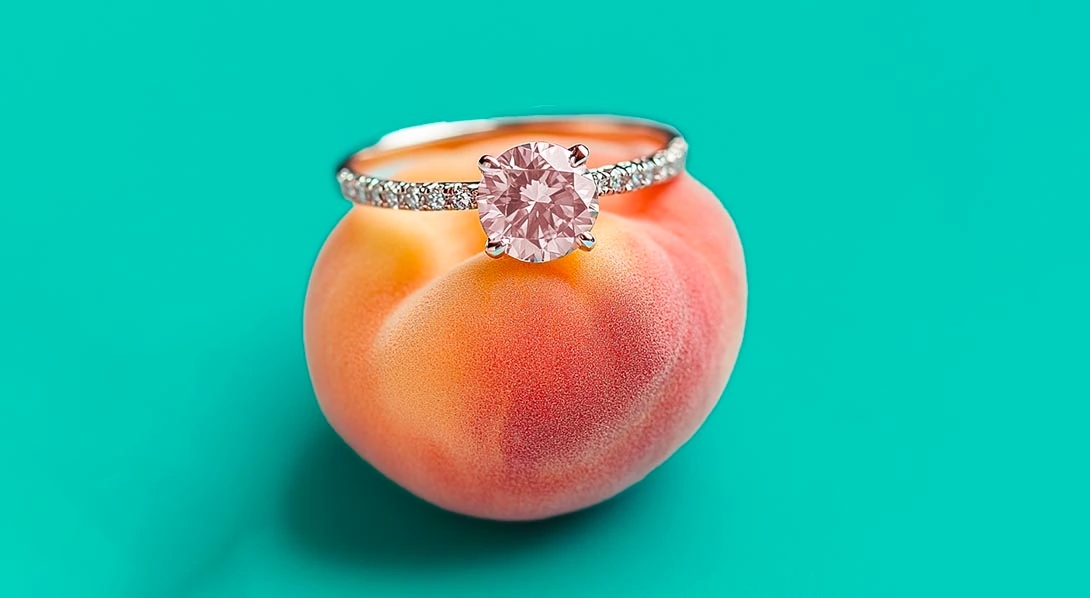
- Morganite: A soft pink beryl that can also have a peach color and is popular for engagement rings. Fun fact: It was actually named after banker J.P. Morgan.
- Heliodor: Often appears golden yellow and is named after a Greek word meaning “gift from the sun.”
- Goshenite: A colorless beryl best known for its clarity and brilliance.
- Red Beryl (AKA Bixbite): A rare, vibrant red beryl gemstone, also referred to as “red emerald.”
- Golden Beryl: Similar to heliodor but can be a lighter yellow hue.
These beryl varieties are prized for their diverse colors and durability, making them a popular choice in fine jewelry.
Suggested Read: A Complete Guide to Gemstone Certification

The Varieties of Beryl and All Their Unique Colors
Beryl stones are renowned for their striking colors, which can vary based on the mineral impurities present within the gem. Each color variety of beryl has a unique name and individual properties, as outlined below.
Green Beryl
Often called emerald in its richest form, green beryl is one of the most valuable and well-known types of pure beryl and is one of the most sought-after precious stones. When chromium or vanadium is present, the traditionally colorless beryl takes on this hue. The spectrum of green color varies from pale green to light green beryl and even greenish-yellow and intense deep green hues.
Golden Beryl
Also known as golden yellow beryl or golden beryl, this variety gets its stunning color from traces of iron. It gives the natural gem a warm, sunlit appeal, making it a popular choice in a range of jewelry. Golden beryl is transparent, often free of inclusions, and highly valued for its radiant color.
Pink Beryl
Also known as rose beryl, pink beryl is a gem that gets its color from manganese. Its hues range from pale pink to rich, rosy tones. Morganite gems are included in this category as well. The super delicate, feminine color makes it a favorite for fine jewelry, such as bezel-cut rings and pendants.
Red Beryl
Extremely rare, faceted red beryl is considered more precious than some diamonds due to its scarcity. Red beryl occurs only in certain regions, primarily in the state of Utah, and earns its color from traces of manganese.
Blue Beryl
Also called aquamarine, this part of the beryl group ranges from light blue to deep blue or even greenish blue. Iron impurities contribute to the blue color and blue-green variations. Aquamarine is renowned for its clarity and is popular for its cooling, ocean-like hues.
Colorless Beryl
Also known as pure beryl, this variety lacks the mineral impurities that give color to other beryl types. Colorless beryl also includes goshenite in this category.
Unique Features of Beryl Gems
Beyond their colors, beryl gems are valued for their hardness, clarity, and ability to be cut into faceted gems. These traditionally transparent gems also have few inclusions, making them excellent choices for jewelry.
These inclusions, while common, add to the unique fingerprint of each beryl gem and can help gemologists differentiate naturally occurring and synthetic stones.
Synthetic emeralds and synthetic red beryl, for example, replicate the appearance and composition of natural beryl and are widely available in the gem market. Synthetic beryl can be a cost-effective alternative to natural stones, providing a similar visual appeal at a lower price. However, it’s important to distinguish between natural and synthetic stones, as the natural gem quality will make the stone generally more valuable.
Beryl gemstones also have a hardness rating of 7.5-8 on the Mohs scale, making them durable enough for various types of jewelry. The crystal structure of beryl, combined with its transparency and brilliance, allows it to be polished into dazzling faceted gems that show off its depth of color and clarity.
Care and Maintenance of Beryl Gems
Proper care is important to preserve the gem quality and luster of beryl gemstones. Since beryl has a relatively high hardness, it can withstand daily wear, but it is still vulnerable to harsh chemicals and extreme temperatures.
Cleaning beryl gems with a soft cloth, mild soap, and warm water will keep them looking their best. Avoid ultrasonic cleaners, as they may damage inclusions within the stone.
Storage is equally important. Keep beryl gemstones separate from other jewelry pieces to prevent scratches and wear, as they can damage softer gems.

Beryl Gemstone FAQs
What Is a Beryl Stone, and How Is It Formed?
A beryl stone is a crystalline mineral formed under high-pressure conditions deep within the Earth. It often contains traces of metals that give it distinctive colors. These natural elements result in various beryl gems prized for unique hues like green, blue, and pink.
What Is a Beryl Gemstone, and Why Is It Valued in Jewelry?
A beryl gemstone is a mineral family that includes popular gems like emerald, aquamarine, and morganite, known for their rich colors and clarity. This durable mineral is highly valued in jewelry for its beauty and variety of hues. The greenish-yellow color of golden beryl, the cool tones of light blue aquamarine, and the fiery red behind faceted red beryl make these precious stones a unique choice for luxury and statement jewelry.
What’s the Appeal of Beryl Gemstones in Jewelry?
Beryl stones are celebrated for their versatility in jewelry, with colors and cuts suitable for all tastes and styles. Each beryl gemstone can be crafted into stunning rings, necklaces, bracelets, and earrings. Jewelry collectors often seek beryl stones for their colors and the value of the gem-quality materials.
Beryl Gemstone Jewelry Makes a Beautiful Addition to Any Collection
Now that you know what beryl stones are and the features that set them apart, you can better appreciate their appeal and popularity and find the perfect piece to add to your jewelry collection.
When you do, protect your valuable jewelry with BriteCo’s comprehensive jewelry insurance, crafted to keep your pieces secure, even when you travel.
From cherished emerald necklaces and engagement rings to heirloom pieces, we provide coverage against loss, theft, damage, mysterious disappearances, and natural disasters. With worldwide protection, you can wear and enjoy your jewelry anywhere with complete peace of mind.
Ready to learn more? Get your personalized BriteCo insurance quote today.
Related Articles:
What Is Malachite?
What Is the Rarest Crystal?
A Quick Guide to Gem Inclusions
What Are Side Stones on Rings?
What Is Spinel? A Quick Guide to the Gemstone
What is a Bench Jeweler?
What Is a Chalcedony Stone?
What Is a Moldavite Stone?
Appraisal Tool:
The Easiest Way to Get a Professional Jewelry Appraisal Valuation!

UP NEXT: What are the Odds of Losing or Damaging Jewelry?

Author