What Is a Bench Jeweler?
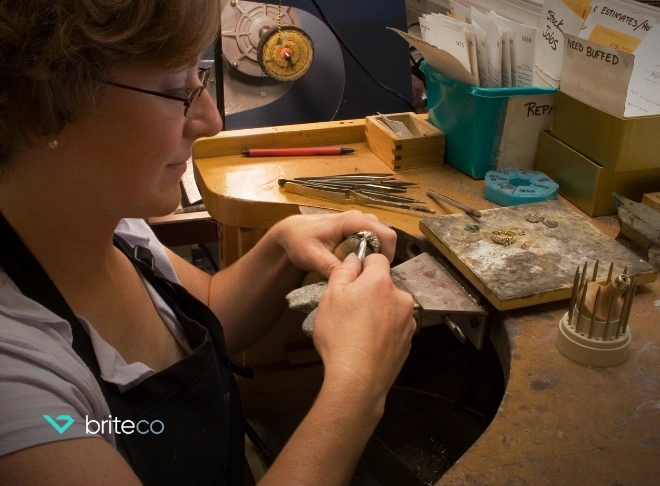
A bench jeweler is an integral part of the jewelry industry. They’re experienced in working with jewelry in a hands-on manner — whether that means designing or creating pieces from scratch or repairing and maintaining existing pieces.
So while they may not be working on the store floor, selling you an engagement ring or new luxury watch, their impact is felt in many corners of the business.
Bench jewelers work directly with jewelry pieces, handling an array of tasks that affect how a piece looks and fits. They’re the ones behind the scenes, getting their hands dirty by designing, fitting, and even making jewelry (for this reason, they’re sometimes also called manufacturing jewelers).

So what is a bench jeweler going to be able to do for you as you shop for your perfect piece or care for your growing collection in the years ahead? Here’s how their unique skills may come in handy.
What You Will Learn
A Bench Jeweler Has a Unique Role
A bench jeweler’s exact responsibilities may differ depending on where they’re employed. However,

Again, not every single bench jeweler will be able to complete or offer all these tasks, but if you’re looking to have some of the above work completed, looking for someone with this title will set you on the right path.
Is There Anything a Bench Jeweler Does Not Do?
There are a few things a bench jeweler won’t do. They might not be the one directly selling jewelry in a retail setting. Likewise, they might not be skilled in appraising jewelry or in analyzing certain metals or gemstones.
For these types of tasks, you’d look for a jewelry appraiser or gemologist. If you need one of these professionals, you can typically find them working at jewelry stores or offering services independently.
What Is a Certified Bench Jeweler & How Is It Different?
If you’re looking for a bench jeweler and come across jewelers that are certified and others that are not, you may wonder, does it matter? It depends on your comfort level.
While some jewelers may offer bench jeweler-related skills, like jewelry design or creation, they may be self-taught rather than formally certified.
In contrast, when you work with a certified bench jeweler, you’re assured that they have attended formal training and completed an examination to prove they have a range of knowledge related to common bench jeweler tasks, such as stone setting, resizing, jewelry design, and jewelry repair.

A handful of organizations offer jeweler certification, including the American Gem Society, Jewelers of America, and the Gemological Institute of America.
While certification isn’t strictly necessary for someone to become a bench jeweler (particularly if they’re self-employed), it is a marker of expertise that can give customers peace of mind before handing over a favorite piece of jewelry to a stranger.
How to Hire a Bench Jeweler
If you want to hire a bench jeweler for jewelry repair or resizing, the first place to ask is the store where you originally purchased the jewelry. Often, retailers will have a bench jeweler on staff, who resizes and repairs jewelry for customers.

However, a jewelry store’s on-staff bench jeweler may be limited in the services they can provide. For example, if you want a brand-new piece of jewelry designed and crafted uniquely for you, you may need to seek an independent contractor or a company that offers one-on-one design services.
When looking to hire any bench jeweler, ensure that they have the expertise necessary to help with your unique request. They should not only be skilled in repairing or creating jewelry, for example, but they should also be skilled in working with the exact metals and gemstones that are featured or will be featured in your piece. Different materials require much different working conditions and considerations.
Additionally, consider looking for jewelers with certain certifications, such as those provided by the American Gem Society or Jewelers of America.
What Is Working with a Bench Jeweler Like?

If you hire a bench jeweler to create a new piece of jewelry for you, this is what you can generally expect from the design process.
- Consultation: First, you’ll meet with the jeweler to discuss your vision for the new piece. You’ll likely need to describe what you’d like it to look like and what materials you prefer, such as metals, stones, etc.
- Initial Design: Whether the designer creates by hand or uses computer-aided design, they will put together some initial proofs for you to tweak or approve.
- Jewelry Creation: Once you’ve approved a final design, the jeweler will use the various tools and equipment at their disposal to create your piece.
Working with a jeweler to create a custom piece can be a rewarding process that results in a gorgeous keepsake.
Bench Jeweler FAQs
What’s the Difference Between a Bench Jeweler and Regular Jeweler?
A bench jeweler is a type of “regular jeweler” experienced in working with jewelry in a hands-on manner — whether that means designing or creating pieces from scratch or repairing and maintaining existing pieces.
Where Do You Find a Bench Jeweler?
For basic repairs and resizing, you can find a bench jeweler on the staff at most jewelry stores. For design work, you can find independent bench jewelers online as well as at industry events, such as jewelry and watch shows.
Do I Need a Bench Jeweler to Repair My Jewelry?
You could try to repair that jewelry yourself…but you definitely risk damaging your jewelry in the process. Bench jewelers possess the expertise and tools necessary to take on the unique challenges that come with repairing jewelry — not to mention the patience and hand-eye coordination needed to work with small pieces and delicate materials.
How Much Will You Pay a Bench Jeweler?
It all depends on the services that you’re paying for! You might pay under $100 for a simple ring resizing, but for more extensive services, such as ring design, you could pay thousands of dollars on top of the cost of the ring materials. This cost could be well worth it to you, though, especially for sentimental pieces like engagement rings or a one-of-a-kind piece of jewelry.
Should You Become a Bench Jeweler?
Interested in learning how to become a bench jeweler? There’s strong demand for bench jewelers within the industry, with a very positive job outlook. To build a successful career as a bench jeweler, you’ll want to pursue trade education, certification, and then seek openings for a junior bench jeweler beneath an established talent to learn the trade.
If You Need More Help, BriteCo Is Here
While a bench jeweler or master jeweler can help you with many of your queries and requests, one thing they can’t do is help protect your jewelry once it’s left the design studio or store.
This is where BriteCo comes in. BriteCo’s specialized jewelry insurance covers your jewelry under a range of circumstances.
Lost your ring on the way to the car? We’ve got you. Accidentally bumped your watch against a countertop and left a horrible scratch that no amount of buffing will relieve? We’ll get it repaired. Suddenly realizing you have no idea where that pair of antique diamond earrings went during your last move? We’ll replace them.
To learn more, get your free jewelry insurance quote now.
Related Articles:
What Is Cameo Jewelry?
What Is Meteorite Jewelry?
What Is Considered Estate Jewelry?
What Is Gender-Neutral Jewelry
The Most Expensive Jewelry Brands in the World
What Color Jewelry Should I Wear?
Get a Quote:
The Easy Way to Insure Your Jewelry - and Save Money!

UP NEXT: What are the Odds of Losing or Damaging Jewelry?

Author