What is Estate Jewelry? A Quick Guide
Your friend says they just purchased a gorgeous piece of estate jewelry. You saw an article in your favorite luxury fashion magazine that said estate jewelry was trending. You heard from someone else that estate jewelry made a good investment.
So, what does estate jewelry mean? And is estate jewelry the same as antique jewelry or vintage jewelry? Here’s everything you need to know, whether you’re just shopping for fun or an investment.
What You Will Learn
What is Considered Estate Jewelry?
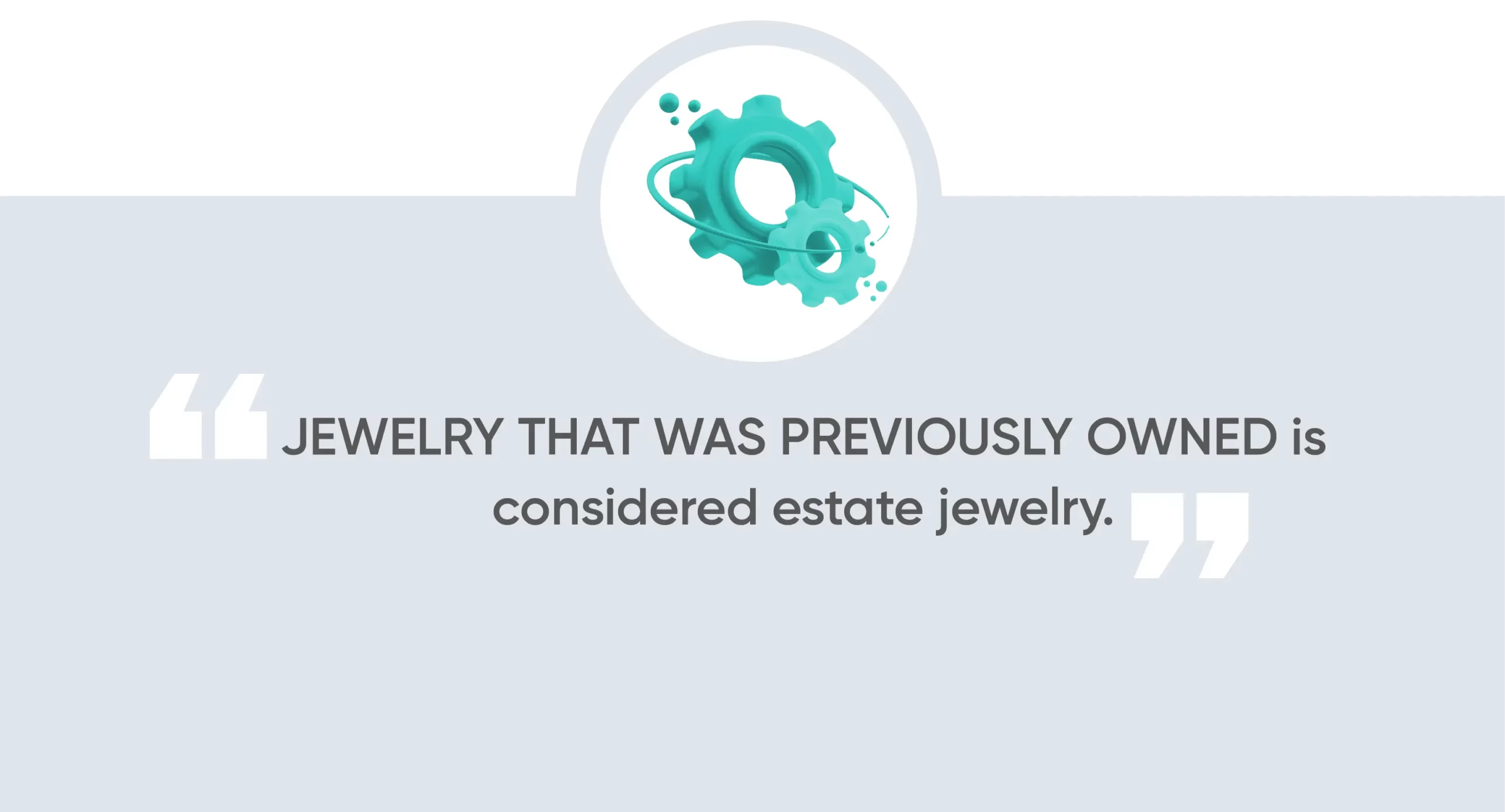
The estate jewelry definition is straightforward – jewelry that was previously owned is considered estate jewelry.
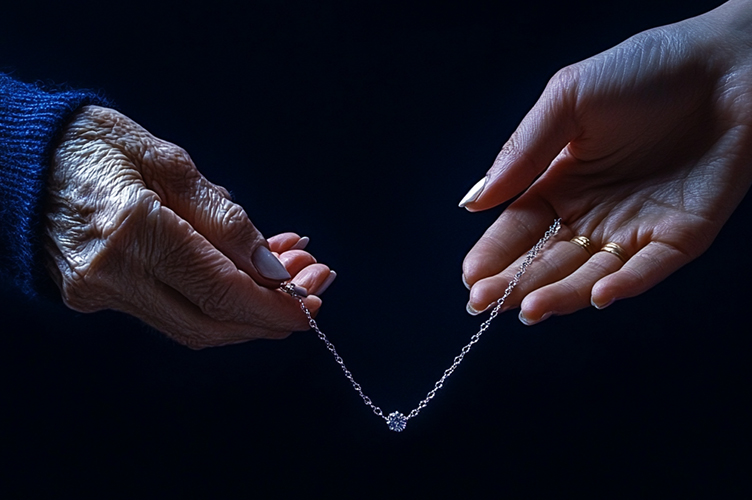
Yes, we know. You usually associate estate jewelry with estate sales following the death of the previous owner, and you typically think of that poor deceased owner as having been quite advanced in age.
However, estate jewelry meaning doesn’t require that the previous owner be deceased or that the jewelry be of a certain age. You could very well have modern pieces that are technically estate pieces.
That said, that’s not the norm. Most estate jewelry is on the older side, and often estate jewelry did at one time belong to an owner who is now deceased. Just keep in mind that these are not hard and fast rules.
Knowing all of the above, then, it’s easy to see the differences between estate, vintage, and antique jewelry. Vintage and antique jewelry have specific age requirements, whereas estate jewelry has a specific ownership requirement.
You can find many pieces of estate jewelry that are also vintage or antique. This leads us to…
What is Considered Vintage Estate Jewelry?
Pre-owned jewelry from a specific era may very well also be vintage jewelry.
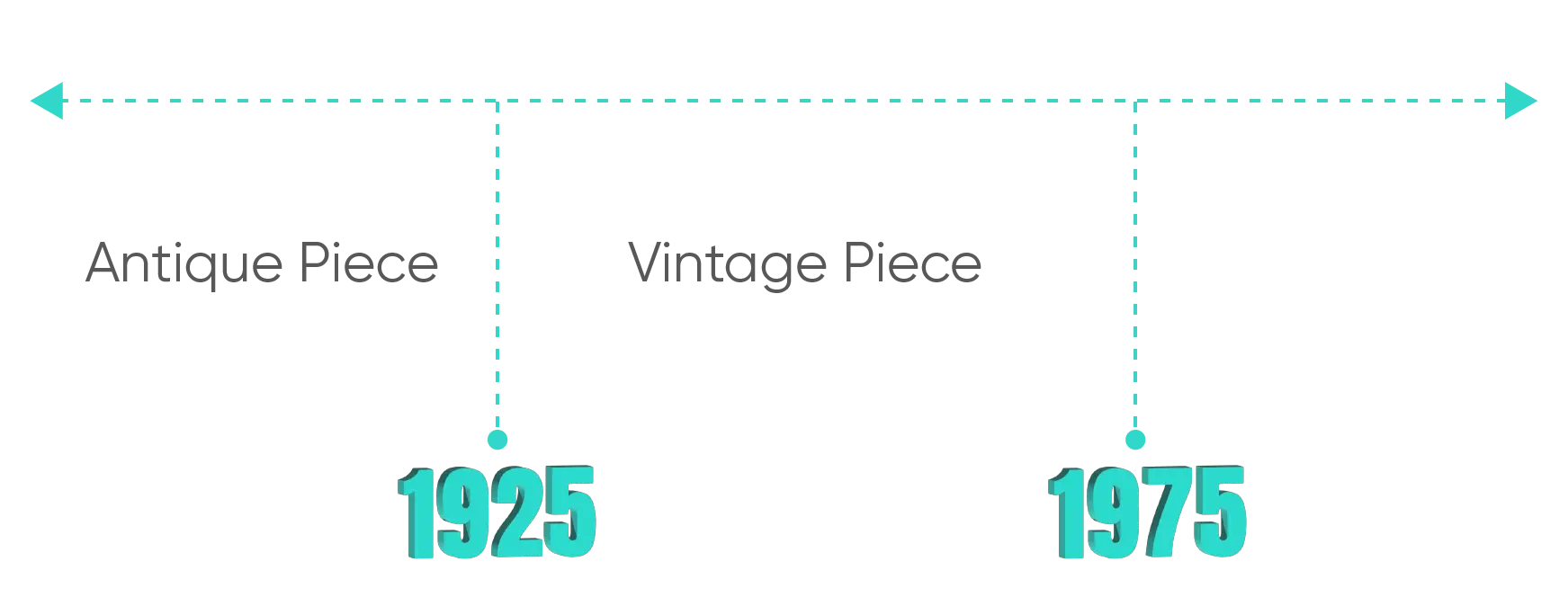
Vintage jewelry is younger than antique jewelry. Most vintage jewelry dates back about 50 to 100 years. So today’s vintage jewelry dates back as far as 1925, but not beyond, and includes jewelry produced as late as 1975.
What is Considered an Antique Piece?
In contrast, antique jewelry is any jewelry older than 100 years old, so produced before 1925. Of course, this encompasses a lot of jewelry.
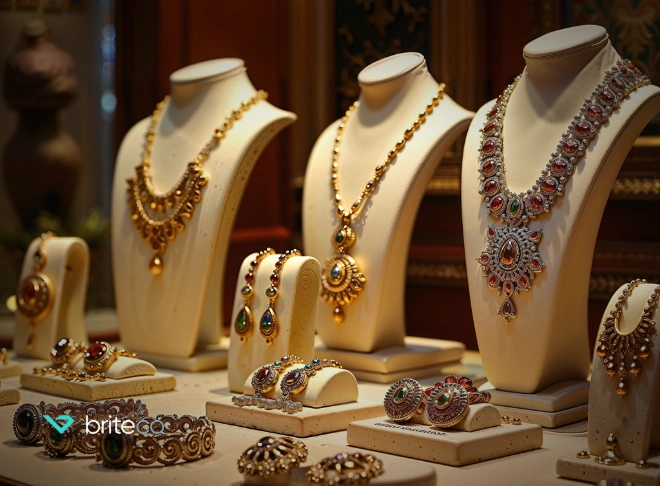
There’s jewelry from the Georgian era, or the early 1700s to early 1800s, with all its delicate designs, a large majority of which features nature-inspired designs. There’s jewelry from the Victorian era, with plenty of colored gemstones and romantic appeal. There’s the Arts and Crafts era, aka the late 1800s to early 1900s, when the jewelry industry came under threat during the industrial age. Overlapping eras included the Art Nouveau era, which lasted from the 1890s to the 1910s, and the Edwardian era, 1900 to 1915, both of which offered uniquely artistic designs. Most recently, in antique jewelry, there’s the Art Deco era. The Art Deco period lasted from the 1920s to the 1930s and featured lots of geometrical patterns and shapes.
How Do You Buy Estate Antique and Vintage Jewelry?
So, how do you go about actually buying any of this jewelry?
If you just want to purchase estate jewelry, your task will be easy. You can find previous owners’ estate jewelry at jewelry shops, antique shops, pawn shops, via private sales — just about anywhere that sells used jewelry, because that’s all that estate jewelry technically is.
On the other hand, antique and vintage estate jewelry can be a little more challenging to find, depending on what you’re looking for. Unlike antique jewelry, vintage jewelry can sometimes be found at boutiques and local shops. So, for example, if you’re just interested in some vintage cocktail rings from the 1960s and 1970s, you might find those at the occasional yard sale or thrift store. Suppose you want something from the Edwardian or Victorian eras or even the Art Deco or Art Nouveau eras. In that case, you’ll need to do some serious searching, as these pieces are scarce.
Be Careful as You Shop
It is possible to find antique and vintage pieces on websites like Etsy and eBay. However, be careful to only buy from reputable sellers and thoroughly vet a piece before purchasing it, to ensure authenticity. If you can see a piece in person ahead of purchase, that’s always best. If not, ask the seller for videos and any documentation they might have to affirm the piece’s authenticity (like documentation of an appraisal, for example).
To verify authenticity easier, consider studying a particular jewelry era. Become familiar with the hallmarks and designers of that age. Know what to expect from a piece of jewelry so you can spot inaccuracies or inconsistencies that do not align with the time period.
Suggested Read: How to Identify Vintage Jewelry?
Antique and Vintage Estate Jewelry FAQs
Why Does Antique Jewelry Cost So Much?
Beyond the exceptional quality and higher quality materials used in creating the jewelry, antique jewelry also has historic appeal and sentimental value. Additionally, as older designs have aged, pieces have become lost or irreparably broken, making the lasting pieces rare. Many prefer antique jewelry due to this rarity and the unique nature of a piece from potentially hundreds of years ago.
Should You Buy Antique Jewelry?
Antique jewelry and some vintage jewelry can be an excellent investment, so long as you’re committed to keeping the jewelry safe and ensuring it retains its value. Beyond investment value, though, antique jewelry can simply be fun and, if it aligns with your personal style, there’s no reason you shouldn’t seek out those historic pieces for your collection.
What is an Estate Ring?
An estate ring is a previously owned ring. It does not need to meet any specific age criteria, and the previous owner does not have to be deceased.
What is an Estate Jewelry Sale?
An estate jewelry sale is a sale or auction of an individual or family’s jewelry assets. The owner does not have to be deceased for an estate sale to occur.
When Buying Estate Jewelry, What is Most Important?
When buying jewelry, it’s most important to verify that you are purchasing an authentic piece that is worth the price the seller is offering. If purchasing a higher-priced item, it’s always a good idea to get as much documentation as possible to verify the piece’s authenticity.
Protect Your Favorite Jewelry with Specialized Jewelry Insurance
Just like you might have jewelry insurance for your engagement ring or luxury watch collection, you also need insurance for your heirloom, antique, and vintage jewelry. Luckily, while it’s not always easy to find your perfect antique or vintage piece, finding the perfect insurance policy to protect those pieces is.
Get an online jewelry appraisal right now, and then purchase your BriteCo jewelry insurance policy today. It’s easy, fast, and affordable.
Related Articles:
Is Stainless Steel Jewelry Good?
How Much Does Custom Jewelry Cost?
Serpentine Jewelry | BriteCo Jewelry Insurance
Interpreting Antique Symbols Stamped on Jewelry
What is Magnetic Jewelry?
What is the Only Allowed Jewelry When Preparing Food?
What is Citrine, and What is Citrine Good For?
What Is Malachite? A Look at the Stone’s Power and Beauty
What Is a Moldavite Stone?
Appraisal Tool:
The Easiest Way to Get a Professional Jewelry Appraisal Valuation!
UP NEXT: What are the Odds of Losing or Damaging Jewelry?

Author