What Is Malachite?
Malachite is a striking green stone recognizable for its vibrant color, unique swirling patterns, and striking bands that almost mimic the look of marble. It’s a prized gem often featured in necklaces, rings, bracelets, and crystals, with many people over history believing in its protective qualities and possible healing properties. From ancient Egyptians to members of the royal Russian family, malachite jewelry has a rich and long history as a prized possession. It not only looks stunning but has been used for centuries to make amulets, lavish homewares, and a traditional green pigment.
If you’ve ever wondered what is malachite good for or were curious about the malachite stone meaning, we provide a handy guide that explores all facets of this alluring beauty. Its origin is quite fascinating, including the multiple places to find it across the globe and how it’s formed through incredible natural processes. We also look into the role the natural mineral plays in spiritual growth, including the significance of malachite crystals and their possible connection to emotional healing. Finally, we delve into how to best care for malachite jewelry and how to tell if your piece features a genuine stone or if it could be a fake reproduction.
There’s a reason this beloved mineral is often referred to as the “stone of transformation,” as it wields so much power and has endured over time as a classic treasure.
What You Will Learn
Understanding Unique Malachite Properties
So, what is malachite stone? At the core, it’s a natural mineral belonging to the carbonate group and forms a secondary mineral in the oxidized zones of copper deposits. The reason it’s such a vibrant shade of the color green has to do with its high copper ore content. When copper ore undergoes a chemical reaction with carbon dioxide and water, the result produces a captivating malachite stone.
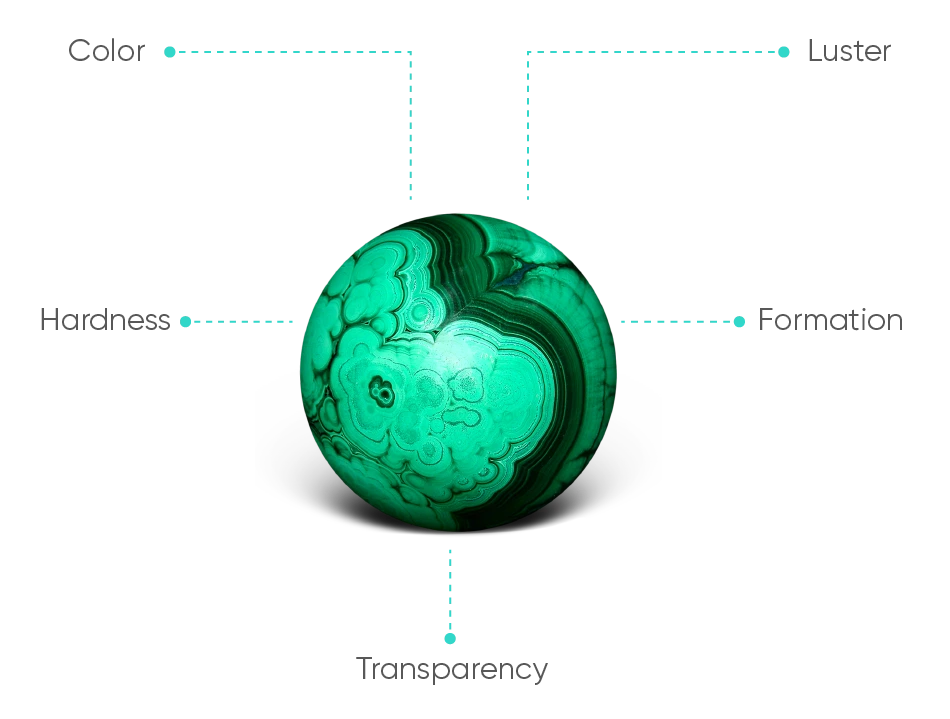
5 Key Characteristics of Malachite:
- Color: A vivid mallow green stone, malachite is named for its resemblance to the emerald leaves of the mallow plant. It often has dark green and pale green
- Luster: Silky to glassy and dull, depending on the quality of the cut.
- Hardness: 5–4 on the Mohs scale, which means malachite can be sensitive but also durable if handled well.
- Transparency: Opaque, with no light reflecting through the surface.
- Formation: Typically found in areas with copper deposits.
Another important point is that the mesmerizing patterns often found in malachite stone jewelry are a result of varying environmental conditions during its formation. Every band and swirl tells a geological story, making malachite jewelry not just beautiful but deeply meaningful.
A Brief History of Malachite
The history of the malachite stone stretches back thousands of years. The ancient Egyptians were among the first to mine and use it for decorative purposes such as cosmetics, jewelry, and amulets. They believed it had protective qualities and the healing power to ward off evil spirits.
In ancient times, grinding malachite crystals turned them into a fine green pigment used in art and even temple decorations. The Greeks and Romans also cherished malachite jewelry and believed the green stone could act as a protective talisman.
In Russia, malachite found its way into grand architectural projects. The famous Malachite Room in the Winter Palace in St. Petersburg remains one of the most extravagant examples of the stone’s luxurious appeal. Empress Alexandra Fyodorovna used it as a gathering place, inviting dignitaries into the regal room with grand columns and other accents featuring bright green malachite.
The name “malachite” is derived from the Greek word malakos, meaning “soft,” referring to its relative softness compared to other gemstones.
How Is Malachite Formed?
The formation of malachite crystals is nothing short of a geological marvel. They develop as a secondary mineral in the oxidized zones of naturally occurring copper deposits. Over time, the metal reacts with water and carbon dioxide to form this vibrant green stone.
The intricate banding in malachite stone jewelry occurs because of variations in the water flow, copper concentration, and chemical reactions during its formation. Think of it as nature’s way of painting with vibrant shades of dark green and pale green.
Where Is Malachite Found?
Due to these chemical reactions, it would make sense that the richest sources of malachite are regions with abundant copper deposits. But, these regions also tend to have specific geological conditions that allow for the creation of this unique green stone.
Major Sources of Malachite:
- Democratic Republic of Congo: Known for some of the world’s most vibrant and richly colored malachite crystals, the Congo remains the largest producer of the stone and supplies the gemstone market with high-quality specimens.
- Russia: Historically significant for its connection to the iconic Malachite Room in the Winter Palace, Russia continues to yield exquisite malachite stone jewelry
- Australia: The continent is known for its well-formed malachite crystals, not only because of large sources of copper ore but also because of a plentiful water supply.
- Arizona, USA: Home to some of the most visually striking malachite in the United States, often used for decorative purposes and fine jewelry.
- Namibia: Known for producing large, collector-quality specimens with stunning malachite properties.
Rarity and Commercial Use
While malachite found in natural formations is common, high-quality specimens suitable for malachite jewelry are relatively rare. This scarcity adds to the mineral’s value and desirability in the gemstone market. Its unique aesthetic and protective qualities also make malachite a sought-after treasure.
Malachite Healing Properties
Malachite’s purported healing properties have added to its value for centuries. Known as the “stone of transformation,” some believe wearing malachite supports emotional balance, promotes spiritual growth, and acts as a shield against negative energies. Its connection to the heart chakra also is said to enhance emotional healing, fostering love, compassion, and forgiveness. Many believe that among the many malachite benefits, the stone can offer positive change in the physical, emotional, and spiritual realms.
Possible physical benefits:
- Supports the immune system
- Regulates menstrual disorders and hormonal imbalances
- Rids toxins by detoxifying the liver
- Reduces inflammation and alleviates joint pain
Possible emotional benefits:
- Breaks negative patterns and fosters positive change
- Encourages good risk taking and promotes confidence
- Supports recovery from emotional trauma
- Activates the heart chakra and throat chakra, which helps express emotions
Possible spiritual benefits:
- Helps enhance intuition and psychic vision
- Shields against electromagnetic pollution
- Encourages a deep connection to higher consciousness
Whether you’re placing malachite on your body, using it in meditation, or wearing malachite jewelry, its protective qualities and healing power could make it an invaluable companion on your spiritual journey.
How to Care for and Cleanse Malachite
Caring for malachite jewelry requires gentle handling, as this natural mineral is relatively soft and sensitive, particularly to heat, acids, and moisture. Here are four key points to keep in mind:
- Carefully cleanse malachite: Use a soft, damp cloth to gently wipe your malachite stone. Many also believe in cleansing and resetting its energy properties, and do so with clear quartz or smudging techniques.
- Avoid prolonged sunlight: Excessive sun exposure can fade the rich green color.
- Find safe storage: Store in a padded jewelry box to prevent scratches.
Regular care ensures your malachite stone remains vibrant and energetically powerful for years.
Malachite Stone FAQs
What Are Some Malachite Benefits?
Malachite is known as the “stone of transformation” and is not only stunning but also highly valued for its purported healing properties. It may support emotional balance, promote spiritual growth, and protect against negative energies.
What color Is Malachite?
Malachite is prized for its rich green color; in fact, the plant is named for the emerald leaves of a mallow. However, due to its unique marbling and banding, the stone can be varying shades of green.
How Do You Cleanse Malachite?
To cleanse malachite, gently wipe the stone with a soft, damp cloth and avoid using harsh chemicals. You can cleanse it energetically by placing malachite near clear quartz or smudging it with sage.
What Are the Healing Properties Of Malachite?
Malachite healing attributes may include physical, emotional, and spiritual benefits. It’s thought to support the immune system, alleviate menstrual disorders, and promote emotional healing through the heart chakra.
Where Is Malachite Found?
Malachite is abundant in regions with copper deposits, such as the Democratic Republic of Congo, Russia, Namibia, Australia, and Arizona in the United States. These areas provide ideal geological conditions for the formation of malachite crystals.
Malachite Crystals Are Valuable Jewelry
Not only is rich, green malachite a luxurious decorative stone, but it may also inspire your spiritual journey and help you feel a deep connection to the world around you.
Jewelry insurance isn’t just for diamond engagement rings or luxury watches. Did you know that you can also insure stunning gemstones like malachite? Protect your cherished malachite jewelry and ensure its beauty lasts for a lifetime with the proper coverage.
You can easily get an online appraisal and protect the full value of your jewelry with a BriteCo insurance policy. Discover how simple it is to safeguard your precious pieces with a quick, hassle-free, and affordable quote today.
Related Articles:
What is Zircon?
What is a Bench Jeweler?
What Is Inlay in Jewelry?
What is Tourmaline? A Quick Guide to the Popular Gem
What Is a Chalcedony Stone?
What is Morganite?
What Is a Moldavite Stone?
Appraisal Tool:
The Easiest Way to Get a Professional Jewelry Appraisal Valuation!

UP NEXT: What are the Odds of Losing or Damaging Jewelry?

Author