Wearing jewelry was a widespread practice throughout Ancient Egypt, which was quite a long time, as ancient Egyptian history stretches over 3,000 years. It encompasses various periods, including the Predynastic, Early Dynastic, the Old Kingdom, the Middle Kingdom, the New Kingdom, and, eventually, the Roman period.
As with ancient Greek jewelry, ancient Egyptian jewelry held both social and religious significance. Individuals of all economic statuses, as well as both genders, wore jewelry.
Intrigued by ancient Egypt and Egyptian culture, and want to learn more? Keep reading for a quick and condensed guide to jewelry from ancient Egypt, including what was worn, what it was made from, and the interesting significance of these pieces.
What You Will Learn
- What Type of Jewelry Did Ancient Egyptians Wear?
- What Was Ancient Egyptian Jewelry Made of?
- The Purpose of Ancient Egyptian Jewelry
- How Was Ancient Egyptian Jewelry Made?
- Where Can You See Ancient Egyptian Jewelry Today?
- What About Egyptian Revival Jewelry?
- Ancient Egyptian Jewelry FAQs
- Protect Your Jewelry in Modern Times with BriteCo
What Type of Jewelry Did Ancient Egyptians Wear?
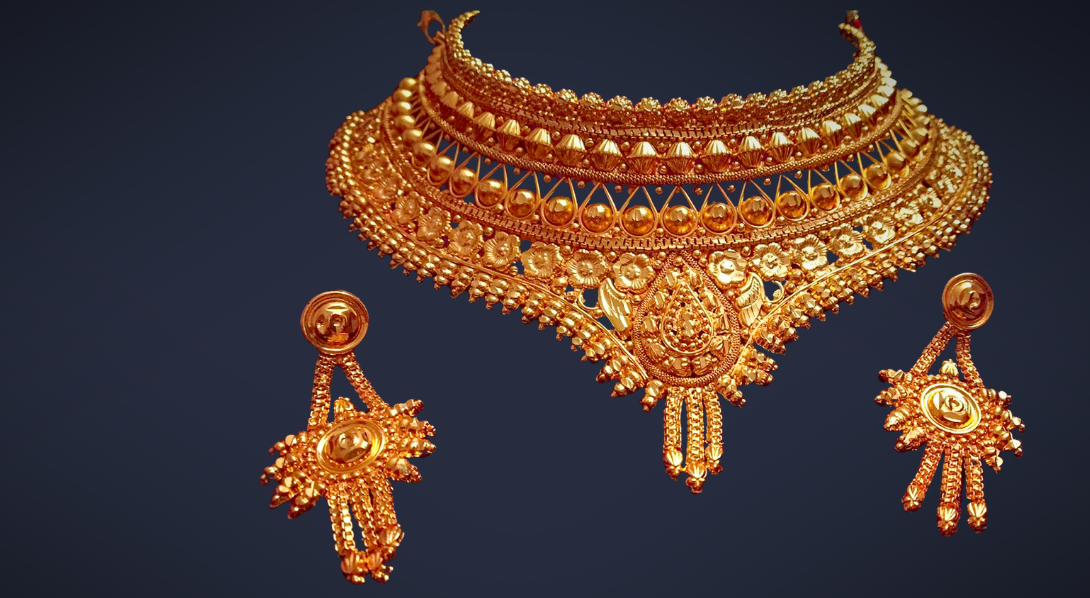
 Just about anywhere that personal adornment was possible, Egyptians likely made a piece of jewelry for it.
What Was Ancient Egyptian Jewelry Made of?
Ancient jewelry featured many of the same precious metals, precious stones, and semi-precious stones that we still use today.
Some of the specific materials used in ancient Egyptian jewelry include:
- Turquoise
- Lapis lazuli
- Shells
- Glass
- Amethyst
- Gold
- Clay
- Stones
- Teeth
- Bone
- Copper
- Wood
- Enamel
- Marble
Like modern jewelry, various materials may have cost more and, therefore, were relegated to only royal ancient Egyptian jewelry rather than being available to the masses. Additionally, various types of jewelry and jewelry materials went in and out of vogue over the multiple thousands of years that make up ancient Egyptian culture. As such, styles differed depending on the wearer and the exact time period.
The Purpose of Ancient Egyptian Jewelry
Many pieces of ancient Egyptian jewelry served a particular purpose or held special meaning.
Amulets
As part of religious beliefs, ancient Egyptians largely believed that amulets held magical powers that could provide good luck, protection, etc. Beyond wearing them throughout life, the ancient Egyptians would also incorporate amulets into their burial processes. For example, a heart scarab was an amulet placed near the deceased’s heart since scarab beetles were very popular among Egyptian motifs and represented rebirth. When the deceased entered the afterlife, and their heart was weighed, determining their final destination, the scarab amulet was believed to protect the deceased’s own soul from ratting them out during judgment.
Military Recognition
In some cases, particular pieces of jewelry were also given to members of the Egyptian military. For example, golden fly pendants were once distributed as a mark of honor.
Cartouches
An oval piece of jewelry (such as on a ring or a broach) could contain hieroglyphics referencing a deceased individual. The idea was that if the deceased’s name was written down somewhere or engraved into a piece of precious metal for wearing, the person was never truly dead. These cartouches were worn by pharaohs, with their own names written inside the oval, for protection in the afterlife.
Iconography
Many ancient Egyptians also wore jewelry depicting a god or goddess as part of their religious practices. Popular options included Isis, Horus, Set, and Ra. Certain symbols might be used to indirectly reference a god or goddess, such as lotus flowers for Ra or the djed pillar for Osiris, seen in djed pillar amulets.
How Was Ancient Egyptian Jewelry Made?
Ancient Egyptian jewelry can be quite intricate and elaborate. So, how were ancient cultures making such detailed jewelry thousands of years ago?
Rudimentary processes could be used in some instances, such as crafting beads from clay or carving wooden beads. Precious metals like gold could also be hammered into a desired shape.
More advanced techniques became popular as well, such as gold granulation. Like milgrain, the granulation technique requires fusing small grains of gold (or another metal) onto a greater piece of precious metal to form designs.
Where Can You See Ancient Egyptian Jewelry Today?
Three of the best places to visit to see extensive Ancient Egyptian jewelry collections include the Metropolitan Museum of Art in New York City, the British Museum in London, and the Egyptian Museum in Cairo.
- The Metropolitan Museum of Art: The Met’s Egyptian wing offers a massive number of Egyptian artifacts. The collection includes a great deal of jewelry, which you can browse in person or view in the museum’s online database. The collection includes many items from before the common era, including earrings, bracelets, amulets, and more.
- The British Museum: While The British Museum’s online collection is not as robust as the Metropolitan Museum of Art (or as easily navigable), you can still find some interesting objects within the Egyptian collection if you’re willing to do a little online digging. You can even see what restoration work may’ve been performed on the object and trace its origins.
- The Egyptian Museum: Of course, the best place to see ancient Egyptian art is right at the source. The Egyptian Museum in Cairo is the oldest archaeological museum in the Middle East and has the largest collection of Pharaonic antiquities in the world. It’s home to more than 170,000 artifacts dating back to 5,500 BCE.
What About Egyptian Revival Jewelry?
Egyptian Revival jewelry was a trend in the 1800s when much of the Western world was fascinated with Ancient Egyptian culture. This trend continued throughout the early 1900s before falling out of vogue and regaining popularity in the 1970s.
Essentially, Egyptian Revival jewelry is any relatively modern design that mimics the motifs, materials, and/or manufacturing processes that would have been used in Ancient Egypt. However, in some cases, these pieces take a more literal approach with Egyptian inspiration and may feature pharaohs, sphinxes, hieroglyphics, and more, but without any attempt to be historically accurate.
Today, antique and vintage Egyptian Revival jewelry is sold at popular auction houses such as Sotheby’s.
Ancient Egyptian Jewelry FAQs
What Were Some of the Most Popular Jewelry Materials in Ancient Egypt?
Gold was a very popular precious metal in Ancient Egypt, and popular semi-precious stones included lapis lazuli and turquoise. However, the broader population didn’t have access to these fine materials, even though they still made and wore jewelry. The ordinary person was likelier to wear pieces made from wood, animal bone, clay, or stone.
What Kind of Jewelry Did Ancient Egyptians Wear?
Ancient Egyptians wore a broad array of jewelry, including rings, earrings, bracelets, necklaces, and a few types of jewelry that might not be as popular today, such as amulets.
What Did Jewelry Symbolize in Ancient Egypt?
Ancient Egyptian jewelry was full of symbolism. It could be connected to religious beliefs or superstitions or represent one’s social status.
Which Egyptian Gods Were Associated with Jewelry?
While ancient Egyptians depicted a range of gods and goddesses in many designs, there was no one specific god of jewelry. Instead, several gods were connected with various elements of jewelry and jewelry making. For example, Ra, the sun god, was associated with gold, and Ptah was the god of metal-working.
What Did Ancient Egyptians Believe About Jewelry?
Depending on the specific piece of jewelry, ancient Egyptians believed it could protect the wearer, both while living or while dead, or provide good luck and fortune.
Protect Your Jewelry in Modern Times with BriteCo
You don’t need to own a collection of ancient artifacts to invest in jewelry insurance. Modern times call for modern options like BriteCo, which offers easy online quotes in minutes as well as protection against theft, damage, and loss.
Get your jewelry insurance quote today.
Related Articles:
What to Look for in the Best Travel Jewelry Case
Jewelry Stamps and What They Mean
How Much Is Opal Worth?
How Much Does Custom Jewelry Cost
What Color Jewelry Should I Wear?
Appraisal Tool:
The Easiest Way to Get a Professional Jewelry Appraisal Valuation!
UP NEXT: What are the Odds of Losing or Damaging Jewelry?

Author