What is Morganite? A Quick Guide
While diamonds have long been the favorite for an engagement ring or a feature in any other historic milestone piece, other gemstones are beginning to find their popularity, not just among jewelry enthusiasts but also among the general population. As jewelry shoppers look for diamond alternatives, the jewelry industry offers new and exciting options, like morganite.
But what is morganite? If you’re unfamiliar with this pale pink gemstone, here’s everything you need to know.
What You Will Learn
- What is a Morganite Stone?
- What is Morganite Gemstone History?
- The Meaning of Morganite Gemstone
- What is Morganite Good For? Pros and Cons
- What to Look for When Shopping for a Morganite Engagement Ring or Other Morganite Jewelry
- How to Care for and Store Morganite
- What is Morganite? - FAQS
- Protect Your Morganite Jewelry with Comprehensive Jewelry Insurance
What is a Morganite Stone?

Let’s start with the basics first: What is morganite stone?
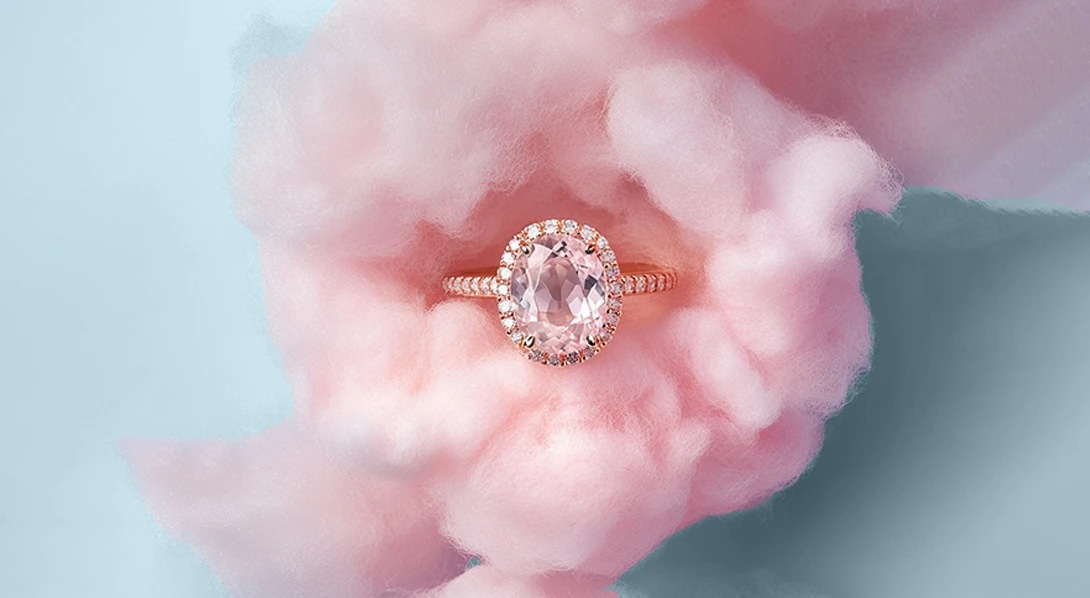
Morganite is a semi-precious gemstone. It’s a part of the beryl family. This pink beryl contrasts significantly with other members of the beryl family, such as emeralds or aquamarine.
Sometimes, morganite goes by other names, including pink emerald, pink beryl, or rose beryl.
Morganite stones feature a gorgeous light pink to peach hue, with the pink and orange hue derived from the stones’ manganese content. Faceted morganite is known for its vitreous luster or glassy shine.
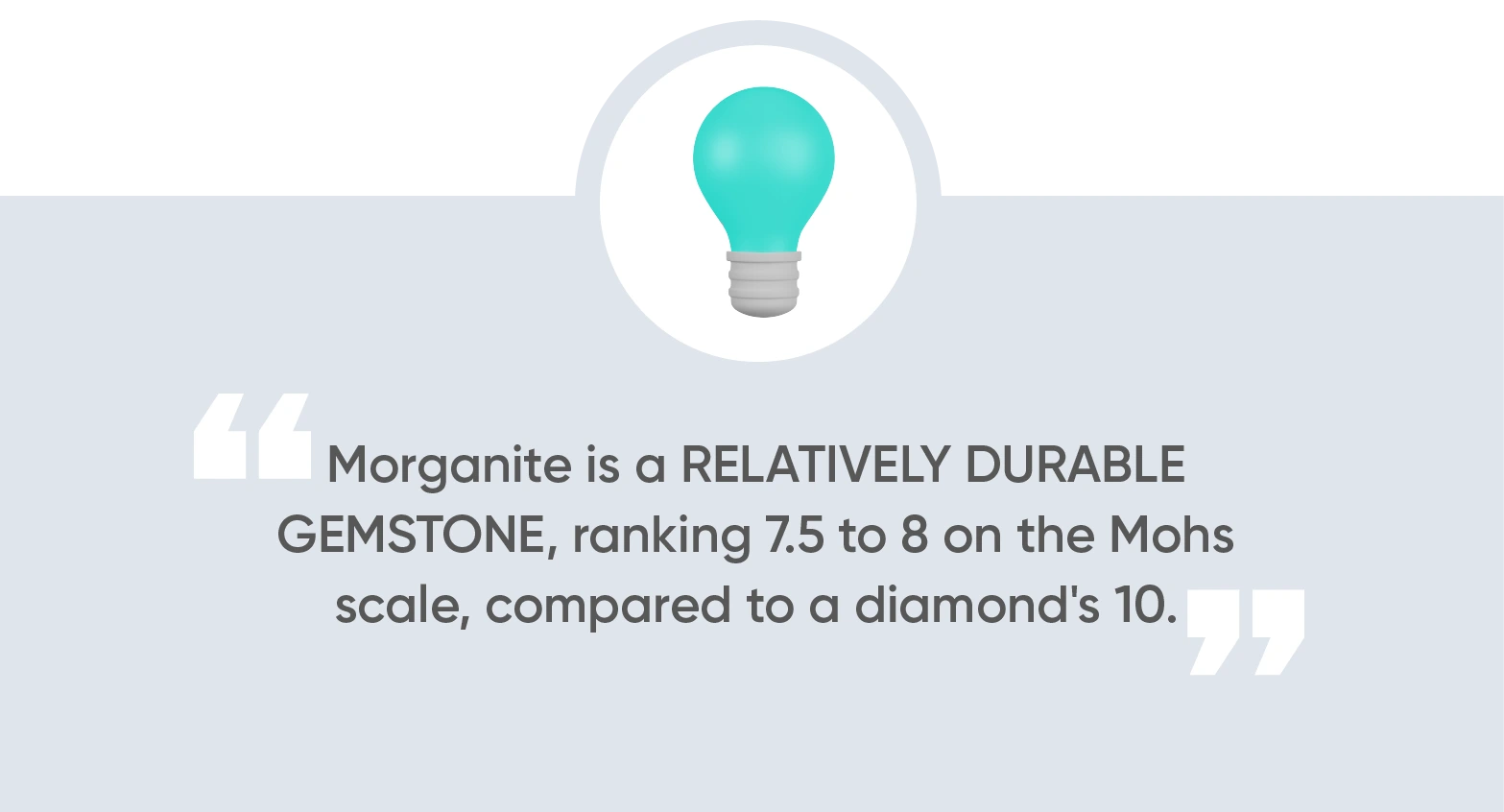
Morganite is a relatively durable gemstone, ranking 7.5 to 8 on the Mohs scale, compared to a diamond’s 10.
What is Morganite Gemstone History?
Morganite is a relatively young gemstone. Morganite, a pink variety in the beryl family, came onto the stage in 1910 in Madagascar. From there, the New York Academy of Sciences named this beryl variety “morganite.” The gemstone takes its name from J.P. Morgan, a nod the Academy made in recognition of Morgan’s support for the arts and sciences and his love of gem collecting.
Today, the jewelry industry mines and acquires morganite primarily in Brazil, the United States, the Middle East, and Africa.
The largest untreated morganite uncovered to date is The Rose of Maine, discovered in—you guessed it—Maine in 1989. At its discovery, it weighed more than 50 pounds.
The Meaning of Morganite Gemstone
What does morganite symbolize? As with many other gemstones, morganite assumes numerous meanings. According to Crystal Digest, it can convey creativity and gentleness. The gemstone morganite meaning also connects to the heart chakra and is sometimes called the stone of divine love.
Those who believe in the deeper meaning of morganite stone may use it for its supposed healing properties, including its benefits related to weight loss, anxiety, stress, and the circulatory and respiratory systems. Some also believe that the morganite meaning of stone can inspire true love, kindness, positive relationships, and a sense of calm.
What is Morganite Good For? Pros and Cons
Due to its durability, morganite makes an excellent option for jewelry that sees a little bit more wear and tear, such as rings, pendants, and the like. However, it’s still not the most durable gemstone in the world, so it will require proper care.
Additionally, given its light, feminine color, morganite has become a favorite for engagement rings or any jewelry that requires a romantic aesthetic.
So, what are the pros and cons to consider when shopping for morganite jewelry? Here are a few to consider.
Morganite Pros
- More affordable than diamonds
- Unique color with a light, romantic aesthetic
- Relatively durable
- Known for few inclusions and vitreous luster
Morganite Cons
- Not as durable as diamonds
- Will require extra maintenance and care
- Not as good an investment piece as diamonds
What to Look for When Shopping for a Morganite Engagement Ring or Other Morganite Jewelry
If you decide that a piece of morganite jewelry is the perfect addition to your jewelry collection, here’s what you need to consider.
Color
As mentioned, morganite comes in pink-orange hues that vary vibrancy. While darker tones of pink are more highly prized, naturally darker morganites can be challenging to find. As such, morganite gemstones are sometimes heat-treated to increase the depth of color.
Clarity
Morganite gemstones often boast a high level of clarity, with no inclusions visible to the naked eye.
Cut
Some stones require specific cuts to show off their vibrance or reflective properties. However, morganite is pretty versatile, so you can likely find one with your preferred cut.
Carat Weight and Size
Lastly, carat weight refers to a gemstone’s size. If having a larger stone is important to you, you may prefer morganite to diamond, as a much larger morganite gemstone can be purchased for the same or much less.
Suggested Read: A Complete Guide to Gemstone Certification
How to Care for and Store Morganite
While morganite is a relatively hard and durable stone, it’s not indestructible. As such, you need to take care to store your morganite rings, earrings, pendants, and other morganite jewelry properly, and give your morganite pieces proper care and maintenance.
Store morganite jewelry separately from other pieces in your collection, preferably in a soft-lined pouch or box. This will ensure that other jewelry does not scratch the stones. Whether you use a jewelry box or other jewelry storage solution, ensure your morganite rings are safely stored away from any extreme temperatures.
When wearing your morganite jewelry, avoid exposing them to harsh chemicals and milder substances like cosmetics. This means not wearing your morganite jewelry in the shower or the pool and only putting it on after you’ve put on any cosmetics such as hair products, perfumes, or lotions for the day. You should also remove your morganite jewelry before participating in activities that could expose the jewelry to dirt, grime, chemicals, or even bumps or scratches, such as cleaning, working in the garden, or hiking.
When cleaning your morganite jewelry, use a soft cloth, warm water, and a few drops of mild dish soap. Rub your jewelry with the mixture, then rinse it thoroughly and dry it with a soft cloth for jewelry.
What is Morganite? - FAQS
What is Morganite?
Morganite is a semi-precious gemstone in the beryl family. (Other gemstones in the beryl family include aquamarine and emeralds). Sometimes, morganite is also known by other names, including pink emerald, pink beryl, and rose beryl.
Where is Morganite Found?
Morganite was discovered in Madagascar in 1910. Today, morganite is found in Africa, the United States, the Middle East, Africa, and Brazil.
Should You Buy a Morganite Engagement Ring?
Morganite is a popular alternative to a diamond for an engagement ring, as the gemstone’s pink hue is romantic and feminine. However, morganite is not as durable as diamond, is susceptible to color fading, and will not hold its value over time like diamond.
Is Morganite Expensive?
Morganite is undoubtedly less expensive than diamond. A one-carat morganite gemstone will only cost a few hundred dollars compared to the thousands of dollars you’ll pay for a one-carat diamond.
What Color is Morganite?
Morganite has a pink hue, which can range from pale pink to deeper pink. Sometimes, it also shows shades of orange or purple.
Protect Your Morganite Jewelry with Comprehensive Jewelry Insurance
Jewelry insurance isn’t just for diamond engagement rings or luxury watches. Did you know that even the up-and-coming and growing-in-popularity gemstones like morganite can also be insured?
Get an online jewelry appraisal for your pieces and protect their full worth with a BriteCo insurance policy. Here’s what you need to know about insuring your jewelry and getting a fast, easy, affordable quote today.
Related Articles
What is Ammolite? A Quick Guide to Ammolite Gemstones
What is Insurance? An Intro to the Basic Types of Insurance
What is Citrine, and What is Citrine Good For?
What is Zircon? | BriteCo Jewelry Insurance
What Is Malachite? A Look at the Stone’s Power and Beauty
A Quick Guide to Gem Inclusions
What Is Milgrain in Jewelry Design?
What Is Spinel? A Quick Guide to the Gemstone
Get a Quote:
The Easy Way to Insure Your Jewelry - and Save Money!
UP NEXT: What are the Odds of Losing or Damaging Jewelry?

Author