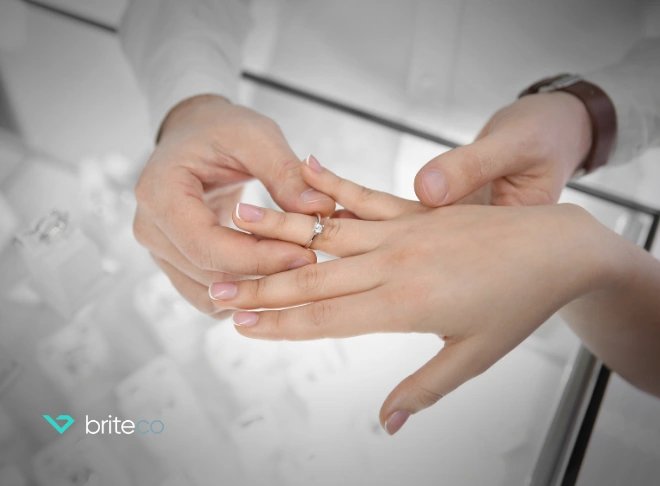
You may be familiar with certain elements of jewelry design, such as the various types of ring settings and ring parts, as well as what terms like “pave” and “halo” mean — but do you know what milgrain is? Here’s everything you need to know about this unique design element.
What You Will Learn
- More about Milgrain Designs
- How Is Milgrain Used to Create Unique Designs?
- How Old Is This Jewelry Technique?
- How Does a Jewelry Maker Add Milgrain to a Piece?
- Milgrain Vs. Other Design Techniques
- Should You Buy a Milgrain Engagement Ring?
- Milgrain Jewelry FAQs
- Protect Your Favorite Rings with Jewelry Insurance
More about Milgrain Designs
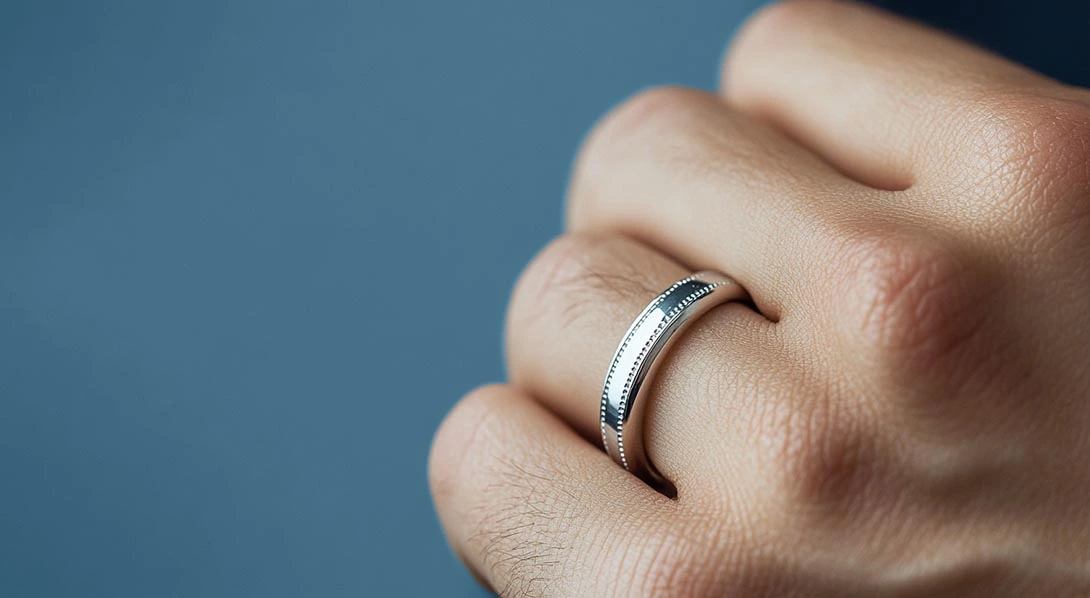
A very subtle detail, milgrain is a jewelry design element that appears along the edges of a piece as tiny metal beads. Often seen in fine jewelry and antique and vintage jewelry rather than contemporary designs, this textured border provides visual interest and a touch of antique elegance.
The word milgrain translates to a thousand grains, which makes sense when you look at the tiny dots of milgrain that provide a much bigger impact than you might expect.
How Is Milgrain Used to Create Unique Designs?
Today, milgrain is most often found on engagement rings and wedding bands. This small detail adds antique elegance and a romantic vintage feel to these special pieces of jewelry.
Milgrain is not all the same and varies from ring to ring. Size, quantity, and placement can differ depending on the design.
How Old Is This Jewelry Technique?
While milgrain may be associated with the Art Deco era, it’s actually a much older decorative technique.
Milgrain dates back to ancient times when it was used in Southeast Asia to adorn earrings and rings. Later, milgrain appeared on jewelry in the Edwardian era, from 1901 to 1914, that prioritized very elegant design choices. However, the Art Deco era from 1919 to 1939 introduced milgrain to the masses, and thus, it’s the period most associated with milgrain.
How Does a Jewelry Maker Add Milgrain to a Piece?
So, how is milgrain created? Crafters use several methods, typically handcrafting, knurling, and molding, to create milgrain.
 1. Handcrafting
In the first of these three decorative techniques, a craftsman creates all the tiny beads by hand and then solders them individually to the ring or other piece of jewelry.
2. Knurling
Another method is to use a knurling tool. A somewhat more efficient method, a knurling tool essentially presses the milgrain pattern into the jewelry’s metal.
3. Molding
Lastly, the jewelry maker can use a mold to create a piece of jewelry that features milgrain.
Milgrain Vs. Other Design Techniques
There are a couple of other design techniques commonly used for engagement rings and wedding bands that may be confused with milgrain or that you may want to consider as an alternative.
- Filigree: Filigree is a similarly delicate and romantic style. It consists of fine, twisted metalwork that can differ in style and design. In contrast, milgrain always has the appearance of tiny beads.
- Beading: Don’t make the mistake of calling milgrain “beading.” While milgrain may appear like beads, it’s a very specific technique. Beading, however, refers to adding beads to jewelry using various techniques and materials.
Should You Buy a Milgrain Engagement Ring?
If you’re considering buying a milgrain engagement ring, it might help to know that there are reasons to opt for this stylistic detail and perfectly valid reasons to avoid it.
As mentioned, milgrain makes a ring design really stand out. It will add texture and visual interest to what otherwise might be a plain band. Additionally, unless you’ve designed a custom ring from scratch with a professional, buying an engagement ring from a jewelry store with milgrain won’t be any more expensive. Engagement ring price is based more on factors like the quality of the stone.
However, it’s worth noting that the more complex the ring design, the more difficult it can be to keep clean, as all those little nooks and crannies around the milgrain beading can hide debris and grime. As such, more care may be needed to maintain the look of your ring, or else it may appear duller sooner.
Additionally, milgrain details are susceptible to the same damage that the entire ring is since they’re crafted from whatever metal the ring band is made from, whether that be white gold, platinum, yellow gold, rose gold, etc.
So, consider if you or your fiancé-to-be’s style and lifestyle align well with this design element. If the answer is “yes,” you may find that a milgrain engagement ring is the perfect piece.
Milgrain Jewelry FAQs
What Is Milgrain Beading in Jewelry?
Milgrain is a type of jewelry technique that involves adding small metal beads to the edges of a piece of jewelry, such as a ring, to create a cohesive border.
What Is Milgrain on a Ring?
Milgrain on rings and wedding bands is a small border of tiny dots made of metal that stretches around the ring’s exterior.
Should You Get a Ring with Milgrain?
There are many reasons to get a ring with milgrain. This design element can add a romantic appeal and vintage touch to an otherwise plain diamond engagement ring. However, note that this look isn’t for everyone, and rings featuring milgrain must be cleaned often to remove any dirt in the nooks and crannies and maintain their shine.
When Was Milgrain Popular?
While milgrain has existed for centuries, it was most popular in the Art Deco period, when this jewelry technique became more widely available and affordable.
Does Milgrain Impact the Price of a Ring?
Buying a ring that features milgrain typically will not increase the cost to any noticeable degree. Particularly with engagement rings, the price depends more on the diamond, including its size and quality, rather than the ring design and other elements.
To avoid sizing issues, use a free online ring size calculator to quickly confirm your ring size before making a purchase.
Protect Your Favorite Rings with Jewelry Insurance
Now that you know what is milgrain in jewelry, you can shop for your next piece more confidently.
Whether you’re shopping for an engagement ring, a statement ring, or anything in between, be sure your precious pieces are protected from loss, damage, and unforeseen accidents. BriteCo’s comprehensive jewelry insurance will protect a range of pieces. Get your free and fast quote now.
Related Articles:
What Are Beryl Gems?
What Are Side Stones on Rings?
What Is Spinel? A Quick Guide to the Gemstone
What is a Bench Jeweler?
Jewelry Ideas for Music Festivals
What Is Inlay in Jewelry? Learn About This Technique
What Is Meteorite Jewelry?
Quiz:
The Engagement Ring Calculator You’ve Been Searching For and it’s FREE!
UP NEXT: Cost to Repair or Replace Jewelry Out of Pocket: What You Might Pay

Author