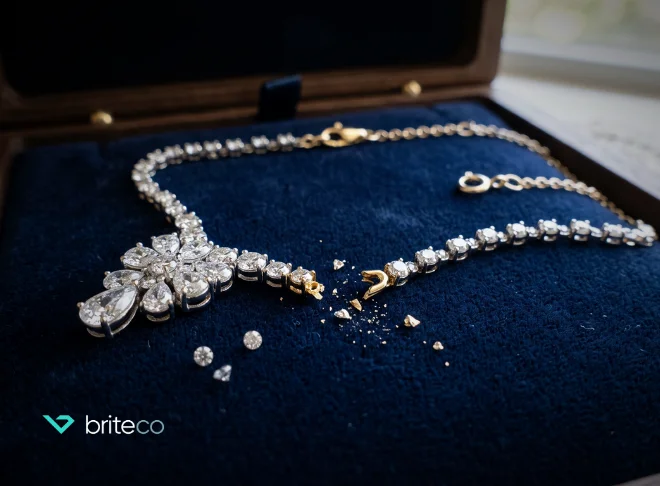
The odds of losing or damaging fine jewelry depend less on any universal statistic and more on how often the piece is worn, where it is worn, how it is stored, and whether it is well-maintained. Daily-wear pieces such as an engagement ring, wedding band, diamond ring, necklace, bracelet, or favorite pair of earrings face greater odds, because they’re exposed to more real-world risks.
Factors that can increase or decrease the odds of damaged or lost jewelry include:
- Whether or not the piece is worn daily
- If the item is worn while cleaning, during travel, or at high-risk locations like the beach/pool
- Improper storage habits, like placing the item in pockets or outside a safe jewelry box
- Maintenance needs, such as loose stones, prongs, clasps, or chains
- Theft rates
Read what BriteCo jewelry expert Rachel Akmakjian has to say about these common risks, and then see how you can protect your jewelry — both your money invested and the pieces’ sentimental value — with the right documentation and insurance coverage.
What You Will Learn
- The Real Odds: Jewelry Risk is About Exposure, Not Luck
- Why Engagement Rings and Wedding Bands Face Higher Everyday Risk
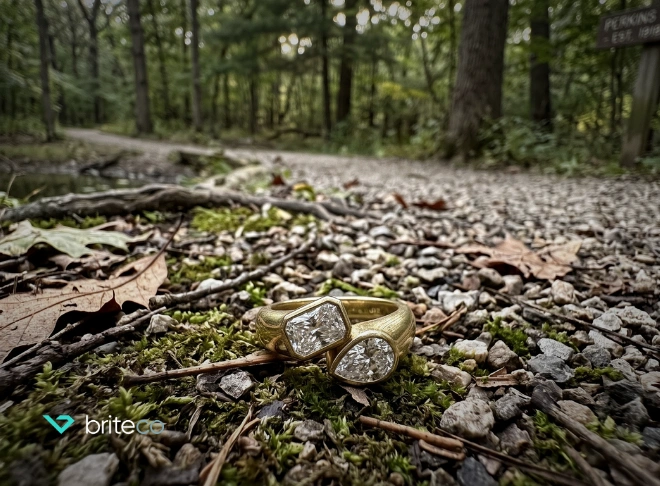
- The Most Common Ways Jewelry Gets Lost
- Mysterious Disappearance: When Jewelry is Simply Gone
- The Most Common Ways Jewelry Gets Damaged
- A Lovely Diamond Ring is Strong — But Not Invincible
- Material and Design Factors That Change the Risk
- Daily Activities That Raise the Odds of Loss or Damage
- How to Lower Your Odds of Losing or Damaging Jewelry
- What to Do if Jewelry Is Lost, Stolen, or Damaged
- The Financial and Emotional Risk of Losing Jewelry
- When Jewelry Insurance Makes Sense
- FAQs About the Odds of Losing or Damaging Jewelry
- Conclusion: The Best Odds Come From Better Habits and Better Protection
The Real Odds: Jewelry Risk is About Exposure, Not Luck
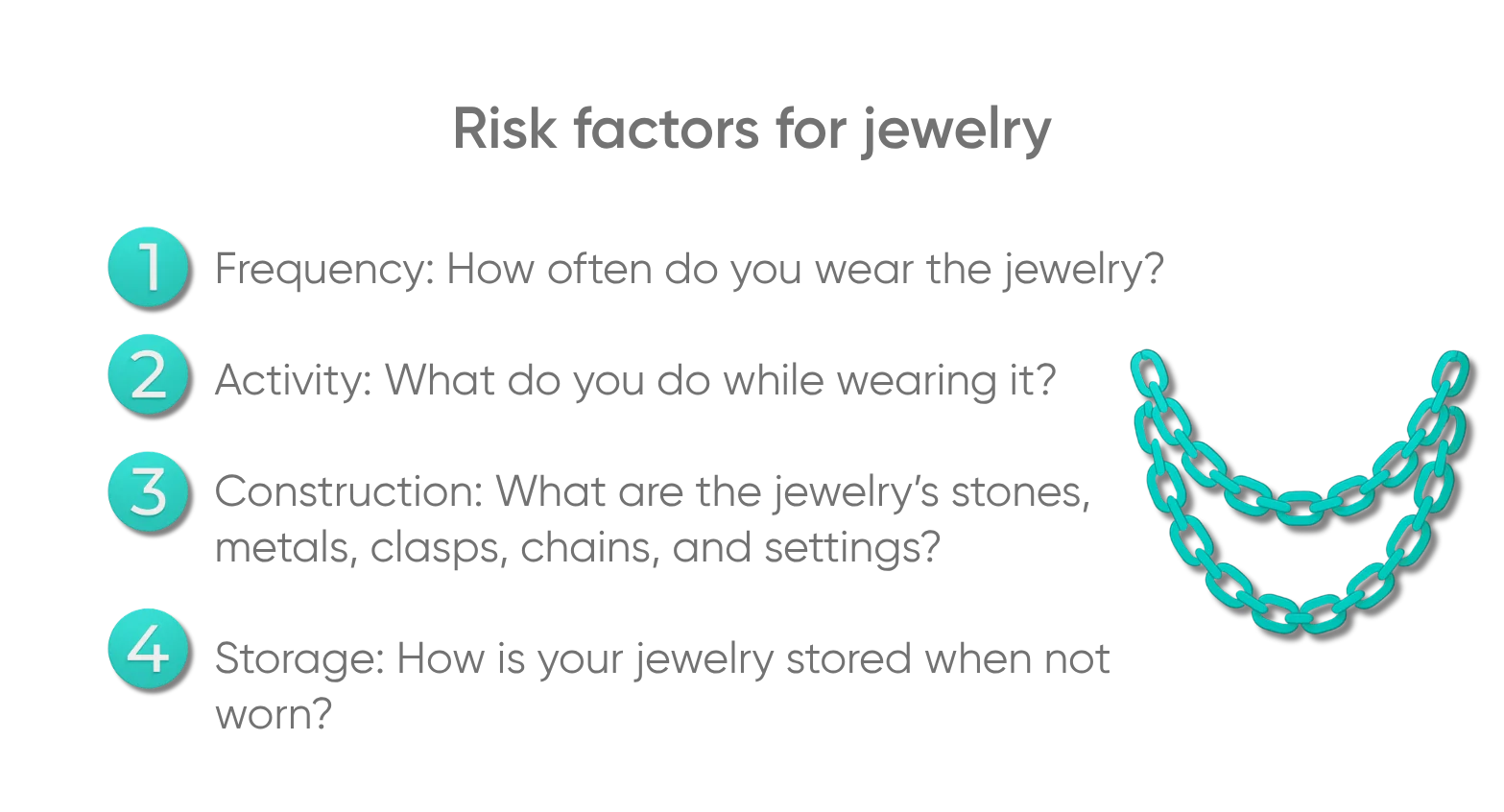
Exposure to risk is the biggest factor driving your odds of jewelry loss or damage. If you regularly wear a piece throughout your daily life, it’s naturally more likely to be knocked, snagged, misplaced, stolen, or broken than a piece that’s stored safely, with careful security measures, and worn only occasionally.
You can more or less estimate your jewelry’s exposure to risk based on the following:
Why Engagement Rings and Wedding Bands Face Higher Everyday Risk
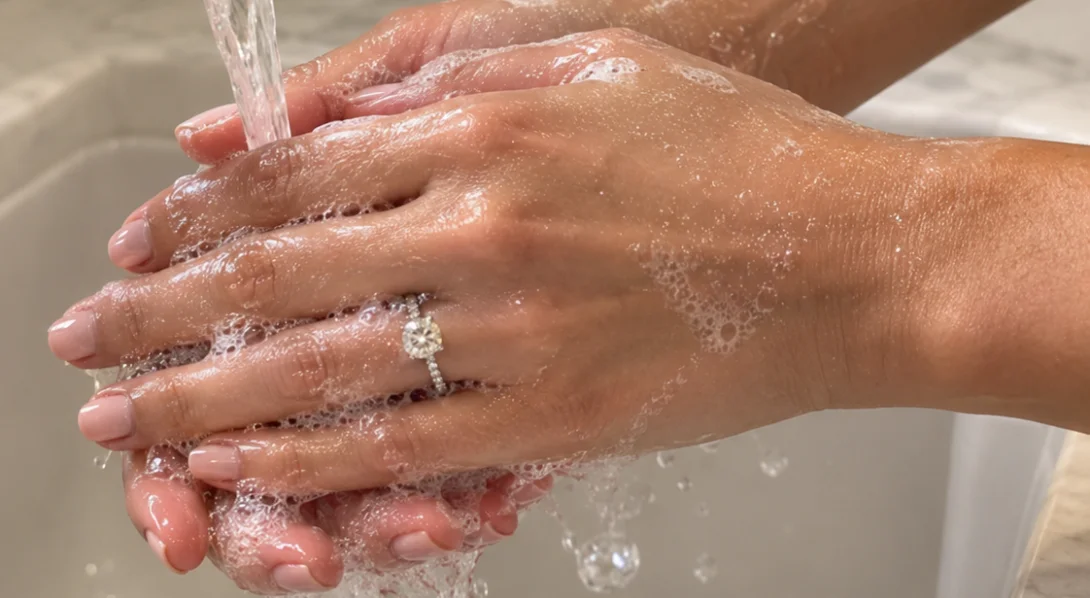
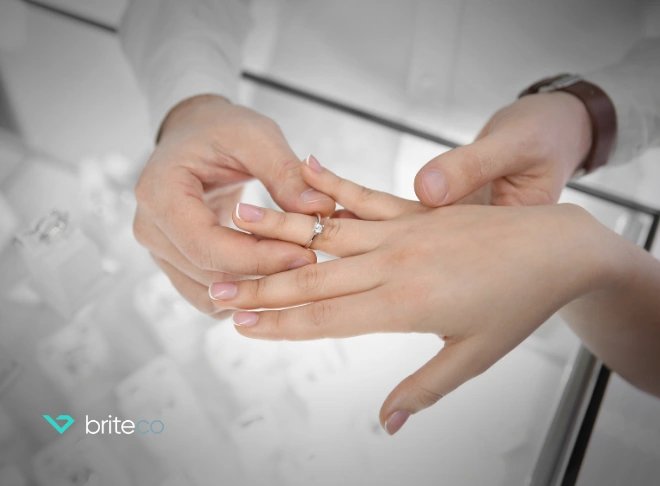
An engagement ring or wedding band will naturally face a higher risk of damage or loss, because you wear these rings on your fingers every day. “Rings slip off, stones loosen and jewelry gets damaged in the chaos of everyday life,” Akmakjian says.
Why Daily Wear Raises the Risk
There are many aspects of daily life that can result in engagement or wedding ring damage: washing dishes, cleaning, travel, beach trips, workouts, childcare, handwashing, and even sleep. While it’s advised to remove rings during activities like these, not everyone does so, and even if you do, you’re trading the risk of damage for the risk of loss or theft, when you set a ring aside multiple times a day.
Where Rings Commonly Go Missing
A diamond ring like an engagement or wedding ring can easily go missing just about everywhere, but the risks are greatest anywhere that you frequently take the ring on and off — like in your home, at the gym, or while traveling.
| Situation | Why Risk Goes Up |
|---|---|
| Washing dishes | Ring may be removed, slip off, or be exposed to soaps |
| At the beach | Sand, water, sunscreen, and finger shrinkage increase risk |
| Storing ring in pocket | Small items can fall out or be forgotten |
| Cleaning | Chemicals and impact can damage metals or stones |
| Traveling | More transitions, rooms, bags, and unfamiliar spaces |
Why Sizing Changes Matter
Sizing changes can increase your risk for loss. If your ring is suddenly looser than normal due to lost weight or cold fingers, it’s more likely to slip off. If your ring is suddenly tighter than normal due to gained weight or warm fingers, you’re more likely to take it off due to discomfort. Both scenarios can lead to misplacement, mysterious disappearance, or even theft.
Engagement ring insurance helps mitigate risk of loss, theft, damage, and mysterious disappearance. It’s recommended you insure an engagement ring directly after purchase.
The Most Common Ways Jewelry Gets Lost
Common ways that jewelry goes missing include:
- The jewelry is simply removed and left in a room, then disappears
- A ring is placed in a pocket and forgotten
- A necklace or bracelet clasp fails and the necklace or bracelet falls off
- Earrings snag and are lost while changing clothes
- Jewelry is left behind at a hotel, gym, beach, or friend’s house
- Jewelry is stolen from a home, car, bag, jewelry box, or luggage
- Jewelry goes missing with no clear explanation
If you suspect that your lost jewelry was actually stolen, file a police report. Record all related details while they’re still fresh: the time, location, a description, photos, the jewelry’s value, and any witness or security information.
Mysterious Disappearance: When Jewelry is Simply Gone
Mysterious disappearance is when a person does not know whether jewelry was stolen, misplaced, dropped, thrown away, or left behind. It’s simply gone. Mysterious disappearance can feel especially stressful due to its uncertainty; you end up constantly replaying your day over and over in your head, trying to identify what happened.
Mysterious disappearance is common in daily life, but mysterious disappearance jewelry insurance can help, providing coverage for when an item is simply gone and you have no idea what happened.
If you have this specialized coverage, and a piece of jewelry goes missing, contact your insurance company as soon as possible, with thorough documentation explaining what happened. Before your memories fade, you’ll want to write down the last time you knew the jewelry’s whereabouts, when you realized it was missing, and where it possibly could’ve gone missing. Thorough documentation makes it easier for your claim to be processed.
The Most Common Ways Jewelry Gets Damaged
Jewelry is often damaged through ordinary wear and repeated small stresses. Knocks, pressure, snags, or chemical exposure can lead to loose settings, thin chains, weak clasps, worn prongs, chips, scratches, and more.
Loose Stones and Bent Prongs
Loose gemstones and bent prongs occur when you wear a ring daily and it naturally is exposed to little impacts or snags. For example, the prongs or stone snags on your sweater, or you knock your hand against a countertop. Over time, this leads to bent or worn prongs that no longer hold your diamond or other gemstone securely.
Broken Chains, Clasps, and Bracelets
If a chain, bracelet, or clasp is broken, it’s likely due to snagging or excess force that the links or clasp cannot withstand. Maybe the chain gets caught on your arm while you’re changing clothes and it snaps. Additionally, clasps can simply wear down over time.
Chips, Scratches, and Metal Wear
Popular metals like gold and silver can scratch and wear down, due to daily contact and wear and tear, as well as exposure to chemicals.
| Damage Type | Common Cause | What to Do |
|---|---|---|
| Loose stone | Worn prongs, impact, daily wear | Stop wearing the piece and see a jeweler |
| Broken chain | Snagging, thin links, force | Store pieces separately and repair them quickly |
| Bent prong | Knocks, pressure, catching on fabric | Get a professional inspection before wearing the ring again |
| Scratched metal | Daily contact, cleaning chemicals | Ask a jeweler about polishing or repair |
| Chipped gemstone | Hard impact or improper storage | Get a professional inspection |
A Lovely Diamond Ring is Strong — But Not Invincible
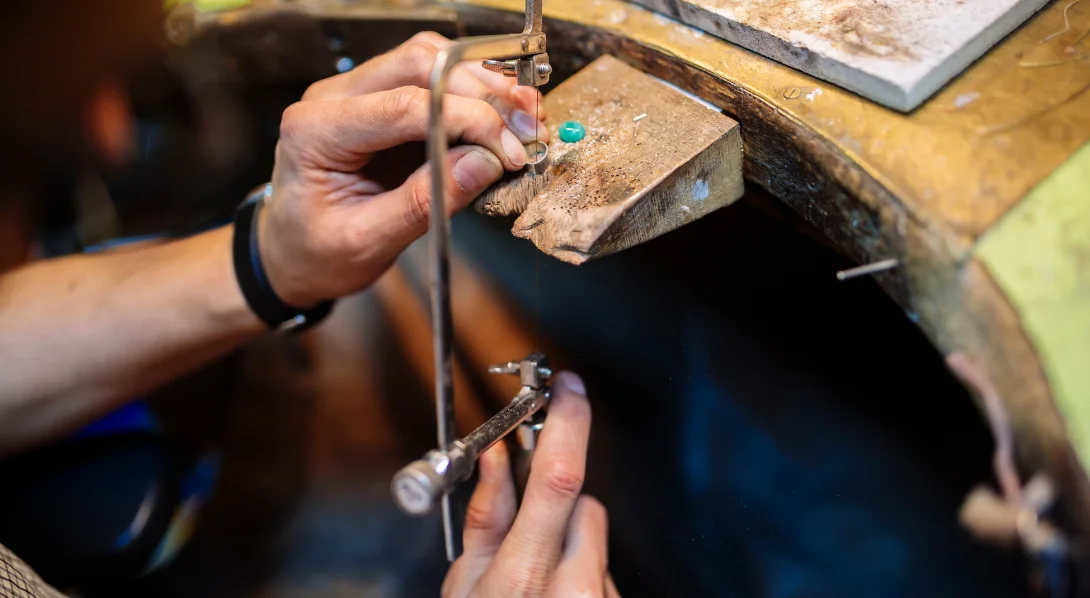
Diamonds are hard, but can still chip with enough impact, and a ring is more than just that center stone; the prongs can wear down over time, side stones can loosen, and settings can bend. You have to be careful and not just assume that your diamond ring is invincible.
In light of that, a jeweler should inspect daily-wear rings regularly, to ensure that all the ring’s parts are in good working order. If they’re not, the jeweler can then make any necessary repairs, preventing future damage or loss.
Material and Design Factors That Change the Risk
Some fine jewelry is at greater risk due to the design elements, gemstones, and metals featured in the piece; for example, a thick, well-made wedding band will be less likely to break than a delicate chain, thin bracelet, or gemstone pendant with exposed corners.
Platinum jewelry is more durable than gold, which is more durable than silver.
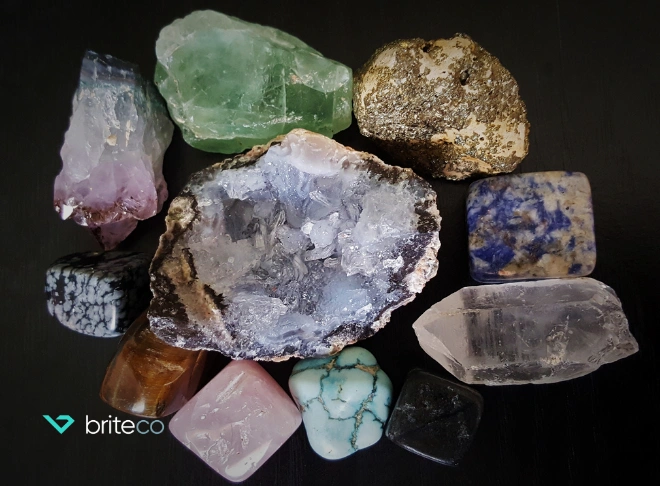
Diamonds are overall the most durable gemstone, but ruby and sapphire are also highly durable, whereas opal, pearl, and turquoise can be quite delicate.
Of course, thick chains will stand up to wear and tear better than fine chains.
Meanwhile, high prong settings are riskier than protective ring settings, such as bezel settings.
Even the type of jewelry can influence your level of risk; as discussed, daily-wear rings carry some of the highest risk, whereas a necklace, earrings, and some pendants are less likely to receive knocks and scrapes.
| Design Feature | Risk? |
|---|---|
| Thin chain | Yes, more likely to break or snag |
| Prong-set stones | Yes, need regular inspection |
| Soft gemstones | Yes, may scratch or chip more easily |
| Large pendant | Possibly, if it’s more likely to catch or swing |
| Daily-wear ring | Yes, with its higher exposure to impact and removal |
Daily Activities That Raise the Odds of Loss or Damage
Daily activities that raise the odds of jewelry loss or damage include:
- Washing dishes
- Cleaning
- Swimming or beach trips
- Working out
- Gardening
- Sleeping
- Cooking
- Showering
Take off your jewelry for all these activities. They all can result in slipping, snagging, bending, knocking, etc., damaging your jewelry or causing it to disappear.
“Whether your ring costs a few thousand dollars or a few hundred thousand, its emotional value is priceless, and accidents happen to everyone,” Akmakjian says. “We see claims from chipped stones, bent prongs, lost rings, and mysterious disappearance all the time. Traveling, running errands, even washing your hands can create risk.”
Be sure to decide on a safe storage solution in advance, though. If you’re not careful, the wrong storage — such as putting jewelry in a pocket or leaving jewelry in a hotel room while traveling — can increase your odds of loss and theft.
How to Lower Your Odds of Losing or Damaging Jewelry
- Store jewelry in a dedicated jewelry box or safe place.
- Use a ring dish only in low-risk areas, not near drains.
- Take jewelry off before cleaning, swimming, or heavy work.
- Do not put rings loose in a pocket.
- Keep necklaces and bracelets separate to avoid tangles.
- Inspect clasps, chains, and prongs.
- Visit a jeweler for any needed repair, loose stones, or bent prongs.
- Photograph important pieces for documentation.
- Keep receipts, appraisals, and repair records.
- Review protection options for high-value or sentimental pieces.
To fully protect your jewelry collection, use a combination of jewelry insurance and smart preventative practices, including security measures such as a home security system, alarms, a home safe, or a bank vault/safe deposit box (for rarely worn jewelry). Buy the best jewelry safe for your needs and you could even see a discount on jewelry insurance.
What to Do if Jewelry Is Lost, Stolen, or Damaged
For missing or lost jewelry:
- Stop and retrace your steps to the last place you know you had the jewelry.
- Check your pockets, bags, room surfaces, sinks, jewelry box, and other recent places.
- Contact recently visited venues, hotels, gyms, restaurants, or transportation providers, to see if they found the piece.
- If you suspect a theft, file a police report.
- Contact your insurance company if you have coverage, and begin a claim so you can replace the missing piece.
Lost ring? Here’s what to do next.
For damaged jewelry:
- Stop wearing it immediately.
- Photograph the damage.
- Store loose stones or broken parts safely.
- Visit a jeweler for an inspection and repair
- Save all repair documentation.
- If you have coverage, contact your insurance company to begin an accidental damage claim.
The Financial and Emotional Risk of Losing Jewelry
When jewelry is lost or damaged, the repercussions are not only financial. The piece likely holds sentimental value, represents memories, marks a past chapter in one’s life, or connects the wearer to a loved one. As such, a loss or damage isn’t just about the money. It can be very painful and sad.
- Replacement value: What it costs to repair or replace the piece
- Sentimental value: The meaning of the jewelry emotionally
As you hold on to hope of reuniting with your treasure, insurance can help you prepare to replace it. You need valuable documentation and protective measures. That means documentation in the form of photos, appraisals, receipts, and repair records, and secure storage at home.
When Jewelry Insurance Makes Sense
Jewelry insurance tends to make sense when the cost to repair or replace an item would be financially painful, when the piece is worn often, and when the item holds high sentimental and financial value.
| If this is true… | Insurance may make sense because… |
|---|---|
| You wear the jewelry daily | More exposure means more chances for loss or damage |
| It would be financially painful to replace the jewelry | It can alleviate the financial burden |
| The jewelry features stones or delicate settings | Damage risks may be higher |
| You travel with the jewelry | Loss and theft exposure increases with travel |
| The jewelry holds sentimental value | An insurance-covered replacement may help preserve the role the jewelry plays in your life, if it’s ever lost |
| You own multiple pieces of jewelry | A full jewelry collection can be quite valuable |
Jewelry insurance coverage typically costs 0.5% to 1.5% of the item’s appraised value per year, with rates varying by value, location, underwriting review, and policy terms.
FAQs About the Odds of Losing or Damaging Jewelry
What are the most common ways jewelry gets damaged?
Jewelry is most commonly damaged during everyday, mundane tasks: You knock your hand against a countertop and scratch a ring, your earring snags on your sweater and breaks, you catch your chain necklace in the pool and it snaps.
Should I wear my ring while washing dishes?
No, you should never wear your ring while washing dishes. The cleaning chemicals can damage the ring, and the soap and water make it more likely for the ring to slip off your finger.
Does homeowners insurance cover lost jewelry?
No, homeowners insurance does not typically cover lost jewelry.
When does jewelry insurance make sense?
Jewelry insurance makes sense if your jewelry is at high risk for loss or damage, your jewelry is particularly valuable, or it would be financially difficult to replace or repair the jewelry.
What should I do if my jewelry is stolen?
Compile all documentation related to the theft, file a police report, and contact your insurer to start the claims process.
Conclusion: The Best Odds Come From Better Habits and Better Protection
Your odds of losing or damaging jewelry depend on the jewelry’s exposure to risks, including how often the piece is worn, where it is worn, how it is stored, and whether it is inspected or repaired regularly, before small problems become big ones.
“Jewelry loss and damage usually happen in ordinary moments: a ring in a pocket, a chain pulled by clothing, a stone loosened by daily wear, or a piece left behind while life moves fast,” Akmakjian says. Protect your jewelry before the worst happens. Get your jewelry insurance coverage quote now.
Get a Quote:
The Easy Way to Insure Your Jewelry - and Save Money!
UP NEXT: Emotional Impact of Losing Jewelry: Why It Hurts, How to Cope

Author