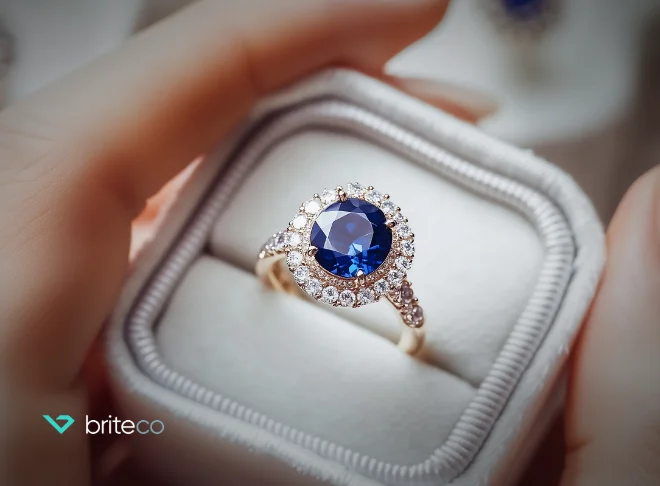
When it comes to colored gemstones, there’s no single best stone for every single person — but comparing and contrasting some of the most popular colored gemstone engagement rings can help you narrow down your choices, with popular options including emerald, sapphire, ruby, and more.
| If Your Priority Is… | Consider These Options |
|---|---|
| Everyday durability | Sapphire, ruby, moissanite, alexandrite |
| A rich green color | Emerald |
| Blue tones | Sapphire, aquamarine, tanzanite |
| Red/pink hues | Ruby, pink sapphire |
| Play-of-color or an artistic look | Opal |
| A soft classic look | Pearl |
| Color-changing effects | Alexandrite |
With guidance from jeweler Jiovanni Mancarella of Lux Forge in Denver, Colo., let’s take a look at some of the most popular colored gemstones, their pros and cons, and how to ultimately make the best engagement ring decision for your fiancé-to-be.
What You Will Learn
- Which Colored Gemstones Are Most Popular?
- How to Choose a Colored Gemstone for an Engagement Ring
- Blue Sapphire Engagement Rings — A Strong Everyday Choice
- Moissanite Engagement Rings — Maximum Sparkle and Durability for the Budget
- Emerald Engagement Rings — Beautiful, but More Care-Intensive
- Ruby Engagement Rings — Durable Color with Strong Daily-Wear Potential
- Other Colored Gemstone Engagement Rings Worth Considering
- Which Gemstones are Best for Daily Wear?
- The Best Settings for Colored Gemstone Engagement Rings
- How Lighting and Metal Change the Look of a Colored Gemstone
- What Affects the Cost of a Colored Gemstone Engagement Ring?
- What Documentation Should Come with a Colored Gemstone?
- Appraisal and Insurance for a Colored Gemstone Engagement Ring
- Colored Gemstone Engagement Ring Decision Table
- Colored Gemstone Engagement Ring FAQs
- Final Takeaway — Choose the Gemstone for the Life of its Wearer
Which Colored Gemstones Are Most Popular?
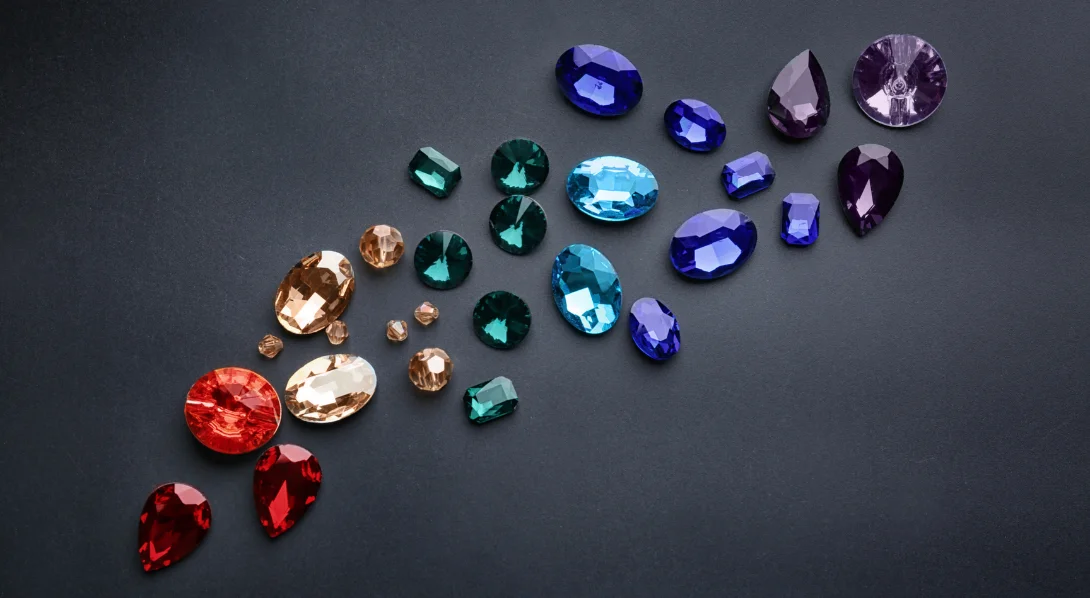
Based on The BriteCo Jewelry, Diamond, & Watch Price Index 2026, from 2019 to June 2026, blue sapphire led colored gemstones at 21.2%. moissanite followed at 11.8%, with emerald at 11.0% and ruby at 7.2%. The colored gemstone popularity data adds market context to common non-diamond engagement ring options.
What the Popularity Data Does — and Does Not — Tell Us
This data tells us that colored gems are popular — specifically sapphires, moissanite, emeralds, and rubies — but the data looks at jewelry overall, not just engagement rings. As such, you can use this popularity data as market context, but keep in mind that the best colored gemstone engagement ring for you may deviate away from these top picks.
At Lux Forge, Mancarella says engagement ring shoppers are choosing sapphires more often than diamonds, and those two stones, along with alexandrites, make up 95% of ring sales: “People are like, ‘Well, everybody has a diamond. I want something different.’ “
How to Choose a Colored Gemstone for an Engagement Ring
When comparing gemstone engagement rings, ask:
- Will the ring be worn every day?
- How hard is the owner on jewelry during everyday wear?
- Is color or durability your higher priority?
- Is the wearer comfortable with extra maintenance?
- Is there a preferred setting/metal?
- Does natural vs. laboratory-grown origin matter?
Your answers to the above will help you better understand your engagement ring alternatives to diamonds, what might be best for the wearer’s needs, and what to expect as far as cost.
Start With the Wearer’s Priorities
Obviously you want to pick a gemstone engagement ring that the wearer will love and that will be suitable for their lifestyle, so whatever gemstone you choose, make sure it will fit the wearer’s:
- Beauty tastes
- Jewelry-wearing habits
- Color preferences
- Wear frequency
- Budget in terms of maintenance
Keeping these factors in mind, you should have no trouble settling on an eye-catching ring.
Daily Life Matters as Much as the Gemstone’s Color
Mineral hardness, like that measured by the Mohs chart, will tell you how well a gemstone can resist scratching; however, toughness and cleavage also affect whether a gem is practical in an engagement ring setting. Make sure to keep these factors in mind when choosing a gemstone, as durability and how well a gemstone can stand up to daily life matter just as much as its original appearance.
Blue Sapphire Engagement Rings — A Strong Everyday Choice
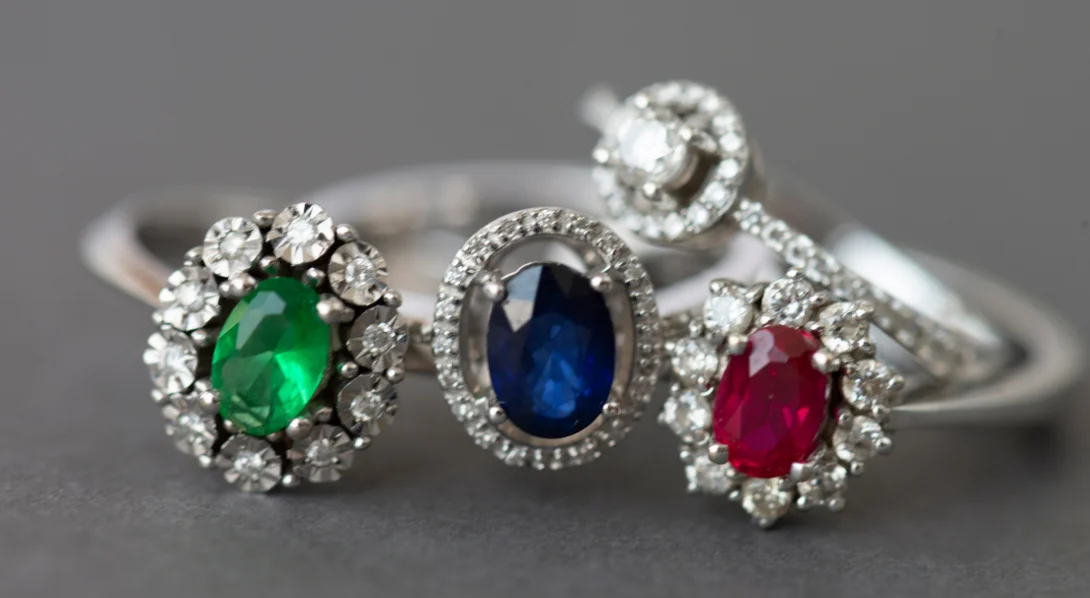
If there’s anything you need to know about blue sapphires, it’s that this classic choice is highly durable and well suited to jewelry subject to daily wear — such as an engagement ring.
It ranks a 9 on the Mohs hardness scale and boasts excellent toughness. You can purchase both natural and lab-grown sapphires, but make sure to confirm color, treatment, and origin documentation before purchase.
| Pros | Cons |
|---|---|
| Exceptionally durable | Less sparkle than a diamond |
| May be more budget-friendly than a diamond | May appear smaller than stones of the same size due to density |
| Classic and symbolic | Some wearers may not prefer a sapphire to a classic diamond |
Sapphire Does Not Have to Be Blue
Not all sapphires are blue; these stones come in many colors, including pink sapphire, white sapphire, purple sapphire, and more. “People want a lot of green sapphires, a lot of teal, even yellows,” Mancarella says. “Pastel colors have been really big for us too.”
These non-blue sapphires are referred to as “fancy sapphires.”
Moissanite Engagement Rings — Maximum Sparkle and Durability for the Budget
A gemstone with a remarkable brilliance and high durability, moissanite is a frequently purchased colorless diamond alternative. This is in part thanks to the more affordable cost of a moissanite engagement ring.
Often lab-created, this stone does have different optical properties when compared to a diamond, so check out these engagement rings in person before making a final decision.
“Moissanites are doubly refractive, so they have really, really nice sparkle,” Mancarella says. “Diamonds tend to have more of a white sparkle, whereas moissanites have more of a rainbow sparkle because they split the color spectrum a lot quicker, a lot easier for our eyes to see.”
Choose a moissanite if you want an affordable, durable, sparkly diamond alternative.
Emerald Engagement Rings — Beautiful, but More Care-Intensive
A type of beryl gemstone, emeralds offer up a beautiful green hue, but they do require special care.
Ranking at 7.5-8 on the Mohs scale, the gem’s toughness is “fair to good,” with many containing surface-reaching fractures and treatments. They may be more susceptible to cracking or chipping, as compared to a ruby or sapphire. “I’ve only done two emerald engagement rings in my career,” Mancarella says, “and those came with very strong coaching of, ‘Here is what you can and cannot do with your ring.’”
A protective setting and thoughtful care, though, can ensure an emerald engagement ring remains gorgeous for years to come.
| Best For | Watch For |
|---|---|
| Those who want a striking green stone | Greater care needs |
| Those who want a stone with a large visual presence | Vulnerability to wear and tear during daily use |
| Unique engagement rings | Truly flawless emeralds can be cost-prohibitive |
Ruby Engagement Rings — Durable Color with Strong Daily-Wear Potential
A member of the corundum family, rubies boast excellent durability in addition to their purplish red coloring, ranking a 9 on the Mohs hardness scale. The color can cross a range of red tones.
Keep in mind that treatments and stone origin can affect the ruby’s worth and value. However, ruby is generally a very strong choice for daily-worn engagement rings.
Other Colored Gemstone Engagement Rings Worth Considering
Other colored gemstones to consider for engagement rings include tanzanites, alexandrites, aquamarines, opals, pearls, topaz, and citrines.
| Stone | Durability Considerations | Appearance/Color |
|---|---|---|
| Aquamarine | Generally durable with care | Pale-to-medium blue |
| Alexandrite | Strong daily-wear candidate | Dramatic color changes |
| Tanzanite | More care required | Violet-blue color |
| Opal | Care-intensive | Play-of-color effects |
| Pearl | Care-intensive | Soft, classic luster |
| Topaz | Reasonably hard but setting/care still matter | Broad color range |
| Citrine | Generally durable with care | Warm yellow/orange |
Aquamarine, Topaz, and Citrine
Available in colorful shades of blue, orange, pink, and yellow, aquamarine, topaz, and citrine are widely available, moderately durable and relatively budget-friendly. Topaz is the most durable of the three, followed by aquamarine and citrine.
Opal and Pearl Require More Thoughtful Wear
Stones like opal and natural materials like pearls require special care, especially when incorporated into an engagement ring that’s worn daily. While these are both unique, beautiful options, protective settings are key, as is regular proper maintenance.
“I will make an opal ring if somebody is begging and pleading, but part of me wants them to sign a waiver or something, knowing what they’re getting into,” Mancarella says. “Because it’s not an if, it’s a when it will break.”
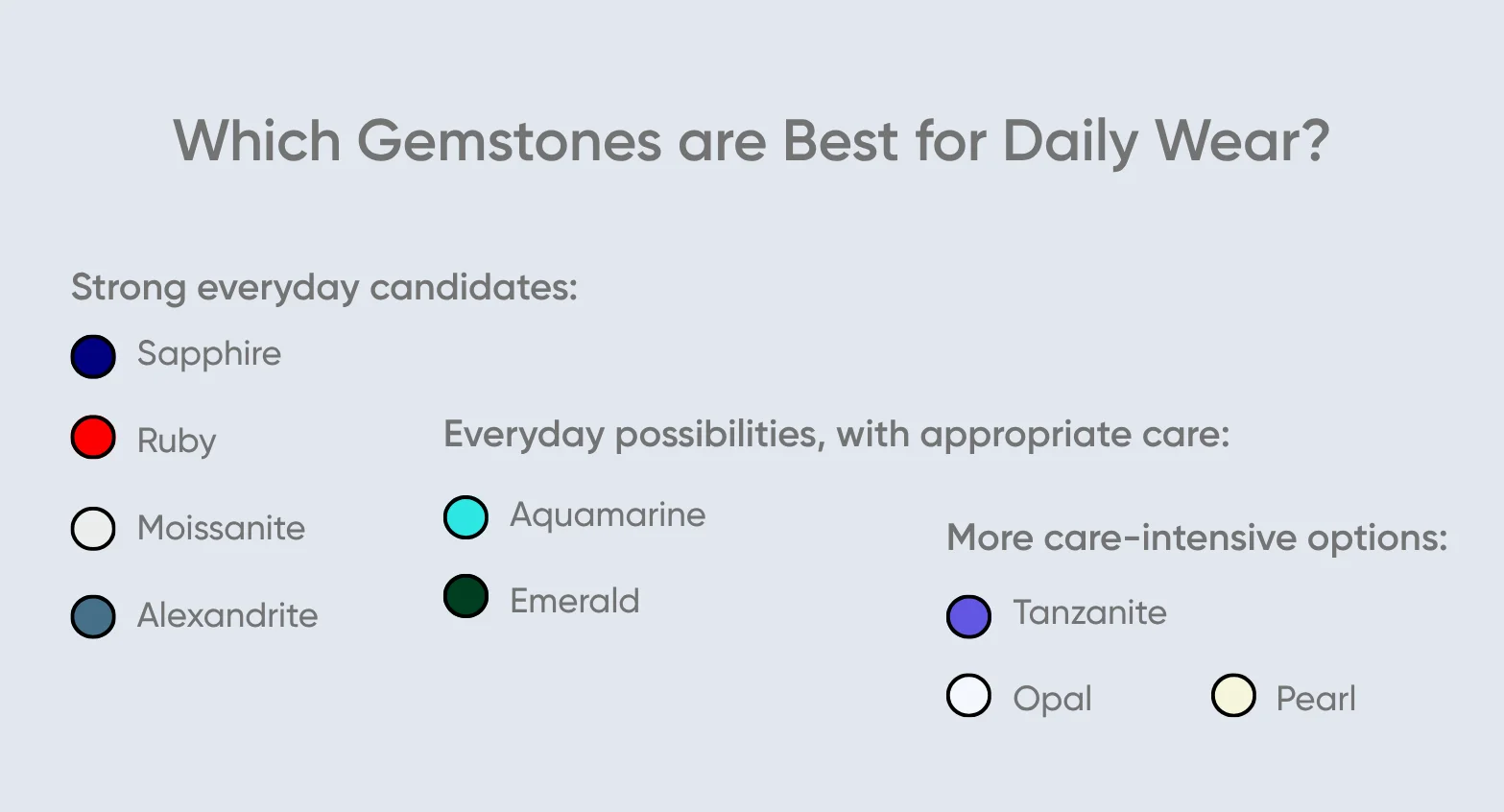
Which Gemstones are Best for Daily Wear?
As indicated by the Mohs scale for gemstones and their associated hardness, certain stones are better suited for daily wear.
Hardness is Not the Only Durability Factor
While hardness is a very important factor, it’s not the only quality that affects a stone’s overall durability, with other vital considerations including toughness, cleavage, treatments, and setting.
- Hardness: Resistance to scratching
- Toughness: Resistance to breaking/chipping
- Cleavage/Fractures: How exactly a stone breaks
- Treatments: Enhancements that can weaken a stone
- Setting protection: Whether a setting protects a stone or makes it more vulnerable
The Best Settings for Colored Gemstone Engagement Rings
Protective settings ensure that a gemstone is surrounded by materials that will keep the stone as safe as possible, preventing scratches, cracks, and other damage. Some of the best types of protective settings include halo and bezel.
| Stone Type | Best Setting |
|---|---|
| Sapphire / Ruby | Prong, bezel, halo are all viable depending on the design |
| Emerald | Consider a setting with protection around vulnerable edges |
| Opal | Strong candidate for bezel and similar protective surround settings |
| Tanzanite | Favor more protected designs for frequent wear |
| Alexandrite / Aquamarine | Multiple options, but protective settings are ideal for rougher daily wear |
Match the Metal to the Gemstone’s Color
When choosing a setting for a colored gemstone, don’t forget the other elements of an engagement ring’s style, such as the precious metal used in the setting and band.
- Yellow gold can bring warmth to green/red/blue gemstones
- White gold bands and platinum create a cooler contrast
- Rose gold can complement pink and warm stones
How Lighting and Metal Change the Look of a Colored Gemstone
Before choosing a gemstone, make sure that you see it under various lighting, as incandescent light, outdoor light, etc., can give the gemstone a different appearance.
View the stone:
- Outdoors in the daylight
- Indoors
- Under warmer lighting
- Next to the intended band/setting metal
Color-changing sapphires and alexandrites are especially good examples of how lighting can change a gem’s appearance. Some sapphires can display different colors under different light sources, while alexandrite’s well-known color-changing behavior is best exhibited under different illumination.
“Depending on which light you’re in, alexandrite will appear different colors,” Mancarella says “and that usually has to do with the way ultraviolet rays interact with the structure of the crystal. Outside, they tend to be reddish, and then they tend to be more bluish in indoor light, like LEDs.”
Warm Vs. Cool Gemstone Colors
Whether you choose a warm (red, orange, yellow) or cool (blue, green, purple) gemstone will impact perceived saturation, your metal pairing options, and overall ring style. Warm gemstones typically appear brighter, flashier, and with more intensity and sparkle, while cool gemstones appear deeper and not as sparkly.
What Affects the Cost of a Colored Gemstone Engagement Ring?
Many elements impact the cost, including the gem’s origins, size, setting, and demand for the more popular alternatives to a diamond engagement ring.
| Price Driver | Examples |
|---|---|
| Gem type | Fine ruby vs. citrine are fundamentally different markets |
| Natural vs. lab-grown | Origin can materially change price |
| Color | Hue, tone, and saturation can affect desirability |
| Treatment | Heated, filled, or otherwise treated stones can differ in value |
| Origin | Important for some high-value colored stones |
| Size | Larger fine-quality stones can become disproportionately rare |
| Setting / metal | Platinum, gold weight and design add cost |
| Certification/appraisal | Documentation may add purchase expense but improve transparency |
Current engagement ring cost data indicates that the average gemstone ring cost $9,384 as of 2025 (though you can find rings that are both much more affordable and much more expensive).
“People think that a colored gemstone will be less than a diamond,” Mancarella says. “And I often will bring in stones and people are surprised how expensive they are. They can be so much more rare. A stone might be one of one. There would be no way you could find the stone again, even if you tried.”
Natural Vs. Lab-Grown Colored Gemstones
While lab-grown diamonds may receive the most chatter, the technology exists to create multiple gem species, and opting for a lab-grown version of a gemstone may work better for your budget.
Colored gemstones that are sometimes lab-grown include sapphires, rubies, emeralds, and spinel. “You can get lab-grown alexandrites in a lot bigger sizes,” Mancarella says. “I got a 2-karat marquis alexandrite that was cut beautifully, and it ran my client around $2,000. If that were a natural alexandrite, it would have been probably $300,000.”
What Documentation Should Come with a Colored Gemstone?
For significant gemstone purchases, ask for documentation that shows:
- Gemstone identity
- Natural vs. laboratory-grown status
- Known treatments
- Gemstone weight/measurements
- Color description
- Gemstone grading report number, if certified
- Geographic origin where relevant and supported
- Sales receipt
- Appraisal where appropriate
Certification and Appraisal are Not the Same Thing
While most colored gems may come with a gem report or certification, they may not come with an appraisal unless you specifically seek one out. The gem report/certification identifies the stone’s properties, while the appraisal documents the jewelry piece’s replacement value.
That appraisal is the most important factor when having your colored gemstone insured.
Appraisal and Insurance for a Colored Gemstone Engagement Ring
When you’re insuring an engagement ring, a detailed appraisal helps the insurer set your coverage level and premium, and informs them of just how much it would cost to replace your ring with a brand-new, identical one today.
As such, your appraisal should detail:
- The exact gemstone type
- Natural/lab-grown origins
- Treatment status
- Color details
- Stone carat weight/measurements
- Metal and how the stone was set
- Surrounding stone details
Having the above details in your appraisal can ensure you get the coverage (and replacement, if ever needed) that your engagement ring deserves.
Colored Gemstone Engagement Ring Decision Table
When forgoing the classic diamond ring and opting for other gemstones, choose your engagement ring based on factors such as color, durability, and affordability.
| Colored Stone | Good for Daily Wear? | Care Level Needed | Right for a Buyer Who… |
|---|---|---|---|
| Sapphire | Excellent | Moderate | Wants classic color + durability |
| Ruby | Excellent | Moderate | Wants bold red + durability |
| Moissanite | Excellent | Low–moderate | Prioritizes sparkle and affordability |
| Alexandrite | Very good | Moderate | Wants rare/color-changing look |
| Aquamarine | Good | Moderate | Wants light-blue, elegant color |
| Emerald | Possible with care | Higher | Prioritizes rich green over ruggedness |
| Tanzanite | More cautious | Higher | Wants violet-blue rarity/color |
| Opal | Care-intensive | High | Prioritizes play-of-color |
| Pearl | Care-intensive | High | Wants a soft, unconventional look |
Mancarella helps clients choose a gemstone by pointing out practical matters and, if needed, offering more durable or affordable alternatives. “Let’s say somebody’s birthstone is an emerald,” he says. “I could suggest a green sapphire, that kind of thing.”
Colored Gemstone Engagement Ring FAQs
What Is the Most Popular Colored Gemstone?
According to BriteCo’s 2019-June 2026 colored-gemstone jewelry data, blue sapphire is currently the most popular colored gemstone, followed by moissanite, emerald, and ruby. This is for all jewelry, not just engagement rings.
What Is the Best Colored Gemstone for an Engagement Ring?
If you decide to forgo normal diamonds, you can opt for a colored diamond (like a pink diamond) or another colored gemstone such as sapphire or ruby, which are both very durable and strong, perfect for daily wear.
Is Moissanite the Same as a Lab-Grown Diamond?
No. Moissanite is a different material, despite its popularity as a diamond alternative.
Can Emerald Be Worn as an Engagement Ring Every Day?
Yes, you can wear an emerald as an engagement ring every day, but emeralds require more care than a sapphire or ruby. A protective setting and proper treatment and care matter.
Should a Colored Gemstone Engagement Ring Have a Certification or Appraisal?
Colored gemstone engagement rings should come with both a certification and appraisal, as the certification guarantees the gemstones’ properties, while the appraisal affirms the ring’s value. Both will be important for securing engagement ring insurance.
Final Takeaway — Choose the Gemstone for the Life of its Wearer
The best colored gemstone engagement ring is not simply the most popular choice on the market (which is currently sapphire). It is the gemstone that’s color, durability, care needs, documentation, and setting fit the person who will wear it every day.
- Sapphire / ruby → Offer the strongest combination of spectacular color and durability
- Moissanite → Provides a high sparkle and budget-friendly value
- Emerald → Comes with an iconic color but greater care needs
- Alexandrite → Durable and distinctive, with its color-changing properties
- Aquamarine → A very wearable lighter-blue option
- Opal / pearl / tanzanite → Beautiful, but deserve more deliberate care and setting choices
Once your stone and setting are chosen, keep your receipt, gem report, and appraisal documentation together so the ring can be accurately identified and replaced if needed. Then, get your jewelry insurance quote before you pop the question.
Get a Quote:
The Easy Way to Insure Your Jewelry - and Save Money!
UP NEXT: What are the Odds of Losing or Damaging Jewelry?

Author