How often should jewelry be appraised for insurance or other purposes? Experts recommend updating your jewelry appraisal every two to three years. You should also do this sooner if you upgrade the piece, prices shift significantly, or your insurer asks for updated documentation.
Older appraisals can become outdated as replacement values change over time, and if you don’t have an up-to-date, accurate appraisal, it could mean your insurance coverage is likewise inaccurate, complicating your claims.
So, how often should you appraise jewelry?
- Reappraise every two to three years in general
- Update your appraisal sooner if you make changes to the piece
- Keep a copy of your new appraisal stored safely
Let’s take a further look at how to tell if your current appraisal is outdated and how to update your appraisal, with advice from BriteCo Chef Actuary Conor Redmond.
What You Will Learn
- Key Considerations for Appraisal Frequency
- Why Appraisal Timing Matters
- When You Should Update an Appraisal Sooner
- How to Tell If Your Current Appraisal Is Outdated
- Does Every Piece of Jewelry Need the Same Appraisal Schedule?
- What Happens If You Wait Too Long to Reappraise Jewelry?
- Where to Update Your Jewelry Appraisal
- FAQs About How Often Jewelry Should Be Appraised
Key Considerations for Appraisal Frequency
When deciding how often to get jewelry appraised, the two-to-three-year rule is a safe bet. That being said, some situations do justify updating your appraisal sooner, like if current market conditions change, your insurance company requests it, or you change the piece in some way (such as upgrading the gemstone quality).
Factors that can influence how often to appraise jewelry include:
- Insurance Requirements: An insurance provider may require updated appraisals every two to three years, so that coverage reflects current replacement value and to ensure proper insurance coverage.
- Market Trends: Significant changes in the price of precious metals like gold or platinum, or diamonds, can justify a reappraisal, so that your documented appraised value remains realistic.
“Pieces that are heavier and mostly composed of gold may need more frequent adjustments,” Redmond says. “We’ve seen the price of gold and silver fluctuate wildly in the past two years.”
- Significant Alterations: If the piece has been resized, reset, upgraded, engraved, or otherwise changed, it should be reappraised promptly.
- Condition Changes: If the item is damaged, scratched, or has loose stones, a new appraisal can document its current condition more accurately.
So, in summary, if you’re asking yourself, “How often should I get my jewelry appraised?”, these are your main guidelines:
- Use the two- to three-year reappraisal rule as the standard
- Update sooner if the market or the piece changes
- Keep your latest appraisal paperwork easy to access
Why Appraisal Timing Matters
Reappraisal timing matters because an outdated appraisal may no longer reflect your jewelry’s replacement cost today. If your insurance coverage does not reflect the true replacement value, you may end up paying out of pocket for a replacement or repair when making a claim, due to the lack of accurate coverage.
Keep in mind:
- Replacement costs often change over time
- Older documents may be questioned when you make a claim
- Regular updates and having an up-to-date appraisal ensure your insurance documentation is actually useful
While it’s true that automatic annual insurance value updates, like those offered through BriteCo, can help keep coverage aligned with market changes between formal appraisals, they still do not replace the appraisal jewelry needs after material changes to the piece.
As such, when considering questions like, “Do I need an appraisal to get jewelry insurance?,” or shopping for engagement ring insurance or any other type of jewelry coverage, remember that the goal is not just to have an appraisal report in general. Rather, it’s to consistently have one that’s current enough to help when needed.

When You Should Update an Appraisal Sooner
You should get a new appraisal sooner than two to three years if something significant changes about the jewelry or its replacement value.
For example, jewelry values can be impacted by factors such as:
- A stone carat weight or setting upgrade
- A reset or major repair
- Changing market prices for the piece’s gemstone or metal type
All of these necessitate a fresh appraisal, but you should also consider getting a more recent appraisal if you inherit an older piece that hasn’t been appraised in a while, or simply if your insurer asks for one.
So, if you had a family heirloom engagement ring upgraded for a new proposal, get a new appraisal. Inherited an heirloom piece with incomplete or outdated paperwork? New appraisal.
How to Tell If Your Current Appraisal Is Outdated
If your last appraisal is more than two to three years old, it’s smart to assume it may need updating.
Here are five signs your previous appraisals are outdated and you need to get your jewelry appraised ASAP:
- The appraisal is more than two to three years old
- The value seems outdated based on your knowledge of the market
- The jewelry has changed in any way
- The appraisal report is missing a detailed description and/or photos
- You would hesitate to rely on the appraisal for insurance or replacement purposes
While an appraisal doesn’t come with a strict expiration date, older appraisals are more likely to be less accurate and, thus, less useful.

Does Every Piece of Jewelry Need the Same Appraisal Schedule?
The two- to three-year rule helps determine the worth of most insurable jewelry, but some pieces deserve closer attention than others, such as engagement rings or heirloom pieces.
Here’s what jewelry owners need to know about picking an appraisal schedule based on jewelry type.
| Piece Type | Does It Need More or Less Appraisal Attention? | Why? |
|---|---|---|
| Daily-Wear Engagement Rings | More | These precious pieces are highly sentimental and so it’s exceptionally important that you keep insurance coverage accurate. Pay close attention to your appraisal to ensure you can get your jewelry’s worth in full, if you ever need to repair or replace it. |
| Heirloom or Vintage Pieces | More | Whether you’re determining resale value or just want comprehensive coverage, heirloom and vintage pieces deserve more appraisal attention as their value fluctuates and they’re unlikely to have recent documentation. |
| Simpler Pieces Worn Rarely | Less | Simple, non-high-value items that you wear infrequently and have no desire to sell need less attention when it comes to appraisals — but still keep to that two-to-three-year cadence, if you want proper insurance coverage. |
Learn what to expect with ring appraisals.
What Happens If You Wait Too Long to Reappraise Jewelry?
Waiting too long to reappraise jewelry can leave you with paperwork that no longer matches the piece’s retail replacement value based on current market demand. “Your piece may be underinsured, or the carrier may reject the appraisal and require a more recent valuation,” Redmond says.
If your appraisal doesn’t match your items’ true market value, you could run into issues such as:
- Inaccurate insurance coverage
- Hassles when trying to prove value
- Missed chances to catch condition issues during routine reviews
For example, if a ring was appraised at $5,000 a few years ago but now the cost to replace it is $7,500, that outdated paperwork and valuation could leave the owner $2,500 short at insurance claim time.
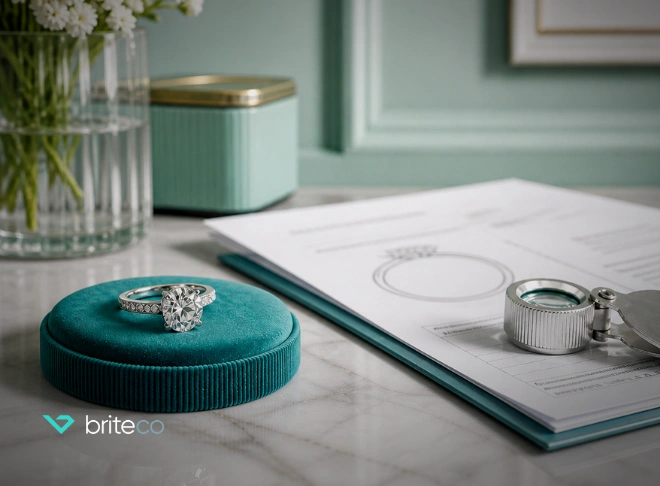
Remember, a sales receipt or GIA diamond certificate is not the same as a jewelry appraisal. Only a formal appraisal provides the documentation regarding monetary value that insurers usually need.
Where to Update Your Jewelry Appraisal
If it’s time to update your appraisal, the simplest options are a local trusted jeweler, an independent professional jewelry appraiser, or an online appraisal services provider.
Who’s the right appraiser for you?
- Choose a local professional appraiser for convenience
- Find an independent, uniquely qualified jewelry appraiser for specialist evaluations
- Go with a trustworthy jewelry appraiser online for a faster and more budget-friendly appraisal process
“Your local jeweler is always the best source for an appraisal,” Redmond says. “They understand the market value better than anyone else. Additionally, they’ll be able to inspect your piece for any defect or damage that could lead to a loss down the line.” (Find a local appraiser now or explore online jewelry appraisals.)

BriteCo online jewelry appraisal services ($26 for qualifying pieces, with 50% off additional items) and BriteCo’s automatic annual insurance value updates help keep coverage aligned between formal appraisals, but do not replace a fresh appraisal after material changes to the piece.
FAQs About How Often Jewelry Should Be Appraised
When should you get jewelry appraised?
A reliable frequency is every two to three years.
Is every two to three years the right rule for most jewelry?
Yes, experts advise that you schedule regular appraisals for your jewelry every two to three years, to ensure that you have an accurate assessment of your jewelry’s true worth for insurance purposes, if your jewelry is ever lost, stolen, or damaged.
Should I get my jewelry appraised soon after an upgrade?
Yes, if your jewelry is ever upgraded (e.g., you invest in more expensive metals and gemstones, or larger diamonds), get a new appraisal that will reflect the updated true value and cost of your piece to ensure it’s fully protected.
How long is a jewelry appraisal good for?
Jewelry appraisals do not have strict expiration dates, but experts advise getting a new appraisal every two to three years.
Does an old appraisal still work for insurance?
An old appraisal, like what might come with a family heirloom, is not ideal for insurance, as it likely does not reflect the true current value of the piece.
Jewelry Appraisal Timing: Quick Recap and Next Step
Reappraise jewelry every two to three years as a default, and sooner if the piece changes, the value of the jewelry market changes, or the current paperwork is outdated. If your appraisal is already past that window, update it now and keep the newest copy somewhere easy to access.
Find a local reputable appraiser or start with BriteCo’s $26 online appraisal option.
Related Articles:
Gender-Neutral Jewelry: A Practical Guide to Inclusive Style
How Does Location Affect Jewelry Insurance Cost?
Appraised Value Vs. Replacement Value Vs. Market Value for Jewelry Insurance
Buying Guide:
The Secret to Diamond Buying: Natural vs Lab Grown

UP NEXT: What are the Odds of Losing or Damaging Jewelry?

Author