7 Different Colors of Gold: A Quick Guide for the Jewelry Shopper
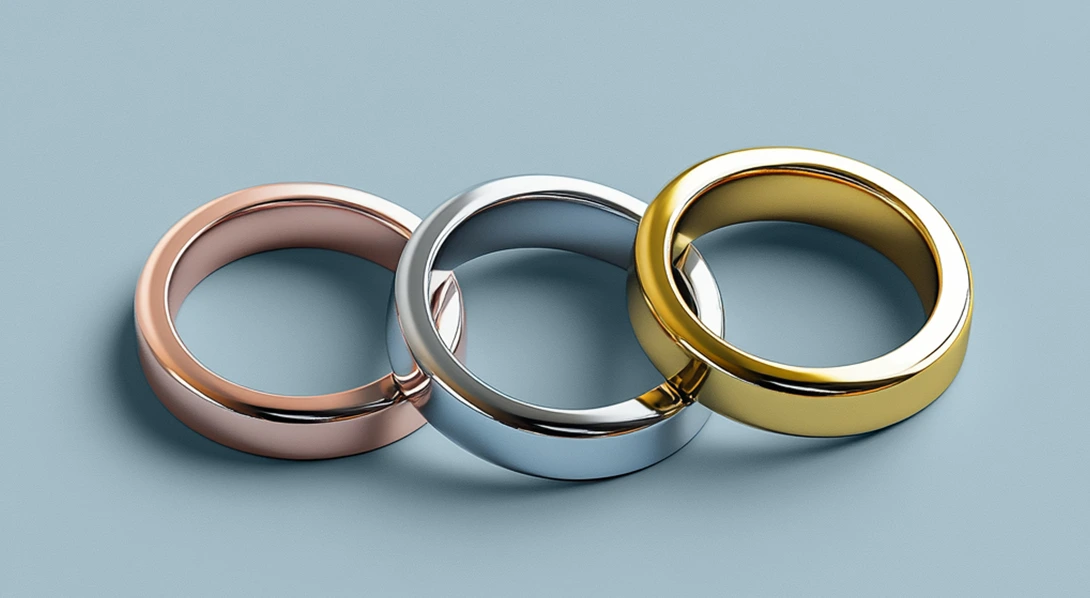
You’re probably familiar with a few different colors of gold. Gold jewelry often comes in yellow gold, rose gold, or white gold, which can appear in pure gold jewelry, gold-filled jewelry, and gold plating. However, these aren’t the only shades of gold – several different gold colors exist.
Here’s your quick guide to all the gold colors, from the standard to the unexpected.

What You Will Learn
The Most Popular Different Colors of Gold Jewelry
First, let’s examine some of the most popular different shades of gold jewelry and where and how they get their hues.
Yellow Gold
Actual gold from the ground is, in fact, yellow. This is your option if you want a piece of gold jewelry that looks as similar as possible to the au naturel. However, note that pure gold is incredibly soft, which isn’t an excellent fit for jewelry. As such, when making yellow gold jewelry, jewelers or manufacturers practice mixing pure gold with other metals, such as sterling silver, copper, or zinc, to make it stronger.
White Gold
White gold is a popular choice for engagement and wedding rings. White gold jewelry is a gold alloy containing zinc, nickel, or palladium. The metal also features a rhodium plating.
Rose Gold
A little more contemporary but no less beloved than white or yellow gold, rose gold jewelry gets its feminine, pinkish hue from a gold-copper alloy. This pink gold may be altered to contain more of a certain metal, changing its color from decidedly pink to more red gold.
While rose gold may have become popular in recent decades, it first gained popularity in the 1800s, particularly in Russia. That’s why rose gold is sometimes also referred to as Russian gold.
More Unusual, Unique Gold Colors
Yes, the above three gold jewelry colors are most popular when buying gold jewelry. However, many other gold alloys produce interesting hues.

Green Gold
This colored gold is made by mixing gold with mostly silver, to give it that green tint, as well as copper, zinc, and nickel. Green gold typically isn’t a vibrant green but is a yellow-gold hue with a very subtle green tint. The appearance is rather eye-catching, but good luck finding a piece of green gold jewelry. It’s not very common.
Blue Gold
Blue gold is gold mixed with indium, or gallium. Blue gold isn’t typically bright blue and is even less common than green gold, mostly because blue gold is very brittle. Instead, it looks slightly like grey gold with a slight blue tint.
Purple Gold
Violet gold or amethyst gold is gold mixed with aluminum. This mixture is notoriously brittle and fragile, making it rarely used for jewelry making. However, by adding other metals to the alloy, suitable durability can be reached, allowing for its use in jewelry.
Black Gold
Whereas the above colors of gold jewelry are gold alloys created by mixing different metals with yellow or white gold, black gold often features a true yellow or white gold base. Still, then the gold is covered with black material, like a rhodium plating. Black gold has a charcoal-black appearance.
What is the Best Different Color Gold Jewelry?
Out of all of these options, which is best for you? They all come with their pros and cons.
Buy Yellow Gold If
You want the appearance of pure gold, but consider 18k or 14k for better durability, compared the pure 24k gold. Yellow gold also offers a traditional appearance and, while it may go in and out of fashion, always comes back around.
Buy White Gold If
You want the appearance of silver or platinum but not the drawbacks that come with either. White gold alloys are generally far less expensive than platinum, and white gold is more durable than silver, so it can withstand more daily wear and tear.
Buy Rose Gold If
You want a delicate, feminine appearance and on-trend jewelry. Rose gold is particularly popular for romantic engagement rings.
Buy One of the More Unusual Shades of Gold If
You’re looking for a more unique jewelry piece, but it’s worth noting that the less common shades of gold typically come with downsides. For one, finding one of the more unusual shades can be difficult. Additionally, due to the unique mixtures of metals included in each, some may require different care and maintenance methods. Because these mixtures aren’t as standard, you may also find that not all jewelers are willing to offer cleaning or repair services if you need them.
Gold Colors Jewelry FAQs
What are the Different Colors of Gold?
Wondering what colors of gold are there? The most popular colors are yellow gold, white gold, and rose gold. However, many more colors exist, including purple gold, red gold, green gold, black gold, and blue gold. All of these colors are made possible by unique mixtures of gold and other metals.
What is the Rarest Gold Color?
Purple gold is one of the rarest gold colors. Made from gold mixed with aluminum, purple gold can be delicate and brittle, though, so it’s not always a good choice for jewelry.
What Color of Gold is Pure Gold?
Pure gold is yellow gold. However, not all yellow gold is pure gold. Pure gold is pretty soft and not suitable for jewelry. As such, yellow gold jewelry consists typically of a mixture of pure gold and other metals like silver, copper, or zinc.
Is Colored Gold Real?
In most instances, yes, colored gold is real. Pink, green, blue, and purple gold are merely gold alloys—pure gold mixed with other metals to maintain its appearance. When it comes to black gold, a piece may be made with yellow gold and then covered with a sheet of metal that gives it a black appearance.
What Color Gold is Most Durable?
Of the three primary gold colors — yellow, white, and rose — rose gold is the strongest due to its copper content. White gold requires more maintenance to keep up its appearance, and yellow gold isn’t as durable as rose gold.
Keep Your Favorite Gold Pieces Protected with Specialized Jewelry Insurance
The right jewelry insurance will keep your favorite gold pieces safe — no matter what type of gold. If it’s a piece that you consider valuable (either monetarily or sentimentally), it’s worth protecting.
Personalized and comprehensive jewelry insurance will ensure you can repair or replace your gold jewelry in the event of damage, loss, or theft. Learn more and pick the right BriteCo policy for your needs.
Related Articles:
How to Clean a Gold Chain
Is Gold Worth More Than Diamonds?
What is the Largest Gold Nugget Ever Found?
How to Tell if Gold Is Real With a Lighter Test?
Does White Gold Tarnish?
What Is Recycled Gold? A Quick Guide
Where to Sell Gold & How to Get the Most for It
Quiz:
The Engagement Ring Calculator You’ve Been Searching For and it’s FREE!

UP NEXT: What are the Odds of Losing or Damaging Jewelry?

Author