Until recently, sustainability and the traditional jewelry industry haven’t exactly gone hand in hand. But lately there have been efforts to change that, for example, with advancements in lab-grown diamonds, synthetic gems, and more industry regulation.
You may also recently have seen brands pushing recycled gold jewelry as a more sustainable option. It goes to reason that if your new jewelry is made from old gold rather than newly mined gold via a more sustainable production process, it will have a lower environmental footprint.
However, is this truly the case? Or is it just an instance of savvy marketing? Here’s what you need to know when it comes to what is recycled gold.
What You Will Learn
What Is Recycled Gold Jewelry?
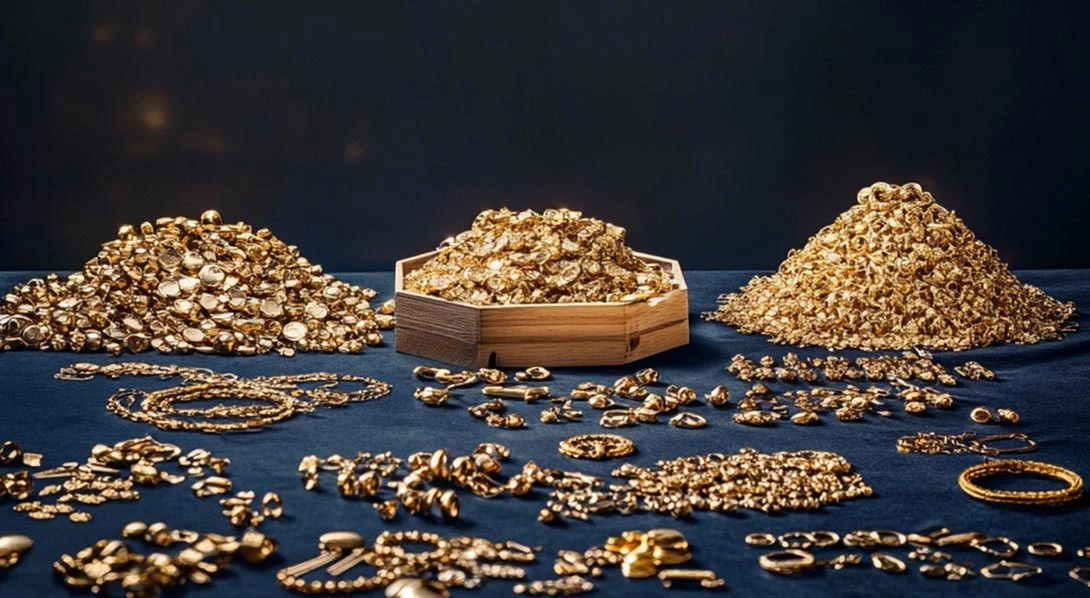
Recycled gold is pretty much what it sounds like. If you take refined precious metals, melt them down, separate the undesired particles until you have gold in its purest form possible, then take that new gold and turn it into a piece of jewelry, you’ll have what is commonly referred to as recycled gold jewelry.
Gold recycling uses a wide variety of sources, so it’s not just recycling gold jewelry that produces new pieces. The gold content in your recycled jewelry item could have come from electronic waste, industrial waste, old cars, or even dental restorations.
The industry doesn’t only recycle gold into jewelry, either. It may also be used to form gold bars, for example.
How Is Gold Recycled?
Of course, recycling gold is much more complex than just melting some old metal down, waiting for it to cool, and turning it into something brand new.
First, producers must examine the gold to be recycled and determine its purity. Based on this level, gold is then sorted, and the melting and smelting process can begin. (Smelting is when a chemical compound and heat are added to extract the metal.) This process must occur at an extremely high heat, as gold has a high melting point of 1,064 degrees Celsius, or about 2,000 degrees Fahrenheit.
Pure gold may also be combined with other metals to create alloys. Most gold jewelry is not pure gold, but one of these alloys since pure gold can be too soft for use in jewelry. Adding other metals can increase the durability and change the appearance, as is the case with white gold and rose gold.
Benefits of Gold Recycling
So why would someone specifically seek out recycled gold?
The benefits of gold recycling can include:

- Less need for traditional gold mining(whether that’s placer mining, hard rock mining, gold ore mining, or product mining); this is important since the mining process often comes with sustainability and human rights concerns
- Less reliance on depleted gold deposits, as the gold mining regions lefthave produced less and less gold over time
- No loss in value; recycled gold is considered the same as newly mined gold in terms of overall gold price and value
So, while you’re not necessarily going to spend less on recycled gold jewelry (like you might on a lab-grown vs. mined diamond), you’ll still enjoy recycled gold’s eco-friendly and ethical benefits.
Drawbacks of Gold Jewelry Recycling
Benefits aside, gold recycling isn’t without its faults. Many have criticized the phenomenon for a few key reasons.
- Recycled gold doesn’t save gold from the trash. Gold has and always will be repurposed, given its value, so buying recycled gold can’t be compared to something like purchasing clothing made from recycled water bottles that would have otherwise ended up floating in the ocean.
- Some recycled gold isn’t actually recycled.Since recycled gold isn’t regulated separately from new gold, it’s easy for unscrupulous companies to use the “recycled” label while still engaging in unsustainable mining practices.
- The refining process used to create recycled gold isn’t completely environmentally friendly. While it might not be as damaging as large-scale mining, it still has its own environmental hazards.
So, before deciding whether you should or shouldn’t buy recycled gold jewelry, weigh the pros and cons and determine what matters most to you.
Alternatives to Recycled Gold
If you want a more sustainable piece of gold, you can also consider alternatives to recycled gold.
1. Fairmined Gold
First, there’s fairmined gold. Fairmined gold has received a third-party certification that verifies the gold has been sourced from artisanal, small-scale mining organizations that adhere to responsible practices. While the Fairmined organization is still growing, as of now, it has certified seven mining operations from three countries. Over a decade, these certified operations have sold about 2,000 kilograms of gold to the market.
2. Fairtrade Gold
The Fairtrade Foundation, known for its third-party certifications for sustainable coffee and chocolate, also certifies small-scale gold mining operations. On its website, the foundation offers a directory of registered Fairtrade goldsmiths.
3. Secondhand Jewelry
Another option is secondhand jewelry made from recycled materials. You can find lovely vintage and antique jewelry at estate sales, vintage stores, and online marketplaces. The key to ensuring you’re getting a good deal is to always run any vintage or antique jewelry by a qualified appraiser before purchasing it.
How Common Is Recycled Gold?
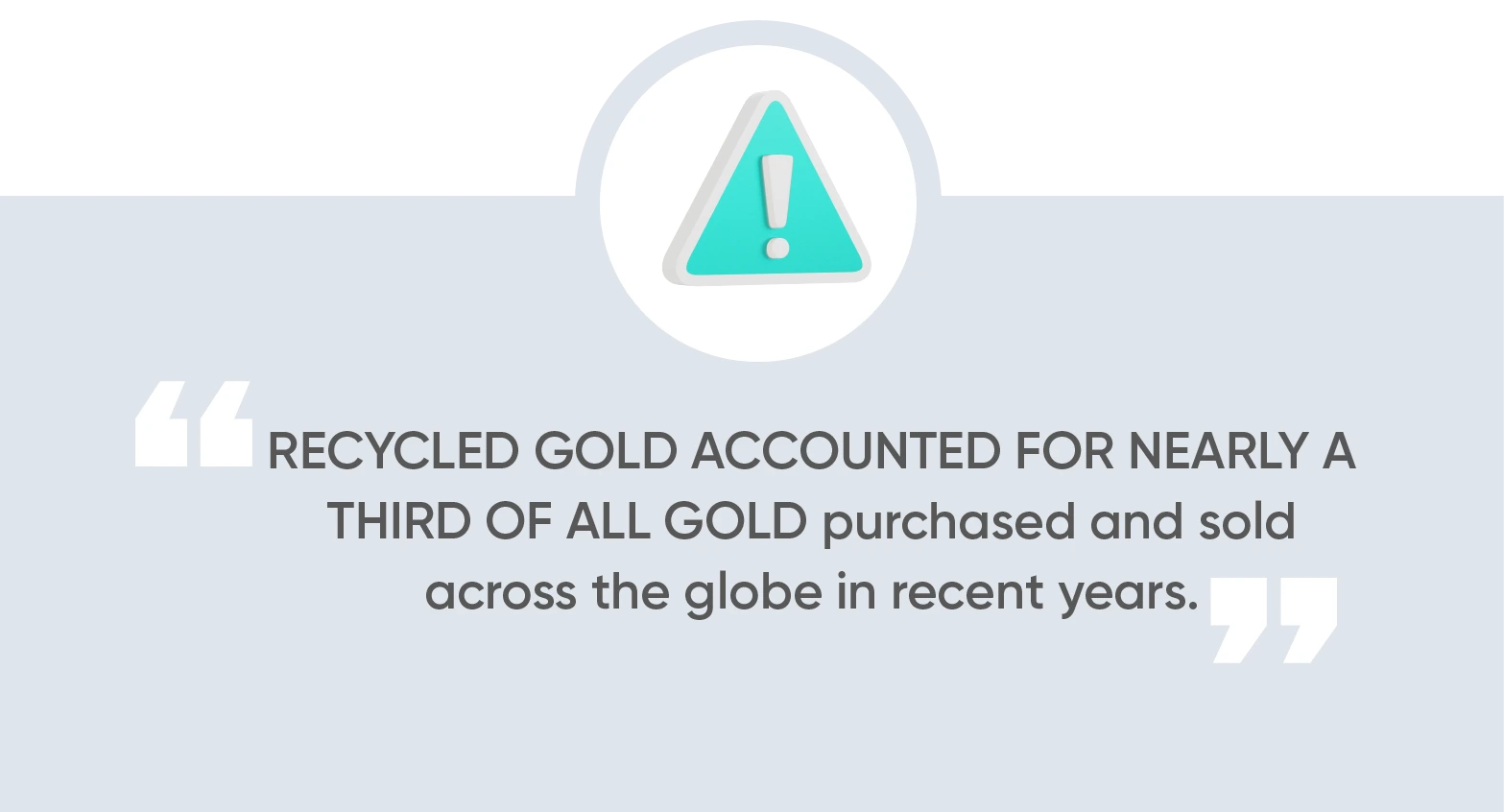
It’s pretty common, maybe even more so than you might think! The World Gold Council and London Bullion Market Association both reported that recycled gold accounted for nearly a third of all gold purchased and sold across the global market in recent years.
In fact, some brands have reportedly switched to exclusively using recycled gold in their jewelry, as with Pandora. Pandora’s recycled gold adheres to standards set forth by the Responsible Jewelry Council.
Recyclable Gold Jewelry FAQs
Is Recycled Gold Cheaper Than New Gold?
Not really. Because recycled gold is melted down into pure, solid gold before being reformed, you won’t notice any price changes between recycled gold and “new” gold. It’s all the same purity and value.
Where Does the Gold in Recycled Gold Come from?
It comes from various sources, the number one being old jewelry. Other top sources include items like electronic equipment. Other less prominent sources include industrial uses and old vehicles.
Does Recycled Gold Tarnish?
No! Recycled gold is exactly the same as non-recycled gold in terms of its material makeup. As such, it will not tarnish at all.
Is Gold Truly Sustainable?
If you’re looking for a truly sustainable gold option, you can consider buying a new piece made from recycled gold, buying an existing piece of antique or vintage jewelry, or buying a piece made from gold produced by a small mining operation that’s been certified sustainable.
Should I Care About Sustainable Jewelry?
Yes! If you care about sustainability, environmental matters, and/or human rights, you should also care about where your jewelry comes from. While there are many sources of responsibly sourced gemstones and precious metals, there are also many sources that are causing irreparable harm to vulnerable ecosystems and people worldwide.
Protect All Your Gold Pieces with Jewelry Insurance
Whether you’ve invested in recycled gold jewelry or traditionally mined jewelry, it’s important to keep it safe. You’ll want to go beyond just investing in a jewelry safe or practicing proper jewelry care and cleaning. You also need jewelry insurance to protect your favorite pieces in the event of damage, loss, theft, or mysterious disappearance.
BriteCo makes it easy to secure, with comprehensive jewelry insurance policies that fill in all the gaps left behind by a homeowners or renters policy.
Learn more and get your free jewelry insurance quote today.
Also Check:
What is a Bench Jeweler?
Where to Sell Gold & How to Get the Most for It
Why Does Gold Fluctuate in Price?
What Is Cameo Jewelry?
How to Clean Gold Earrings
Appraisal Tool:
The Easiest Way to Get a Professional Jewelry Appraisal Valuation!
UP NEXT: What are the Odds of Losing or Damaging Jewelry?

Author