You may know ring settings or styles of rings, from promise rings to statement rings, but do you know what makes up a ring? Not all rings or parts of a ring are the same and can differ significantly in ring design.
Knowing the anatomy of a ring can come in handy when you’re shopping. You can more easily explain your dream ring to a jeweler, ask questions, and be a more informed consumer overall.
So, are you ready to learn all the different parts of the ring? Here’s what you need to know.
What You Will Learn
What are the Parts of an Engagement Ring?
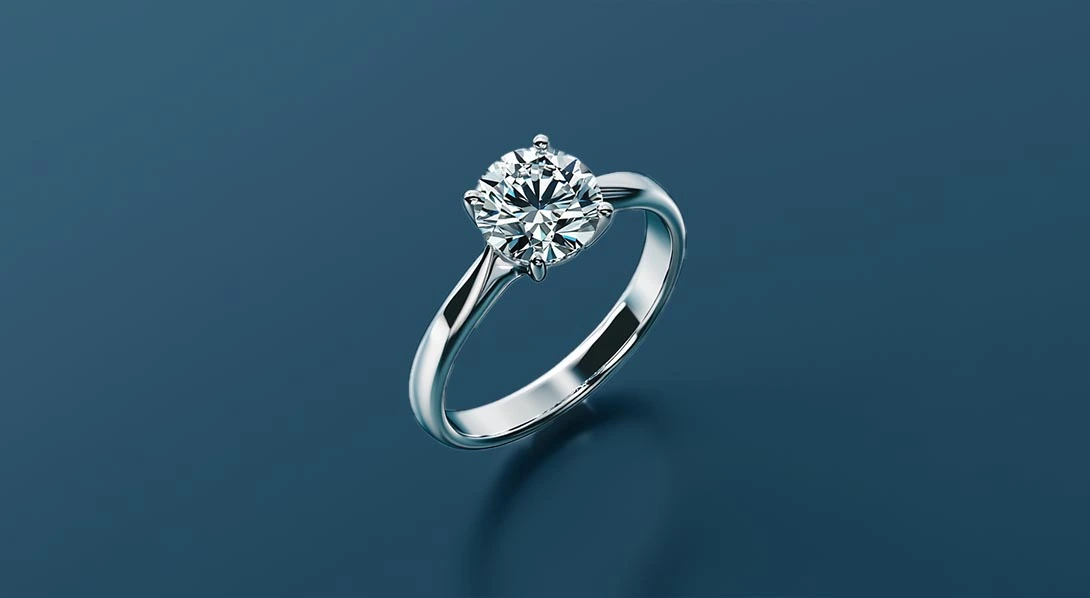
Let’s use an engagement ring design as an example, as engagement rings are often relatively straightforward and basic diamond rings.
The Head/Crown and Prongs
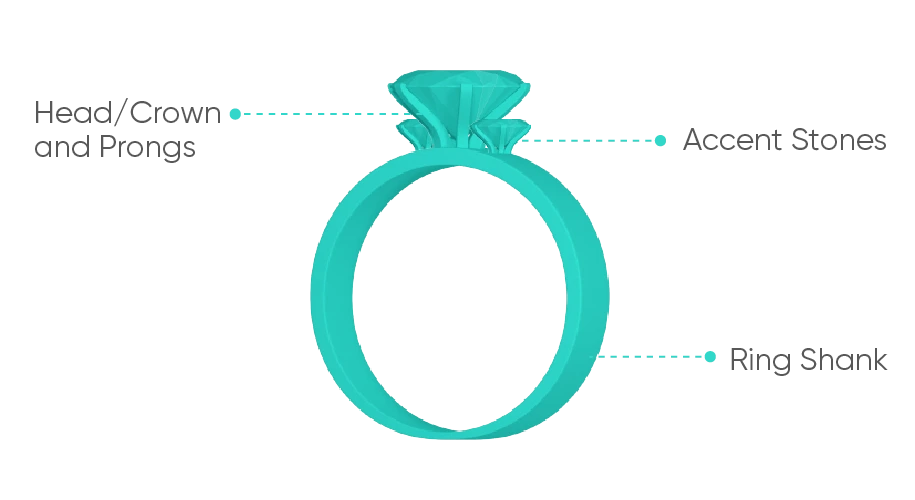
Usually, an engagement ring consists of a solitaire or center diamond accompanied by perhaps two or four smaller stones surrounding the main center stone. The head, or crown, holds the center stone in place, typically using prongs.
Both the head and prongs can differ depending on the ring design.
Prong options include:
- Four prongs, with one at each corner of the diamond
- Six prongs, spaced equally around the diamond
- Double prongs consist of eight prongs in total, two at each corner
- Claw prongsare prongs that come to a point
- V-prongs, shaped like the letter “V,” hold square or rectangular diamond shapes
- Diamond-tipped prongs are for smaller diamonds on the tip of each prong
For head and crown options, you have:
- The basket head, which holds the diamond low against the ring, in a basket-like design
- The peg head, which holds the diamond up and further off the rest of the ring
- The trellis head, for an interwoven prong design
- The tulip head, for a prong design that offers a floral motif
If the crown holding the center stone has a space between the shank and diamond, this is called the gallery. The gallery may be open, enclosed, or feature intricate designs with small accent stones.
The Ring Shank
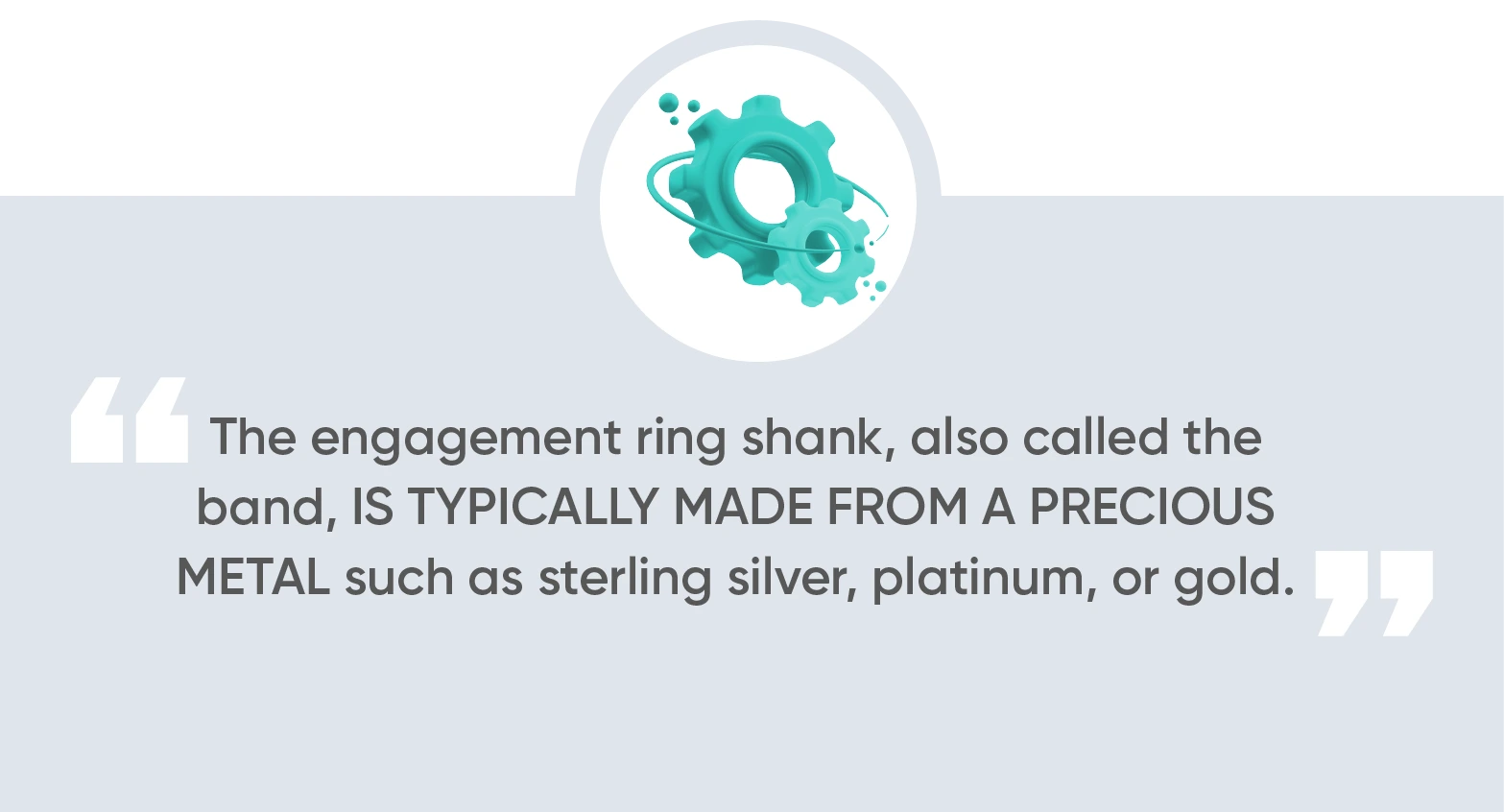
The engagement ring shank, also called the band, is typically made from a precious metal such as sterling silver, platinum, or gold. A gold band could be made from yellow gold, white gold, or rose gold.
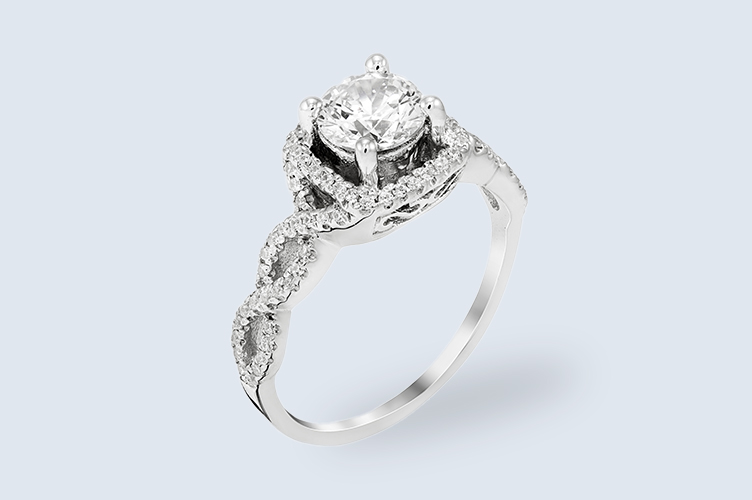
The ring shank is the part of a ring that consists of nearly endless design options. Shanks can vary in width, shape, and complexity, allowing for more choices. While a traditional, totally round shank is most common, others include:
- Euro shanks are more square in shape, wherein the bottom of the shank is more flat, preventing the ring from twisting on the finger
- Tapered shank is when the band narrows or widens away from the center stone
- Split shank is where the band splits into a “V” away from the center stone
- Infinity shanks incorporate the infinity symbol along the band once or multiple times
- Twisted shanks feature one or two bands that are twisted or entwined for more visual interest
The part of the shank that sits directly atop the finger, right beneath the center stone, is also sometimes called the bridge. Engagement ring bridges sometimes feature unique accent stones or other design elements. Likewise, the part of the shank that sits directly beneath the finger is sometimes called the sizing bar, as that is the part of the band that a jeweler will adjust if resizing your ring.
Accent Stones
Sometimes, the band will feature adornments like small accent stones.
Similar to crowns and prongs, accent stones come in several varieties. Some rings feature:
- Channel accent stones, with identical diamonds laid into a channel within the band
- Pave accent stones, wherein each diamond sits in its own little individual hole, all around the band
- Shared prong accent stones, which are held in place with prongs, just like center stones
Do not confuse accent stones with side stones on an engagement ring or wedding band. Side stones refer to just the stones directly to the side of the center stone.
Other Terminology Parts of a Ring Use
While the above covers the different parts of a ring, you can find a stunning ring that remains on the simple side and doesn’t add any extra diamond ring parts. However, some rings can go further by adding additional flourishes.
These flourishes might include:
- Engraving, including filigree
- Milgrain, or metal beading
- Add a halo of diamonds around your center stone
- Secret or hidden stones (typically a colorful stone) in the shank or halo that are special to the wearer
Final note. Most rings feature a hallmark — a tiny, usually somewhat hidden engraving that tells you key details about the parts of a diamond ring, such as carat weight, gold karats, and the maker.
Parts of Ring FAQs
What are the Parts of Engagement Ring Called?
The basic engagement ring parts include the head, prongs, and shank (or band). The prongs showcase the center stone and secure it to the head, which is secured on top of the shank. More adornments, like accent stones or side stones, can be added around the head, prongs, and shank.
What are the Parts of a Wedding Ring?
A wedding ring is classically basic, with just a shank or band. Sometimes, it may feature inlaid diamonds in a channel or pave diamonds.
How are the Parts of Diamond Ring Jewelry Assessed?
If you’re getting a jewelry appraisal or want to know how a piece of jewelry gets its price, typically, diamond rings’ value is based on a few factors, including diamond color, cut, clarity, and carat weight; precious metals used in the band; and rarity of design.
How Do You Care for the Parts of a Diamond Ring?
At-home diamond ring care should be simple. In addition to keeping your ring clean by avoiding exposure to dirt, grime, and chemicals, you can lightly clean it using warm water, mild soap, and a gentle cleaning cloth. Be sure to rinse and dry the ring thoroughly. For extensive jewelry cleaning needs, always take your ring to a professional.
What Do You Call the Part of a Ring That Goes Around Your Finger?
The part of the ring that goes around your finger is called the band or shank. The band’s very top part, beneath the gemstones, is sometimes called the bridge, while the part of the band that sits beneath your finger is sometimes called the sizing band.

Protect Your Favorite Rings
Whether shopping for an engagement ring, or a statement ring, or any kind of ring in between, be sure your precious pieces are protected from loss, damage, and unforeseen accidents.
BriteCo’s comprehensive coverage will protect a range of jewelry pieces. Get your free and fast quote now.
Related Articles:
How Much Is Engagement Ring Insurance?
The Strongest Metal for Rings
Types of Ring Settings
Best Types of Engagement Ring Storage
When to Take Off Your Engagement Ring
Why We Love Dove Cameron’s Engagement Ring
Get a Quote:
The Easy Way to Insure Your Jewelry - and Save Money!
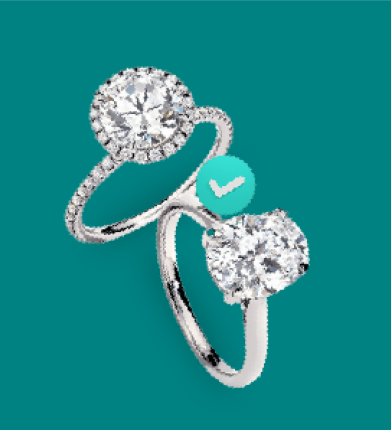
UP NEXT: What are the Odds of Losing or Damaging Jewelry?

Author