When to Take Off Your Engagement Ring
As much as you love wearing your prized possession, you should take off your engagement ring under any circumstances that could potentially affect your ring’s appearance or durability, as well as in any cases where your ring might be susceptible to accidental damage and accidental loss. This includes:
- When you are engaging in strenuous physical activity, such as exercising, playing sports, manual labor, or lifting heavy objects
- When preparing food, such as raw meat or any dishes that might lead to food particles being stuck within your ring setting
- During water activities, whether at the pool or a natural body of water
- While in the shower or applying beauty products, lotions, and similar products with harsh chemicals
- During extreme temperatures exposure, whether that’s very hot or very cold environments
All of these situations can lead to potential damage of any fine jewelry, including engagement rings.
What You Will Learn
- Damages That May Occur to Your Engagement Ring
- When Should You Take Off Your Engagement Ring Due to Temperature?
- What Do You Do with Your Engagement Ring When You’re Not Wearing It?
- Is Wear and Tear Normal for an Engagement Ring?
- Are There Other Situations Where It’s Okay to Remove Your Ring?
- When Should You Take Your Engagement Ring Off FAQs
- Always Protect Your Engagement Ring with Jewelry Insurance
Damages That May Occur to Your Engagement Ring
Knowing when to take off your engagement ring using the list above will help you keep your ring in mint condition for longer. On the other hand, if you do not avoid wearing your ring during situations of physical activity, extreme temperatures, or when your jewelry could come into contact with damaging substances, it will pose risks to your diamond ring, such as:

When Should You Take Off Your Engagement Ring Due to Temperature?
You should remove your engagement ring or wedding ring anytime that extreme temperatures could lead to your ring finger shrinking in the cold or swelling in the heat.
During cold weather, your fingers are likely to shrink (by as much as an entire ring size!) due to your blood vessels constricting, potentially leading to your ring slipping off. And if you don’t notice, your ring could be lost for good.
If you’re unsure whether your ring still fits correctly after seasonal changes, use BriteCo’s free online ring size calculator to estimate your ideal ring size before wearing it regularly again.
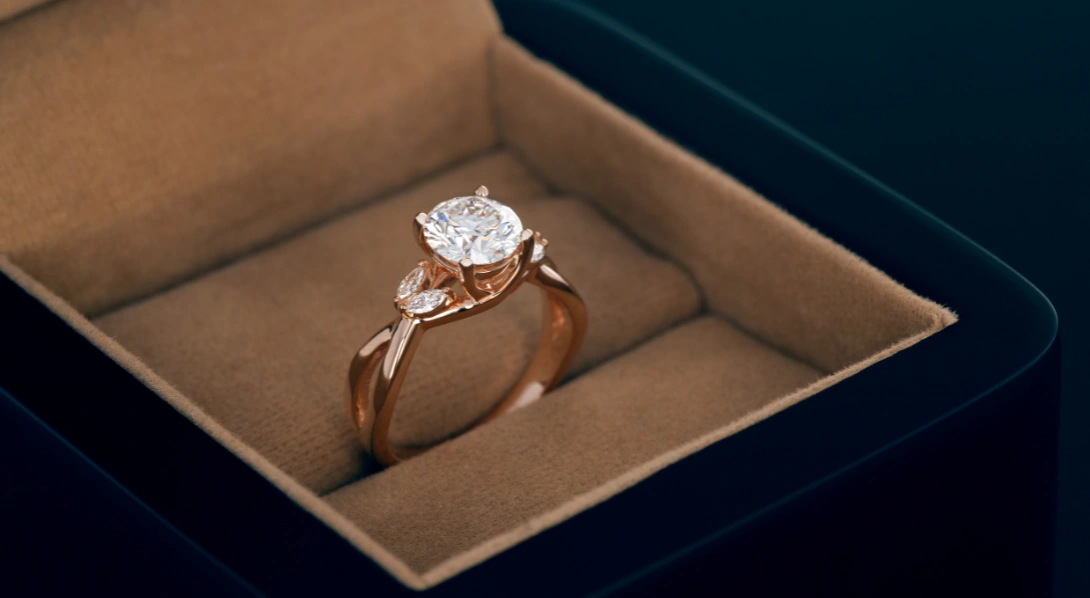
In contrast, during hot weather, your blood vessels may expand, which means fingers swell to a small degree. While you won’t lose your ring in this instance, it could make removing it later very difficult. If your ring is stuck on your finger so badly that it cannot be removed, you may end up needing to have the ring cut from your hand.
What Do You Do with Your Engagement Ring When You’re Not Wearing It?
Keep your ring safe while you’re not wearing it by properly storing it in a secure location, such as a ring dish, jewelry box, or safe.
If you’re only taking your ring off for a few moments, such as when you’re washing dishes or applying lotions, simply place it in a ring dish for the time being. (Just be careful to keep an eye on it and don’t leave the dish anywhere near a sink where the jewelry can fall down the drain.)
If you’re not wearing your ring for a longer amount of time, such as if you have a day of heavy lifting as you move into a new home, store the ring in a safe place that’s slightly more secure, such as in a jewelry box tucked away out of sight, or in a safe or lockbox.
Is Wear and Tear Normal for an Engagement Ring?
Yes, even if you know when to not wear your engagement ring and dutifully remove it under the right circumstances, wear and tear is still possible and normal, especially if you’re wearing your engagement or wedding ring every day. Body oils may dull your ring’s shine and small scratches can occur during normal, day-to-day activities.
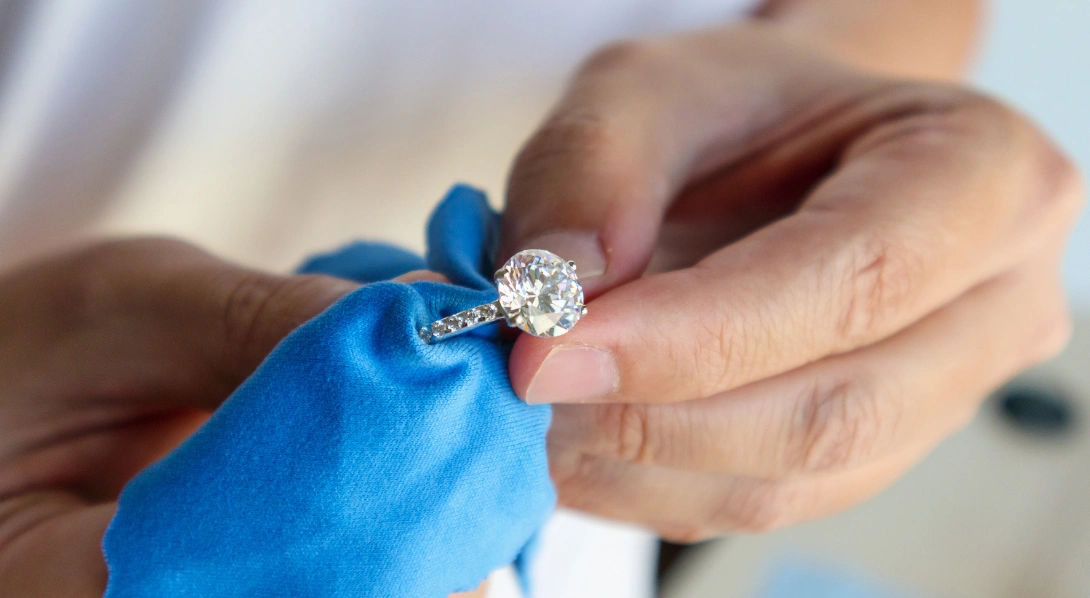
You can prevent wear and tear from turning into extensive damage with regular cleaning at home and via professional ring care. You should take your ring into a professional jeweler at least once yearly but ideally every six months. At home, you can give your ring a light cleaning using a soft brush, mild soap, cold water, and a soft polishing cloth.
Are There Other Situations Where It’s Okay to Remove Your Ring?
Beyond taking off your engagement ring to prevent damage, don’t feel as if you need to constantly wear your ring, either. It is perfectly fine to take your engagement ring off any time that it gives you peace of mind to do so, such as if you’re worried about potential wear and tear, or if you’re simply more comfortable not wearing jewelry.
Many individuals only wear their engagement ring when leaving the house, for example, and may not wear it when going about their day-to-day activities.
If you’d rather not wear your engagement ring on a more frequent basis, you may want to discuss your feelings with your partner, so as to prevent any misunderstandings.
When Should You Take Your Engagement Ring Off FAQs
Can You Swim with an Engagement Ring?
No, you should not swim while wearing your engagement ring since chlorinated water, fresh water, and salt water can all damage it.
Can You Shower with an Engagement Ring?
You should not shower with your engagement ring. Beyond the hot water, you’ll also be exposing that dazzler on your left hand to body oils, hair products, soaps, and similar substances that have chemicals that can damage your ring.
How Do You Clean an Engagement Ring?
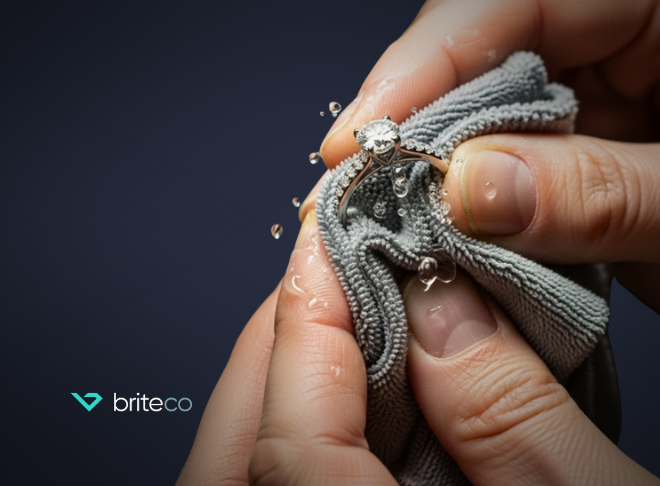
You can easily clean your engagement ring at home by using a soft-bristled toothbrush, cold water, and mild soap to gently wipe the ring’s nooks and crannies. Then, rinse it in clean water and buff it dry with a soft cloth.
When Is It Okay to Take Off Your Engagement Ring?
It’s okay to take off your engagement ring at any time, even eyond doing so for protective and preventative reasons. But it may be best that you and your partner discuss why and when you feel most comfortable wearing your ring.
What Happens if You Don’t Take Off Your Engagement Ring?
Not removing your engagement ring during risky situations can lead to it becoming damaged or lost, and day-to-day activities can result in discoloration, dullness, lost stones, and scratches. Additionally, wearing a ring during cold temperatures, even if it’s the right size, can lead to the ring slipping off and becoming lost.
Always Protect Your Engagement Ring with Jewelry Insurance
Knowing when to take off or protect your ring — such as when you’re engaging in strenuous physical activity, when exposing your hands to anything beyond plain water, or when going out into the cold or heat — can help prevent damage and loss. However, even the most protective measures can still fall short, which is where engagement ring insurance comes in.
BriteCo’s comprehensive coverage will cover the full cost of repairing or replacing your engagement ring in the event that it’s lost, stolen, or damaged. Learn more and get your quick engagement ring quote now.
Related Articles:
Should You Solder Your Wedding Rings?
The Most Famous Stolen Jewelry in History
Iconic Engagement Rings for New York’s Finest
The History Of Engagement Rings
How to Wear an Eternity Ring
Wedding Rings: Should I Get Insurance?
Quiz:
The Engagement Ring Calculator You’ve Been Searching For and it’s FREE!

UP NEXT: What are the Odds of Losing or Damaging Jewelry?

Author