Kashmir Sapphire Vs. Ceylon Sapphire: Is There a Difference and Does It Matter?
When you think of a sapphire, you might simply think of a deep blue gemstone. However, while they’re known for their striking blue hue, sapphires come in many colors. Various types of sapphires display a range of “fancy” tones, from orange to pink, green to white.
Beyond these visual differences, though, not all blue sapphires are even the same. Two of the most notable types are Ceylon sapphires and Kashmir blue sapphire gemstones. So which should you buy?
Here are the Kashmir sapphire vs. Ceylon sapphire key differences explained.
What You Will Learn
- What Are Ceylon Sapphires?
- Notable Ceylon Sapphires from History
- What Are Kashmir Sapphires?
- Notable Kashmir Sapphires from History
- Ceylon Vs. Kashmir Sapphire Key Differences
- So, Should You Buy a Ceylon or Kashmir Sapphire?
- Kashmir Vs. Ceylon Sapphire FAQs
- Keep Your Fine Jewelry Protected with Specialized Jewelry Insurance
What Are Ceylon Sapphires?
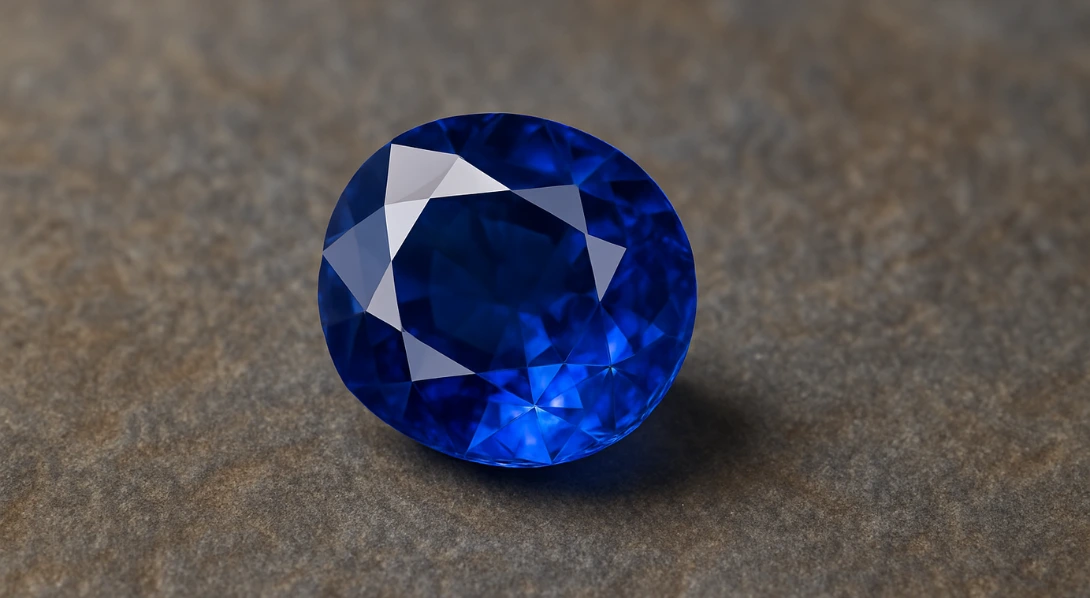
First and foremost, it’s important to establish that Ceylon sapphires are just as well-known and often compared to Kashmir blue sapphires. However, like sapphires in general, Ceylons aren’t exclusively blue. In fact, the name “Ceylon” refers to the gemstone’s point of origin — it’s the historical name for Sri Lanka, where you can find more than just blue sapphires.
That said, Ceylon sapphires are highly valuable, and there are a couple of different types:
- Cornflower blue sapphires: These sapphires exhibit a lush velvet cornflower shade
- Royal blue sapphires: These sapphires offer a darker, richer hue
Both of these varieties are considered some of the finest sapphires in the world and can fetch per-carat prices worth thousands of dollars.
You can also find Ceylon sapphires in light blue, yellow, green, purple, and orange shades. Pink Ceylon sapphires are prized, as are Padparadscha sapphires, which exhibit a mix of pink and orange tones. Padparadscha sapphires are some of the rarest and most valuable in the world.
Sri Lanka is additionally one source of color-changing sapphires, which, as the name implies, are sapphires that subtly change hues depending on the lighting. Star sapphires can also be found in Sri Lanka; they exhibit a star-like pattern due to inclusions within the gem.
Notable Ceylon Sapphires from History
There have been notable Ceylon sapphires throughout history. Princess Diana’s royal blue Ceylon sapphire engagement ring is one of the most stunning, featuring a 12-carat oval sapphire with a diamond halo and white gold band. Now, the ring belongs to Kate Middleton.
Also in the British family, there’s the royal blue sapphire and diamond brooch worn by Queen Victoria and, later, Queen Elizabeth.
Other record-breaking Ceylon sapphires include the 423-carat Logan Sapphire and the 536-carat Star of India. The Logan Sapphire currently belongs in the collections of the Smithsonian Institution, and you can sometimes see it on display at the National Museum of Natural History in Washington, DC.
What Are Kashmir Sapphires?
Like Ceylons, Kashmir sapphires are named for their point of origin. Kashmir is a region of India that is home to part of the Himalayan mountain range. Sapphires were discovered in the region in the late 19th century, after which mining operations quickly followed. However, the mines are mostly dormant now. As such, Kashmir sapphires are becoming increasingly rare, and few new ones are being discovered or are coming into the market. At auction, Kashmir sapphires routinely fetch millions of dollars.
Likewise, while the Kashmir blue sapphire might be the most well-known and the most valuable, blue isn’t the only color seen in Kashmir sapphires. In general, Kashmir sapphires feature a very deep, velvety blue, and their unique color under light sets them apart from sapphires sourced elsewhere in the world.
Notable Kashmir Sapphires from History
One exceptionally notable Kashmir sapphire is the Jewel of Kashmir, weighing more than 27 carats and paired with pear-shaped diamonds in a white gold ring. This sapphire sold at auction in 2015 for nearly $7 million, a world record at the time.
While not selling for quite the same amount, a pair of cushion-cut Kashmir sapphire earrings, dating back to the 1800s and once belonging to a European princess, also sold at auction the same year for just under $2 million.
Ceylon Vs. Kashmir Sapphire Key Differences
So, when considering Kashmir vs. Ceylon sapphires, what are the key differences? And which should you buy if you can afford these gemstones? As it is, both a Kashmir and Ceylon sapphire could be considered a rare gem whose value far surpasses what you’d find from a mine in Australia or Montana, so should you really be picky?
The difference Kashmir vs. Ceylon sapphires exhibit can be broken down into a few key factors:

- Value: Ultimately, Kashmir sapphires are worth more than Ceylons.
- Variety: Ceylons have more color options, while Kashmir sapphires are mostly blue, and other colors are rarer and less valuable than the blue varieties.
- Rarity: While both sapphires are rare in their own right, Kashmir sapphires are rarer due to the limited mining within the region.
So, Should You Buy a Ceylon or Kashmir Sapphire?
You should buy the sapphire you like best and can afford! If you’re just looking at gemstones as an investment, though, you might want to purchase a Kashmir sapphire, as its value and rarity will very much likely cause the gemstone to increase in value and price over the decades to come.
Kashmir Vs. Ceylon Sapphire FAQs
What Is the Finest Authentic Blue Sapphire in Existence?
It depends on what you define as “fine.” However, the priciest sapphire is the Bleu Belle of Asia, a Ceylon sapphire weighing nearly 400 carats. It sold for over $17 million at auction.
What’s Better in Terms of a Ceylon Sapphire vs. Kashmir Sapphire?
Kashmir sapphires are considered to be more valuable and rarer than Ceylon sapphires. However, that doesn’t make them necessarily “better.” If you’re shopping for sapphire jewelry, pick the piece that speaks to you.
Are Sapphires Only Blue?
No, sapphires are not only blue. You can find sapphires, including Ceylon and Kashmir varieties, that come in various hues, including pink, red, orange, yellow, green, purple, and white. Some sapphires display star-shaped patterns due to unique inclusions and sapphires that display multiple tones at once. This is the case with color-changing sapphires and Padparadscha sapphires.
Where Are Ceylon and Kashmir Sapphires from?
Ceylon sapphires are sourced from Sri Lanka (Ceylon is the former name of Sri Lanka). Kashmir sapphires, meanwhile, come from the Kashmir region of India in the Himalayas.
How Much Do Ceylon and Kashmir Sapphires Cost?
Both types of sapphires have set records at auctions for their high prices. You can easily expect to pay multiple thousands of dollars per carat for these gemstones, starting at the low end. Ultimately, a sapphire’s cost relies on much more than its origin. Other factors impacting sapphire price include color, clarity, cut, and carat weight — or the same 4 Cs used for diamonds.
Keep Your Fine Jewelry Protected with Specialized Jewelry Insurance
Protect your new jewelry investment — sapphire or otherwise — from life’s mishaps. This means going a step further than merely buying a jewelry safe or keeping your jewelry in a box when you’re not wearing it. You need jewelry insurance.
Whether you lose or damage your jewelry, it’s stolen, or mysteriously disappears, BriteCo’s comprehensive coverage can help in ways that your homeowners or renters insurance just can’t. Learn more and get your fast and easy jewelry insurance quote today.
Related Articles:
What is Tourmaline? A Quick Guide to the Popular Gem
What Is a Chalcedony Stone?
Are Green Sapphires Rare and What Do They Offer?
Difference Between a Jewelry Warranty and Jewelry Insurance
Moissanite vs Diamond vs Lab: How to Choose?
Cubic Zirconia vs. Moissanite
Appraisal Tool:
The Easiest Way to Get a Professional Jewelry Appraisal Valuation!

UP NEXT: What are the Odds of Losing or Damaging Jewelry?

Author