Are Green Sapphires Rare? A Quick Guide to These “Fancy”-Colored Gems
When most people hear the word “sapphire,” they naturally think of blue sapphires. The name “sapphire” comes from the Greek word “sappheiros,” which means “blue stone.” But the reality is, this gemstone comes in a vast range of colors. There are pink sapphires, yellow sapphires, orange sapphires, white sapphires (which are really just colorless sapphires), and, yes, even green sapphires.
While green hues of this mineral are definitely rare, they’re not impossible to find. Here’s all you need to know about how they are formed, where they are found, and perhaps the most important detail of all: green sapphire prices.
What You Will Learn
Can Sapphires Be Green? Yes — Here’s How
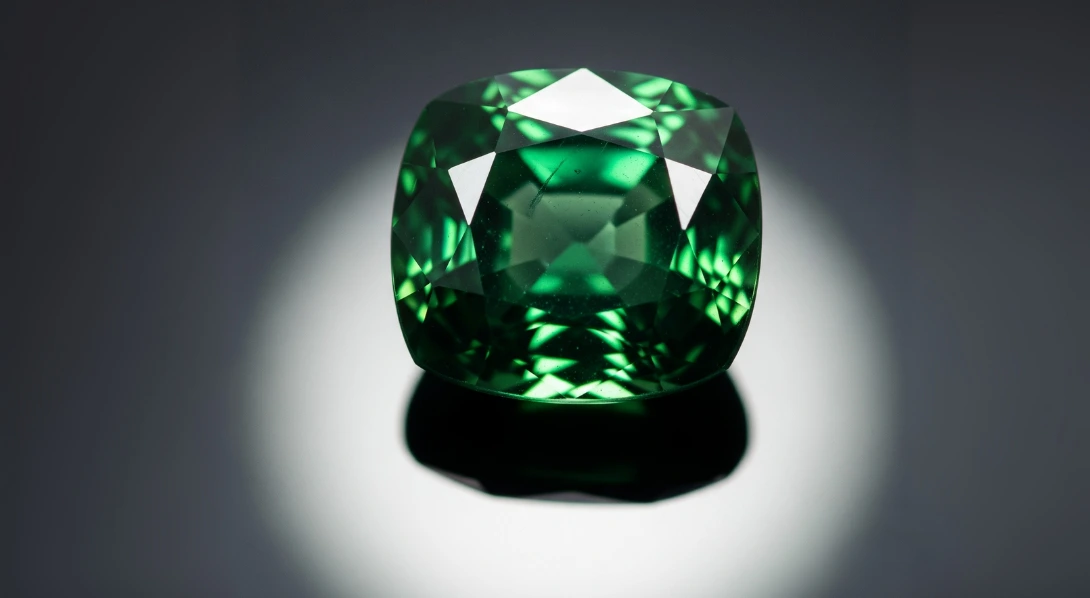
Yes, a sapphire can be green. Sapphires get their distinct colors from specific amounts of elements within their makeup. Green stones get their green hues from varying amounts of iron deposits in the earth where they are mined, which is typically Sri Lanka, Australia, Thailand, and Tanzania.
Green Sapphires: Rare Feat of Science
If you’re curious about the science, a sapphire is a type of corundum, a mineral that contains a unique blend of elements such as silicon, iron, cobalt, and more. While a corundum is referred to as sapphire when it appears as blue, yellow, purple, orange, gray, black, clear, or green, red corundum actually goes by another popular name: ruby. (Corundum stones that exhibit lesser shades of red may be called pink sapphires while Padparadscha sapphires have pink/orange/peach undertones.)
Green sapphires are extremely rare compared to some other colored corundum, including blue sapphires. But, in addition to sapphires that exhibit only one dominant color, such as green, others display secondary colors. These are known as parti sapphires. Some also display asterism qualities, which result in a star-like shape within the gemstone.
And then there are those known as color-change sapphires, which means the stone isn’t the same color when exposed to different lighting. For example, they appear as a typical blue sapphire under fluorescent light, and as a violetish purple shade under incandescent light.
As you can see, sapphires display many different hues and appearances, and green is just one option among these many colored gemstones.
What Are the Characteristics of a Green Sapphire and How Much Do They Cost?
As is the case with diamonds, green sapphire cost is often directly related to a few characteristics and quality factors, namely:
- Clarity
- Cut
- Color (including color saturation)
- Carat weight
The greater the clarity, the larger the carat weight, the finer the cut, and the more vivid the color, the more expensive it will be. The rarity of the gem also affects the green sapphire price, too.
An extremely rare green sapphire with rich color, vivid saturation, exceptional brilliance, and stunning clarity may easily go for $10,000 per carat or more.
In comparison, blue-green sapphires will cost less, as they’re not as rare as green sapphires that exhibit a medium tone, a less desirable color than the preferred medium-dark tones
What Does Green Sapphire Mean?
Like many gemstones, green sapphire is associated with certain traits, emotions, and benefits that some believe will affect anyone wearing it.
Some believe green sapphire meaning may be connected to:
 It may also represent the natural world or new birth, which makes sense given the stone’s spring-like hue.
Should You Buy a Green Sapphire or an Emerald?
With so many other colored corundum options and other stones available, should you invest in a rare green sapphire, especially when an emerald is similar? It’s not uncommon to decide between a green sapphire and an emerald, as they appear similar. But one may be better for your needs and preferences than the other. Here are some key differences:
- Green sapphires are harder and more durable than emeralds
- Green sapphires generally exhibit a higher luster and greater brilliance than emeralds
- Green sapphires generally exhibit greater clarity when compared to emeralds
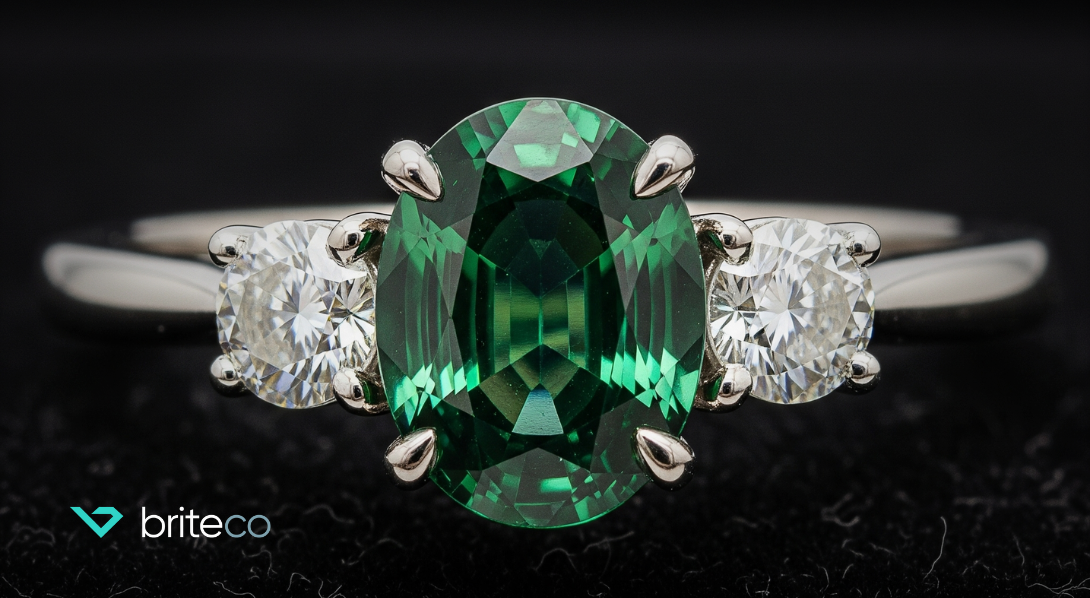
You’ll need to weigh the pros and cons before making your choice. If you decide to purchase a green sapphire, such as for an engagement ring, carefully consider other variables like the jewelry setting and band material, whether you choose white gold, yellow gold, rose gold, platinum, or otherwise.
Can Sapphires Be Green FAQs
What Are the Different Kinds of Sapphires?
There are all sorts of natural sapphires! And they’re not all just a light blue or blue color. There are teal sapphires, large blue sapphires, yellow sapphires, peach sapphires, and sapphires that display a blend of shades or secondary hues, such as Padparadscha sapphires, named for the Sri Lankan word for lotus blossom, thanks to their pink-orange hue.
What Colors Do Sapphires Come in?
Sapphires come in a vast array of colors, including all the different shades of blue and green (and greenish blue). Other sapphire colors include reddish orange, yellowish orange, reddish purple, reddish brown, orangy yellow, red orange, light red, and pure orange. It’s important to note, though, that pure conundrum in a red hue is actually a ruby, whereas a conundrum that exhibits shades of lighter red may be called either ruby or a pink sapphire.
Are Blue Green Sapphires Valuable?
Yes! All sapphires carry some inherent value, but the greener they are, the more pricey they will be. That’s because green sapphires are incredibly rare, and the demand drives up green sapphire prices. It’s common to see a specimen with perfect cut and clarity for more than $10,000 per carat.
What Is Color Zoning in Sapphires?
Color zoning refers to uneven color distributions or patterns within a gemstone. Examples include angular zoning, which creates sharp angles and edges of color within a stone. There are also stripes and cloudy zoning, wherein the stone’s color appears cloudy in certain spots.
Are Sapphires Heated Stones?
Most sapphires, no matter their color, are heat-treated before being used for jewelry to improve the stone’s look. When heat-treated, a gemstone is exposed to temperatures of upwards of 3,000 degrees Fahrenheit, which can remove any undesirable inclusions, resulting in overall greater clarity. In addition to sapphires and rubies, many other gemstones are heat-treated, including tourmaline, topaz, tanzanite, amethyst, and aquamarine.
Protect All Your Sapphires with Specialized Jewelry Insurance
Whether you pick one of the many sapphire colors or color combinations, or a completely different gemstone, you’ll want to keep it safe from damage, theft, mysterious disappearance, loss, and other mishaps with specialized jewelry insurance.
It’s not enough to rely on homeowners insurance, renters insurance, or even just keeping your jewelry in a safe while you’re at home. Homeowners and renters insurance policies rarely pay out enough for jewelry-related claims, and your jewelry is at its greatest risk when you’re wearing your pieces out and about in daily life.
Learn more and get your specialized jewelry insurance quote now.
Related Article:
Get a Quote:
The Easy Way to Insure Your Jewelry - and Save Money!
UP NEXT: What are the Odds of Losing or Damaging Jewelry?

Author