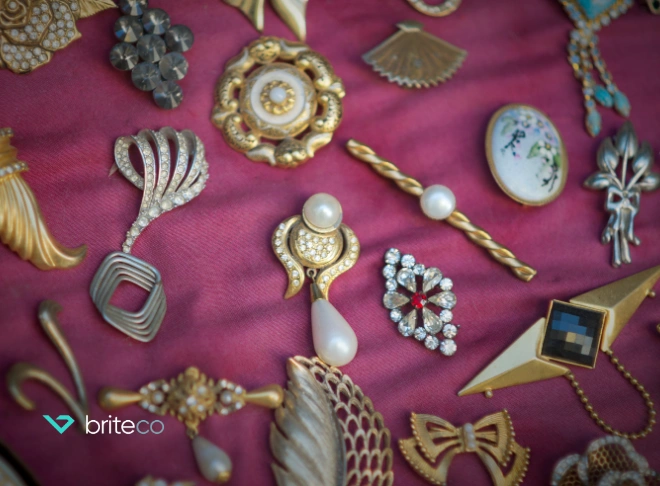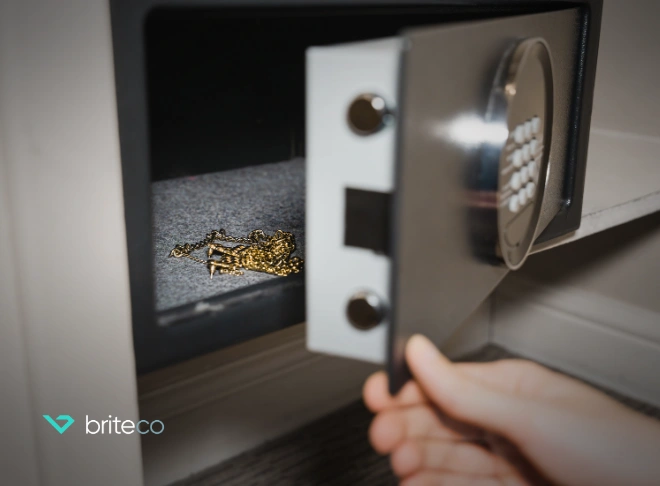
The safest way to store expensive jewelry is by keeping each piece separate, dry, protected from scratches, and secured in the right place based on how often you wear it.
The two primary rules:
- Daily-wear jewelry can be stored in a secure jewelry box, with pieces separated for protection against scratches and tangles.
- High-value and heirloom pieces need to be stored in a safe or vault.
“Throwing your jewelry into a drawer can lead to scratches and tangles, and even broken clasps,” advises BriteCo’s CEO and founder, Dustin Lemick, “A disorganized mess can make it easy to lose track of your favorite pieces. And a haphazard pile of jewelry isn’t exactly a stylish look.”
If you want to keep your valuable jewelry safe, there are a few actions you can take. First, adhere to damage prevention practices and consider a jewelry insurance policy so you’re covered if something does happen. How and where you’re choosing to store it is also important. A home safe is ideal for everyday protection, while a safe deposit box or bank vault is the best place to store jewelry not worn as often. Keep your up-to-date appraisals, photos, receipts, and insurance policy documents somewhere safe as well.
Let’s take a deeper look into responsible jewelry storage and the precautions you can take to keep your jewelry secure and looking pristine for longer.
What You Will Learn
- The Golden Rules of Storing Expensive Jewelry
- Why Proper Jewelry Storage Matters
- How to Store Each Piece Separately
- Best Jewelry Boxes and Organizers for Expensive Jewelry
- How to Prevent Tarnish, Humidity Damage, and Scratches
- Fine Jewelry Vs. Costume Jewelry Storage
- Where to Store Expensive Jewelry at Home
- Choosing a Home Safe for Expensive Jewelry
- Do I Need a Home Safe, a Safe Deposit Box, or a Bank Vault?
- How to Store Engagement Rings and Wedding Rings Safely
- How to Store Luxury Watches Safely
- How to Store Jewelry While Traveling
- Jewelry Inventory: Photos, Receipts, Appraisals, and Serial Numbers
- How Storage Can Affect Jewelry Insurance
- Maintenance Before Long-Term Jewelry Storage
- Jewelry Storage Mistakes to Avoid
- How to Store Expensive Jewelry Safely: Step-by-Step Checklist
- FAQs About Storing Expensive Jewelry Safely
- How to Store Expensive Jewelry Safely: Final Takeaway
The Golden Rules of Storing Expensive Jewelry
Expensive jewelry should be stored separately and securely to prevent scratches, theft, and accidental damage.
Here are the seven basic rules for proper jewelry storage:
- Store each piece of jewelry separately
- Keep jewelry in a dry place, away from humid spaces like bathrooms
- Avoid direct sunlight and heat
- Use jewelry containers with soft, non-abrasive interiors
- Store diamonds away from softer stones and/or metals
- Store frequently-worn pieces differently from rarely worn pieces
- Document all your jewelry before something goes missing
Paying attention to proper storage means you’ll be able to keep your jewelry safe and looking great for years to come.
Why Proper Jewelry Storage Matters
Careful storage protects jewelry from three primary risks: physical damage, environmental wear, and theft/loss. Your jewelry deserves to be cared for in a way that will best preserve its value!
If you don’t invest in proper care and storage, you can expect to see:
- Scratches
- Tangled chains
- Tarnishing
- Loose stones
- Bent prongs
- Missing pieces
Theft and accidental loss are among the most common causes for jewelry insurance claims, so jewelry protection starts with prevention!
How to Store Each Piece Separately

Store all your jewelry pieces separately so that metals, gemstones, chains, and settings do not rub, scratch, or tangle.
- Rings should be on ring rolls or in padded slots.
- Necklaces should be placed on hooks or in individual pouches
- Earrings should be placed in paired compartments
- Bracelets should be placed in flat trays or on padded rolls
- Watches should be in watch rolls, boxes, or winders (for automatic watches)
- Other gemstones, like loose stones, should be in labeled gem jars or similar secure containers
Always keep in mind that diamonds can scratch other jewelry, and softer gems need extra separation.
Best Jewelry Boxes and Organizers for Expensive Jewelry
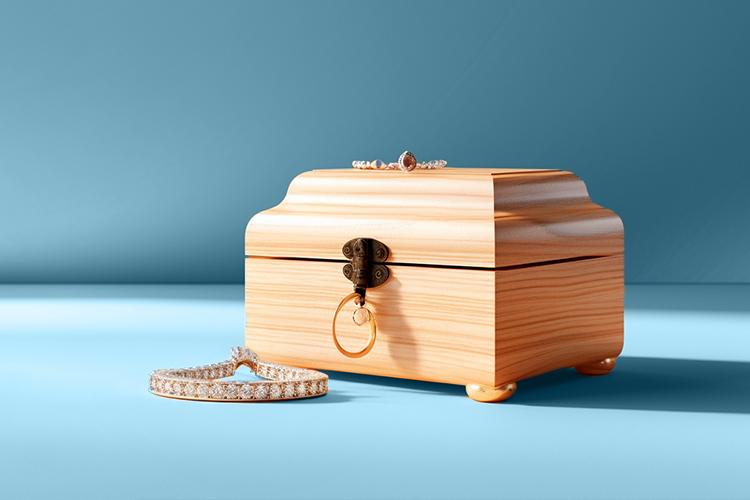
The best jewelry box for proper jewelry organization will feature a soft lining, multiple compartments, anti-tarnish features, and a design that prevents pieces from shifting.
When shopping for the perfect box to keep your jewelry organized, look for the following features:
- A suede, microfiber, or velvet-lined box
- Individual compartments
- Ring rolls
- Necklace hooks
- Earring slots
- Anti-tarnish lining or strips
- A lockable lid for basic privacy
- Stackable trays for collections
Then, be sure that you never:
- Use hard plastic containers without a lining
- Store jewelry in humid bathroom drawers
- Toss multiple pieces into one tray
- Leave high-value items out on countertops or in otherwise visible areas
How to Prevent Tarnish, Humidity Damage, and Scratches
To prevent tarnish and humidity damage, keep jewelry in a cool, dry place, in a box that provides soft lining, separate storage, and moisture control.
The latter is key, as humidity can speed up tarnish and corrosion. Silver pieces in particular can benefit from the use of anti-tarnish strips or pouches; adding silica packets to your jewelry box can also help reduce humidity and prevent discoloration.
Be sure to keep pieces out of direct sunlight, since light and heat can damage some stones and materials. Never store jewelry near substances like lotions, perfumes, chlorine, or household cleaners. These often contain harsh chemicals that can cause significant damage.
To keep your jewelry in pristine condition, always look for a storage solution that is:
- Cool
- Dry
- Low-light
- Away from humidity
Fine Jewelry Vs. Costume Jewelry Storage
Fine jewelry and costume jewelry differ in materials, value, and risk, so they come with different storage considerations. Fine jewelry is made from precious metals like gold and silver, while costume jewelry is more likely to be made from less valuable metals or rough materials. The latter may scratch or tarnish fine jewelry if the two are stored together.
- Fine Jewelry Storage: Use individual soft pouches or compartments for each piece, storing particularly high-value items in a home safe; you’ll also want to invest in an appraisal and jewelry insurance for optimum protection.
- Costume Jewelry Storage: Use trays or drawers, since your pieces will fare best in a space that’s dark and dry. You may want to invest in tarnish prevention materials like anti-tarnish strips or silica packets.
Where to Store Expensive Jewelry at Home
At home, high-value items and heirloom jewelry should be stored somewhere secure, discreet, and dry. For added security, it may also be helpful to store them somewhere where they’re difficult to remove quickly. Ideally, precious items that are rarely ever worn should be stored in a bank vault or safe deposit box, rather than at home.
For daily-wear pieces, store valuables in a lined jewelry box in a drawer or closet. BriteCo recommends that valuable items worn less regularly be stored in a home safe for added security.
Avoid storing any pieces in dresser-top jewelry boxes, open display stands, or in easily-accessible drawers that would be a thief’s first thought. Your bathroom and nightstand drawers really aren’t safe spaces at all. “Consider hiding your jewelry in unexpected places, repurposing vintage tins, decorative boxes, or even a medicine cabinet,” Lemick says. “You can also add hooks to the back of a door to hang necklaces and bracelets out of sight.”
And if you’re traveling, don’t keep expensive jewelry unsecured in your luggage.
Choosing a Home Safe for Expensive Jewelry
“A robust jewelry safe safeguards your treasures from theft and environmental hazards like fires, floods, and earthquakes,” Lemick says. A good safe should be difficult to remove, appropriate for the value of the jewelry stored, and practical enough that you’ll actually use it.
A secure, high-quality safe will:
- Be bolted to the floor or installed into a wall
- Feature burglar-resistant design
- Be fire-resistant/fire-rated
- Include interior lining or trays specifically for holding jewelry
- Offer additional space or boxes for luxury watches
- Include a backup access method
- Be placed in a discreet location
When you buy a home safe, make sure to document your chosen option, including purchase and/or installation receipts. They may come in handy the next time you get a jewelry appraisal or insurance quote.
Some insurance providers may offer discounts if you store your jewelry in a safe or have a home security system. Learn more about how home security systems affect jewelry insurance costs.
Do I Need a Home Safe, a Safe Deposit Box, or a Bank Vault?
Use a home safe for valuables you wear regularly. A bank safe deposit box or a bank vault is best for pieces you don’t need to access often.
| Storage Type | Best For | Accessibility | Security Level | Insurance/Documentation Considerations | Downsides |
|---|---|---|---|---|---|
| Home Safe | Daily or weekly-wear high-value pieces | Easy access | Higher security than basic storage | No paperwork is required to set this up, and it may lower your insurance premiums | Still leaves pieces vulnerable |
| Safe Deposit Box | Rarely worn high-value pieces, including heirlooms and collections | Limited access | Strong, off-site security | Renting a safe deposit box typically requires a photo ID and your Social Security/Tax ID number. Use may lower your insurance premiums | Limited access |
| Bank Vault | Rarely worn high-value pieces, including heirlooms and collections | Limited access | Strong, off-site security | To gain access to a bank vault, you’ll typically need a photo ID, a signed access agreement, and documentation linking you to the account. Use may lower your insurance premiums. | Limited access |
It’s worth noting that your choice of storage solution is likely to affect how much you pay for jewelry insurance. But how much does jewelry insurance cost? Simply put, your premiums will depend on the value of the pieces in question, among other things. Get a free quote now.
How to Store Engagement Rings and Wedding Rings Safely
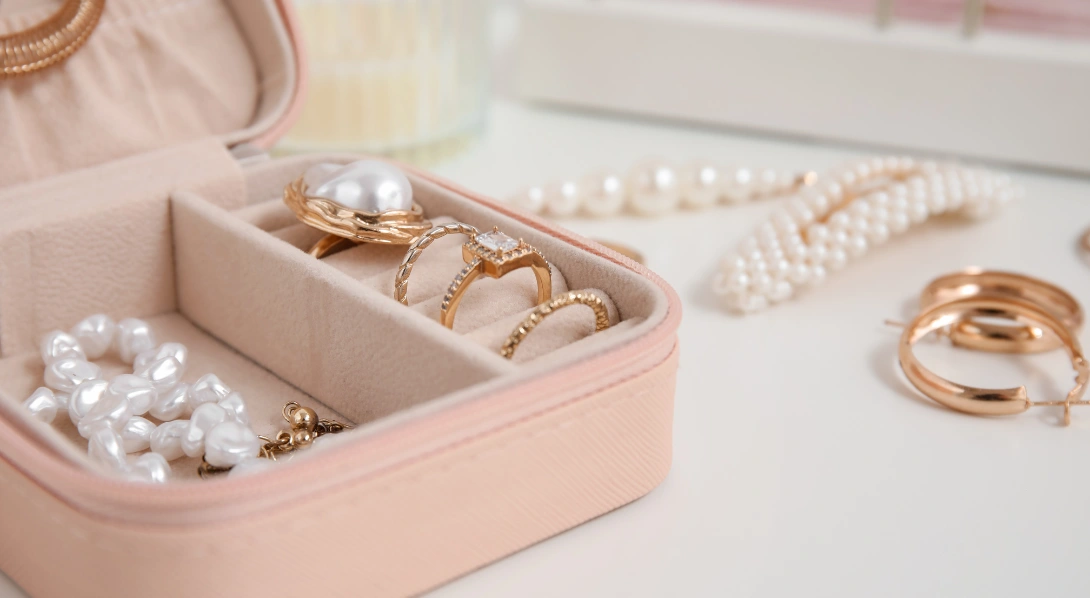
Expensive jewelry ought to be safeguarded properly, so store engagement rings and wedding rings in the same safe spot every time you remove them. The same applies to any other specific pieces you may not be planning to wear for some time. This helps mitigate the risk of loss, theft, and mysterious disappearance.
While ring holders and jewelry dishes may be appropriate in low-risk scenarios (like if you remove your rings before working out in your private home gym), they should never be near sinks or drains. It’s also best to avoid storing rings loose in pockets or bags, since these can damage the rings’ metals and/or diamonds. Instead, opt for ring boxes or padded slots. Always keep engagement rings away from lotions, cleaners, and chlorine.
If you’re not wearing your rings for an extended period of time, opt to use a home safe, and make sure you’ve got comprehensive engagement ring insurance before wearing your ring daily or traveling.
How to Store Luxury Watches Safely
Like fine jewelry, luxury watches should also be stored in a padded, dry, and secure space. Ideally, these should be lined with soft fabric to protect the watch case, crystal, and bracelet from damage caused by movement. It’s also wise to keep any related watch documentation (like your watch insurance policy) in the same box.
When storing a luxury watch:
- Opt for a watch box featuring a soft cloth interior or a watch roll
- Consider using a watch winder for automatic watches
- Avoid storage solutions that might expose the watch to magnets, moisture, or extreme temperatures
- Keep service records and serial details in the same spot
- Use a home safe for seldom-worn watches
- Use a travel watch roll when traveling with a watch
How to Store Jewelry While Traveling
You may want to bring along some of your favorite pieces of jewelry while traveling. If this is the case, bring only the jewelry you definitely plan to wear during your trip, and leave anything else in secure storage. Keep what you do bring in a padded case that stays with you whenever possible. “Travel-friendly jewelry cases offer padded compartments and secure closures,” Lemick says, “protecting your pieces from damage and loss during transit.
There are multiple ways you can store and keep jewelry safe while traveling:
- Use a zippered padded jewelry case
- Keep jewelry in your carry-on, not in your checked luggage
- Photograph what you’re bringing ahead of time, so you have a record of it
- Avoid leaving pieces loose in hotel rooms
- Use hotel safes cautiously and document what you store in the safe
- Keep your jewelry appraisals and photos accessible digitally while traveling
- Confirm that your jewelry insurance provides worldwide coverage before travel
But does travel insurance cover lost jewelry? In many cases, no, which is why it’s so important to have specialized jewelry insurance. BriteCo provides worldwide coverage for comprehensive jewelry protection, so you’re protected no matter where you go.
Jewelry Inventory: Photos, Receipts, Appraisals, and Serial Numbers
A jewelry inventory is integral to keeping track of your jewelry collection. Take accurate note of what you own, what it’s worth, and what you’d want repaired or replaced if something were to happen.
As you create your jewelry inventory, it’s essential to compile:
- Clear photos from multiple angles
- Receipts or invoices
- Current appraisals
- Lab or grading reports
- Serial numbers for watches
- Repair records
- Safe and/or security details
- Where each item is stored
Having a professional, up-to-date appraisal helps guarantee your jewelry is insured for its true replacement value, so that you won’t be surprised by any out-of-pocket costs at claim time. Online jewelry appraisals make this process quick and convenient.
How Storage Can Affect Jewelry Insurance
How you store your jewelry can affect your insurance policy; how you protect your jewelry at home may affect the risk associated with your coverage, and therefore, how much jewelry insurance costs.
Some insurers may provide discounts of up to 10% if you use a home safe and have a home security system, which is why it’s wise to share your safe specs and storage details during the underwriting process. This is also why it’s recommended that high-value pieces you don’t wear often are better off in a safe deposit box or vault.
If you make a claim on your policy, having documentation to prove how you store and protect your jewelry may aid in the claim being processed more quickly and easily.
Maintenance Before Long-Term Jewelry Storage
Before storing expensive jewelry long-term, inspect and clean it so that small issues do not become bigger problems while the piece goes unworn. You don’t want gemstones, pearls, or precious metals deteriorating while they’re in storage, since they likely won’t be receiving the regular cleaning and maintenance that you might afford your daily-wear pieces.
Before storing any piece of jewelry:
- Take it in for a professional inspection of the prongs and clasps
- Invest in tightening for any gems, if needed
- Give the item a gentle clean
- Ensure the piece is completely dry
- Keep all pieces separate within your chosen storage solution
If, during maintenance, the piece needs to be changed or updated in any way, be sure your appraisal reflects that.
For current customers, BriteCo covers preventive maintenance such as prong retipping, clasp replacement, and stone tightening.
Jewelry Storage Mistakes to Avoid
The biggest mistake when storing your jewelry is treating valuable pieces like ordinary accessories. To ensure your pieces are stored correctly, follow these tips.
Top jewelry mistakes to avoid:
- Leaving jewelry on dressers or counters
- Storing jewelry in bathrooms
- Tossing pieces together
- Traveling with too much jewelry
- Keeping heirlooms in obvious hiding spots
- Forgetting appraisals/photos
- Not using a safe for high-value pieces
- Not insuring pieces worn daily
A quick way to remember jewelry storage best practices: Separate, Secure, Document, Insure. Always store pieces separately and individually, choose a secure storage method, document each piece’s value fully, and insure all high-value pieces.

How to Store Expensive Jewelry Safely: Step-by-Step Checklist
To store expensive jewelry safely, choose a storage method specifically designed to cater to the piece’s value, how frequently you wear it, and the risk of loss, theft, and damage.
- Sort fine jewelry from costume jewelry
- Separate pieces by type and material
- Choose a lined jewelry box for daily pieces
- Use anti-tarnish pouches/strips where needed
- Store high-value items in a secure safe
- Put rarely worn heirlooms in a bank vault or safe deposit box
- Keep an inventory with photos, receipts, and appraisals
- Review jewelry insurance coverage and storage discounts
Still need jewelry insurance? Check your price now.
FAQs About Storing Expensive Jewelry Safely
Should I store expensive jewelry in a home safe?
Yes, expensive jewelry that is not worn daily should be kept in a home safe, alongside your jewelry documentation, including appraisals. For jewelry that is exceptionally high value or an heirloom, and worn even less frequently, consider a bank safe deposit box or vault.
Is a safe deposit box better than a home safe for jewelry?
If you don’t plan to wear the jewelry often, a safe deposit box can be a more secure option than the average home safe.
How do I stop necklaces from tangling in storage?
To stop necklaces from tangling, don’t store them together. Instead, store each necklace separately.
How should I store engagement rings when I’m not wearing them?
When not being worn, store engagement rings in soft-lined, individual boxes in a secure jewelry box that’s out of sight and not in a predictable hiding place.
Can safe storage lower jewelry insurance costs?
Yes, if you use a home safe to store your jewelry, a jewelry insurance provider may give you a discount on your premium. You may also receive a discount if you use a home security system.
How to Store Expensive Jewelry Safely: Final Takeaway
Expensive jewelry often has value that goes beyond its retail price, marking special occasions, milestones, and impactful life events. It follows, then, that it’s important to follow as many best practices as possible to keep it safe and in good condition!
Store expensive jewelry separately, dry, and securely, using soft-lined storage for daily pieces, a home safe for high-value pieces, and a safe deposit box or bank vault for rarely worn heirlooms.
The safest jewelry storage plan combines secure physical storage with updated documentation, routine maintenance, and jewelry insurance for loss, theft, damage, and mysterious disappearance.
Next steps:
- Photograph and document all of your valuable pieces.
- Invest in safer storage for all high-value and rarely worn jewelry.
- Review your current insurance coverage and see if you qualify for safe or security discounts.
Check your price for specialized, standalone jewelry insurance now.
Get a Quote:
The Easy Way to Insure Your Jewelry - and Save Money!
UP NEXT: 1930s Jewelry Trends: A Guide to Art Deco Style

Author