How to Test if a Garnet Is Real: What You Need to Know
Genuine garnet is a richly hued gemstone often compared to ruby, but it’s usually much more affordable, durable, and widely available. Yet, it’s not uncommon to find fake garnets passed off as the real deal. So, how do you know what you’re buying?
Learn how to test if a garnet is real to ensure you’re getting only the best and most genuine garnet jewelry.

What You Will Learn
Getting to Know the Garnet Gemstone
Before we get into garnet testing, there are a few key details about authentic garnets that you may want to know.
While many recognize this gemstone for its deep red hue and resemblance to rubies, these silicate minerals (the most abundant kind found on Earth) aren’t always a true red. In fact, the garnet family, which is primarily sourced from Africa and Asia, is filled with varieties sporting different and equally beautiful hues.
There are many types and sub-types of garnets. Here are a few:
- Almandine garnets: These stones often appear red-brown in color.
- Pyrope garnets: These are what you think of when you think of true “garnets” — they’re the deep red gemstones likened to rubies.
- Spessartine garnet: These garnets can appear yellow, red, or orange.
- Grossular garnet: These types can appear green, yellow, or red. One kind of green Grossular garnet, the Tsavorite garnet, is particularly desirable.
- Andradite garnets: This garnet can carry a yellow, black, or green hue.
- Hessonite garnet:Sometimes also called the “cinnamon stone,” this garnet is reddish brown and has very visible inclusions.
Given all the differences in varieties and appearances, you can’t rely on just a garnet’s color alone when trying to identify natural stones from their fake counterparts. That said, real garnet typically boasts a richer color than most fakes.
Another characteristic of garnets is that they are slightly less durable than diamonds or rubies, but still rank 6.5-7.5 on the Mohs scale, meaning they’re suitable for wearing in everyday jewelry like an engagement ring. However, you’ll still need to take care of it to avoid bumps and scratches.
Synthetic Garnets: Real Or Fake?
Another point worth noting is that synthetic stones are an option when shopping for garnet jewelry. However, don’t make the mistake of assuming that synthetic stones are “fake.”
Synthetic garnet is real garnet, just like a synthetic diamond is a real diamond. Synthetic garnets are simply produced in a lab rather than found on Earth. They are still structurally the same as a mined garnet, and a synthetic garnet can pass any garnet test that a mined garnet can pass.
In contrast, a truly “fake” garnet will be completely made of some other material. The fake garnet may actually be a slightly less valuable gemstone, such as spinel, or it may be something hardly valuable at all, such as glass or plastic.
Opting for a lab-grown gemstone instead of a mined gemstone comes with many benefits, including a lower cost.
Suggested Read: A Complete Guide to Gemstone Certification
How to Tell if a Garnet is Real Or Fake
So, how do you test whether a garnet is real? Here are a few simple things you can try at home.
1. The Scratch Test
While garnet is not impervious to damage, it will still hold its own against a light scratch. Take a sharp object, such as a nail, and scratch the top of the stone. You may also try rubbing a piece of sandpaper against it. If the stone scratches, it’s most likely not real garnet. (Caution: This test is risky and may damage the stone.)
You can also use the garnet to scratch another material, such as glass or steel. The real garnet will leave a mark behind, while a fake garnet will not.
2. The Magnifying Glass Test
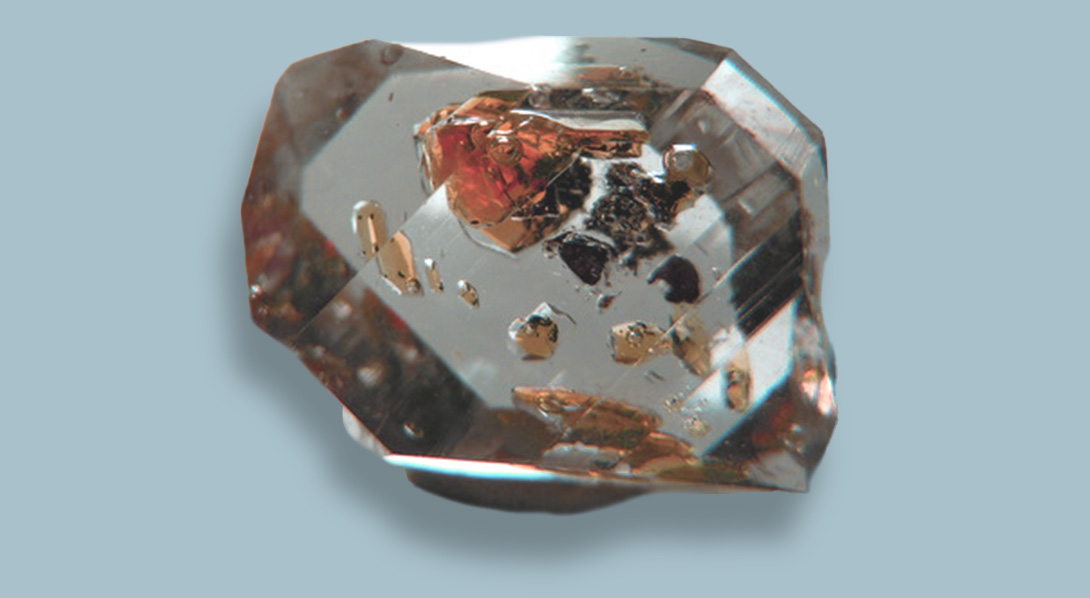
If you have access to a magnifying glass or a microscope, you can give the gemstone a closer look and examine the inclusions or the minor imperfections within the gemstone.
Natural inclusions are less common in red garnet than other garnet colors but may still be present. Regardless, natural inclusions will look a bit more random and less “neat” than inclusions that may appear in fake gemstones. Additionally, if your garnet has no inclusions whatsoever, that can also be a clue that it’s a fake.
3. The Reflection Test
Hold your gemstone up to a light source and see if it reflects the light. If it doesn’t, it’s likely not a real garnet.
4. The Boiling Water Test
Boil a small amount of water and then drop the garnet inside. A genuine garnet will be completely fine, but a fake knockoff will change beneath the high heat; it may lose its color or even melt.
Real Vs. Fake Garnets FAQs
Want just the quick details? Here are the basics you need to know about testing garnets for authenticity.
Are Real Garnets Always Red?
No, genuine garnets are not always red. Garnets come in various colors, with rarer hues appearing in green garnets, black garnets, and yellow garnets, among others.
Are Synthetic Garnets Fake?
No, synthetic garnets are not the same as fake garnets. Synthetic gemstones are made in a laboratory setting versus grown in the earth and mined. Synthetic gemstones, whether garnets, diamonds, or any other gemstones, are identical in makeup to their mined counterparts. However, because they’re easier and more affordable to produce, those cost savings are passed down to the consumer, meaning you can get a synthetic, very real gemstone for a fraction of the price you’d pay for the same mined gemstone.
What Are Fake Garnets Made of?
Fake garnets are typically made from cheaper materials, such as spinel, cubic zirconia, glass, or plastic.
How Can You Tell if a Garnet Is Real?
You can do a few things at home to test whether a garnet is real or not. First, give it a very close look. Hold it against a light source and check for the reflective properties characteristic of a real garnet. Then, if you have a magnifying glass, look further into the stone for inclusions; a lack of inclusions or too-neat inclusions could be a sign of a fake. Lastly, if you need further proof, try one of the riskier testing methods: Either scratch your gemstone against a hard object to see if it remains unharmed while scratching the other surface, or drop the gemstone into boiling water to see if it remains intact.
What’s the Best Way to Know if a Garnet Is Real?
Beyond any home garnet testing you could perform, the best way to know if a garnet is real is to take it to a professional to have them examine it.
Are Your Garnets Real? Protect Them!
If you’ve determined that your garnets are definitely real, make sure they’re adequately protected. Purchase a valuable jewelry insurance policy like those from BriteCo, which covers any theft, loss, or damage to the stone. With just a few short questions, you can get a proper jewelry appraisal, purchase your plan, and be covered the same day.
BriteCo offers affordable coverage for all types of jewelry. Get your quick quote today.
Related Articles:
A Quick Guide to Gem Inclusions
How to Tell if Pearls Are Real
How Do You Tell a Diamond from Cubic Zirconia?
Appraisal Tool:
The Easiest Way to Get a Professional Jewelry Appraisal Valuation!
UP NEXT: What are the Odds of Losing or Damaging Jewelry?

Author