The Diamond Color Scale: What It Means and How It’s Used
Four factors influence the cost of a diamond. Known as the 4 C’s, these factors include carat weight, color, cut, and clarity. Color is the most important and influential factor after carat weight.
The diamond color scale is a tool to evaluate a diamond’s color. In a certified diamond lab, an expert uses a set of master stones representing each color on the scale. From here, the diamond is compared between two grades until they determine the diamond’s color grade. Color grades run from D to Z, with the earlier in the alphabet, the better the color. (And, for white diamonds or colorless diamonds, a “better” color is none at all!)
Here’s everything you need to know about the color diamond scale and what a diamond’s color grade means.
What You Will Learn
The Diamond Color Chart: What Do the Grades Mean?
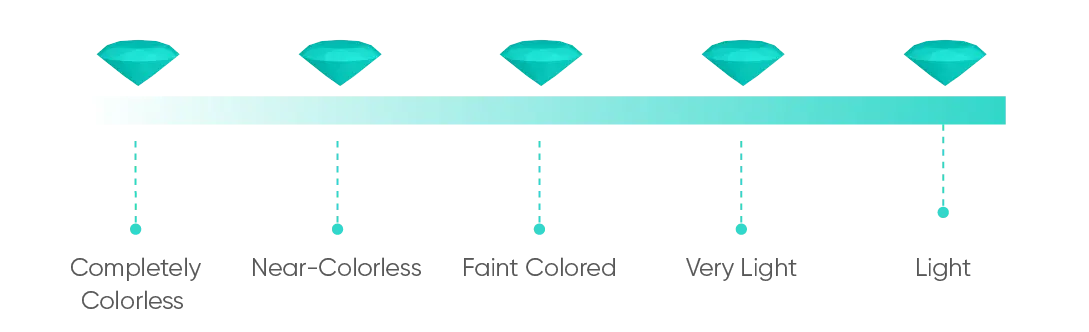
The official diamond colors chart is the GIA color scale. The GIA is the Gemological Institute of America, and the organization issues industry-standard diamond grading reports that verifiably tell you everything you need to know about a diamond before you buy it. The GIA diamond stone color chart consists of five categories.
The BriteCo Jewelry, Diamond, & Watch Price Index 2026 shows G-H as the most common natural diamond color range in 2025 at 40.6%. D-F followed at 27.2%, while I-J accounted for 25.6%. This natural diamond color data reflects the most common color grades seen in recent appraisals.
Completely Colorless Diamonds
The first category on the diamond color grading scale is “colorless.” This category includes D-color diamonds, E-color diamonds, and F-color diamonds.
As the name suggests, a colorless diamond will be colorless or lacking in yellow or brown color. To the untrained eye, you won’t be able to notice a particular difference between a D-color diamond and an F-color diamond; however, minute differences in diamond color grade still exist.
Colorless diamonds, especially those with a D grade, are the most valuable and, thus, most expensive.
Near-Colorless Diamonds
Near-colorless diamonds are the next category in diamond color grading. This category includes all G-color diamonds, H-color diamonds, I-color diamonds, and J-color diamonds.
A near-colorless diamond will have a very slight tint. However, that color is nearly impossible to distinguish with the naked eye. As such, if you’re shopping on a budget, you may want to consider an I or J color diamond, as you’ll be able to get it at a lower price without sacrificing all too much (if anything) in appearance.
Faint Colored Diamonds
The “faint” category is next up on the diamond chart. This category includes K-color diamonds, L-color diamonds, and M-color diamonds. The colors of diamonds in this category will show a very faint yellow tint that is visible to the naked eye.
Very Light Diamonds
The next category is “very light.” These diamonds receive grades from letters N to R. All of these diamonds feature a very light yellow or brown hue.
Light Diamonds
Lastly, there’s the “light” category, which includes diamonds with letter grades S through Z. With a “light” diamond, the diamond’s color is yellow or brown. Sometimes, these diamonds are also called champagne diamonds. Light diamonds are the most affordable of white and colorless diamond colors.
What About Fancy Colored Diamonds?
When it comes to color grading diamonds, the standard diamond color chart only applies to a clearly defined narrow range of colors, from completely colorless to yellow diamond and light brown diamonds. However, mined diamonds come in a wide range of hues beyond this so-called normal color range.
Fancy color diamonds are diamonds that do not fit into this standard color range and include diamonds such as:
- Blue diamonds
- Pink diamonds
- Green diamonds
- Black diamonds
- Orange diamonds
Typically, fancy color diamond grading depends on the intensity of color, so the darker and richer the hue, the more valuable.
How to Make a Diamond with a Poor Color Grade Appear Less Yellow
If you’re shopping for a diamond ring on a budget, you may find that your budget only allows for a diamond on the lower end of the color scale. If you don’t prefer the slightly yellow tint of a faint or very light diamond, there are ways you can reduce the yellow appearance.
For example, you can pair the diamond with a rose gold or yellow gold ring. The metal band color can detract from the diamond’s color, making it less noticeable than it might be when paired against a stark white gold or platinum band.
You might also consider shopping for lab-grown diamonds instead of natural diamonds. Lab-grown diamonds are more affordable than natural diamonds, so you may be able to afford a diamond with a better color grade.
Diamond Colors FAQs
What is the Color Scale for Diamonds?
The diamond color scale is an industry-standard grading system for white or colorless diamonds. The scale ranks diamonds from grade D to Z. As you near the end of the alphabet, the more color is in the diamond.
What Does a Diamond Ring’s Color Grade Refer to?
A diamond ring’s color grade refers to the ring’s center diamond color. Better grades are earlier in the alphabet, and grades run from D to Z. A higher color grade is often accompanied by a higher price tag, but that’s not always the case.
What Factors Contribute to a Diamond’s Cost?
Four main factors impact a diamond’s cost: carat weight, color, clarity, and cut (or diamond shape). However, other factors can affect diamond cost, such as cut quality, fluorescence, polish, symmetry, and grading reports.
What’s the Best Diamond Color?
While the industry prefers completely colorless diamonds, prizing them above all others and giving them higher price tags, what diamond color you prefer is up to you! You may choose the more affordable champagne diamonds with slightly yellow-brown tints for your gold band versus the colorless diamond at twice the cost, which will only reflect the yellow gold of your ring.
What is the Most Common Diamond Color?
Most diamonds you might buy in a jewelry store run from colorless to near-colorless, as these are the most in-demand.
Protect Your Diamonds
Whatever color diamond you prefer, whatever type of diamond jewelry you’re shopping for, protect every piece of jewelry you own with comprehensive jewelry insurance.
BriteCo’s specialized jewelry insurance will protect your jewelry collection from unfortunate incidents such as loss, theft, and mysterious disappearance. Get your quick quote now.
Related Articles:
Different Pearl Colors: A Quick Guide
What Is the Most Expensive Diamond?
Mohs Scale Meaning & How It Impacts Gemstones
Lab Grown vs Natural Diamond Engagement Ring
How Much Is Opal Worth?
What Is The Rarest Type Of Diamond
A Complete Guide to Gemstone Certification
Get a Quote:
The Easy Way to Insure Your Jewelry - and Save Money!
UP NEXT: What are the Odds of Losing or Damaging Jewelry?

Author