Can Pearls Come in Different Colors? A Quick Guide to Different Pearl Colors
When you imagine a perfect pearl, you probably imagine a pure white sphere with a slight iridescent shimmer. Anything else is indeed a fake, right?
Not exactly. Color isn’t usually one of the several factors determining whether a pearl is real. Real pearls come in an array of different colors.
Here’s everything you need to know.
What You Will Learn
What Colors Do Pearls Come in Naturally?
Natural pearls come in a large number of surprising shades, including:

Some natural and cultured pearls feature multiple translucent colors at once.
What Makes Pearls Different Colors?
But what determines the color of pearls? There are a few things that determine a pearl’s color, including:
- The type of oyster the pearl formed inside
- The geographic location
- The environment
As such, you’re more likely to find specific pearl colors in certain bodies of water.
Natural and cultured pearl colors are sometimes manipulated to achieve a desired pearl color. Jewelry manufacturers may bleach pearls to remove blemishes or dye them. Pearls that do not need this type of work and naturally show off their hue are more valuable than those that have been color-treated.
Different Colored Pearls
White Pearl
When you think of classic pearl jewelry, you probably imagine white pearls. White pearls are easily the most popular pearl color, and they can appear slightly creamy. However, white pearls are also not uncommon to exhibit certain unique overtones and undertones. These undertones and overtones tend to range from green to blue or yellow to pink. White Akoya pearls, freshwater pearls, and South Sea pearls are all popular options for those looking to buy a natural white pearl.
Black Pearl
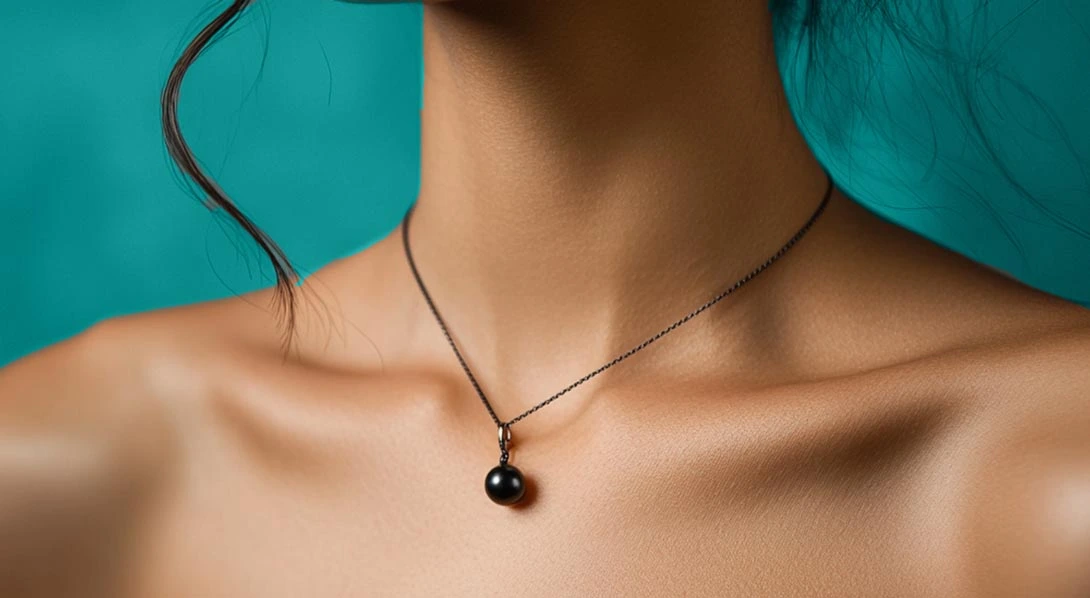
Black Tahitian pearls, freshwater pearls, and Akoya pearls are excellent options for someone looking for a striking natural color. Black pearls may be true jet black or feature iridescent colors with additional shades of blue, green, or silver.
Blue Pearls
Blue pearls are extremely rare. Suppose you’re looking at a South Sea, Tahitian, or Akoya blue pearl. In that case, you may see different pearl colors ranging from a very light silvery blue to a darker blue with green or near-black tones.
Golden Pearls
Gold is also a contender for the rarest pearl color. Gold pearls are additionally some of the larger pearls you can buy.
Purple Pearls
Purple pearls are found in freshwater lakes. Their colors range from light violet to dark royal purple.
Pink Pearls
Pink pearls are found in freshwater and form inside mussels. They have pink hues, with some having light orange tints.
Brown Pearls
The brown Tahitian pearl is also known as a chocolate pearl. These pearls’ colors can be naturally found or color-treated.
What Color Pearl Should You Add to Your Jewelry Collection?
So, which of the various pearl colors is the right fit for your jewelry collection? Before you begin shopping for pearl jewelry, consider:
Do you already own pearl jewelry?
If not, you may want to start with the classic color white. It’s a staple that belongs in every jewelry collection. If you own a piece of pearl jewelry, consider branching out with a new color.
What will look best with your skin tone?
Just like certain precious metals and gemstones may compliment one’s body color better than others, so is the case with colored pearls.
Those with fair complexions may want to choose a light or warm-colored pearl, such as a pink or orange pearl. Those with darker skin may prefer gold or white pearls. Those with cool skin tones may choose blue, silver, or pink-tinted pearls. Both black and white pearls look good on just about everyone.
How much do you want to spend?
Numerous factors determine how much a pearl costs and value, but color isn’t the primary deciding factor. Some pearl colors, such as the extremely valuable gold-colored South Sea pearls, may cost more than others.
Different Colors of Pearls FAQs
Do Pearls Come in Different Colors?
Yes! High-quality pearls come in a rainbow of shades, ranging from purple and pink to gold and black and beyond. A pearl surface may display multiple iridescent hues, depending on the lighting and position of the viewer.
Why are Pearls Different Colors?
Pearl color is determined at the time of pearl formation (unless the color is artificially manipulated). When a tiny piece of irritant enters a pearl oyster and its mantle tissue, the oyster begins building up thin layers of nacre. As more layers build, the nacre layers harden and become a pearl.
What Determines Pearl Quality and Value?
Multiple factors beyond color impact a pearl’s quality and value and, thus, cost. These factors include size, shape, luster, and surface quality.
Are Cultured Pearls Bad?
No! Cultured pearls undergo the same process as natural pearls. Still, the critical difference is that they are in a controlled environment. The “classic” pearls we are familiar with are typically cultured, and the cultured Akoya pearls are the most common. Akoya cultured pearls may be slightly pricier than others, but they’re considered an excellent value for the money.
Can Pearls Be Different Colors at Once?
Yes! Many pearls feature multiple undertones and overtones. So, depending on the lighting and how you view the pearl, you may see different shades beyond the pearl’s primary hue. For example, a black pearl may exhibit peacock-like undertones with shades of green, blue, or purple.
Protect Your Pearls
Now that you know why and how are pearls different colors, you can more confidently go into your pearl-shopping experience. Protecting your pearls, regardless of color, with comprehensive jewelry insurance is integral.
BriteCo’s specialized jewelry insurance will protect your jewelry collection from unfortunate incidents such as loss, theft, and mysterious disappearance. Get your quick quote now.
Related Articles:
Men’s Pearl Necklace: Everything You Need To Know
The Rise of Pearl Jewelry Trends in Fashion
Get a Quote:
The Easy Way to Insure Your Jewelry - and Save Money!
UP NEXT: What are the Odds of Losing or Damaging Jewelry?

Author