Keeping your jewelry clean is essential to maintaining its beauty and longevity. Over time, dirt, oils, and even environmental factors can cause your favorite pieces to tarnish, dull, or lose their shine.
Instead of using harsh chemicals or paying a professional jeweler to clean your valuables, why not try a more cost-effective and natural solution? From DIY creations for gold and silver to gentle cleaners for delicate gems, these homemade recipes offer safe and effective ways to clean your jewelry on a regular basis and keep your collection in good condition.
What You Will Learn
Homemade Jewelry Cleaner Recipe Rundown
The following DIY jewelry cleaner recipes are affordable to make and use simple ingredients and items you likely already have at home (such as baking soda, white vinegar, and lemon juice) to create an effective cleaning solution for different types of jewelry.
Before you begin, take stock of the jewelry items you wish to clean. We recommend that you identify each piece of jewelry and its materials so you can determine the best cleaning recipe for that particular item. If you do not know or cannot identify the materials, try to look for jewelry stamps that will provide clues—or take the piece to a jeweler for identification.
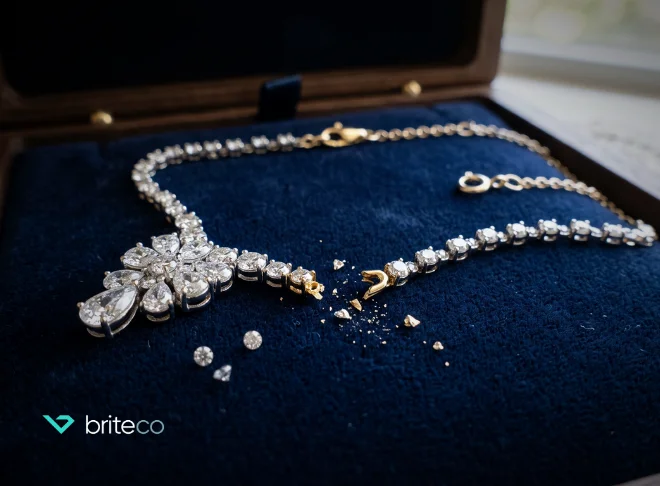
Also, Inspect your jewelry for broken pieces and loose/missing stones to ensure you can safely clean it yourself. If you notice something is wrong, seek professional cleaning services to mitigate any further damage or potential damage to your jewelry.
Once you know what you want to clean and what type of metal or gemstones are in your jewelry, it’s time to begin!
Sterling Silver and Other Silver Jewelry
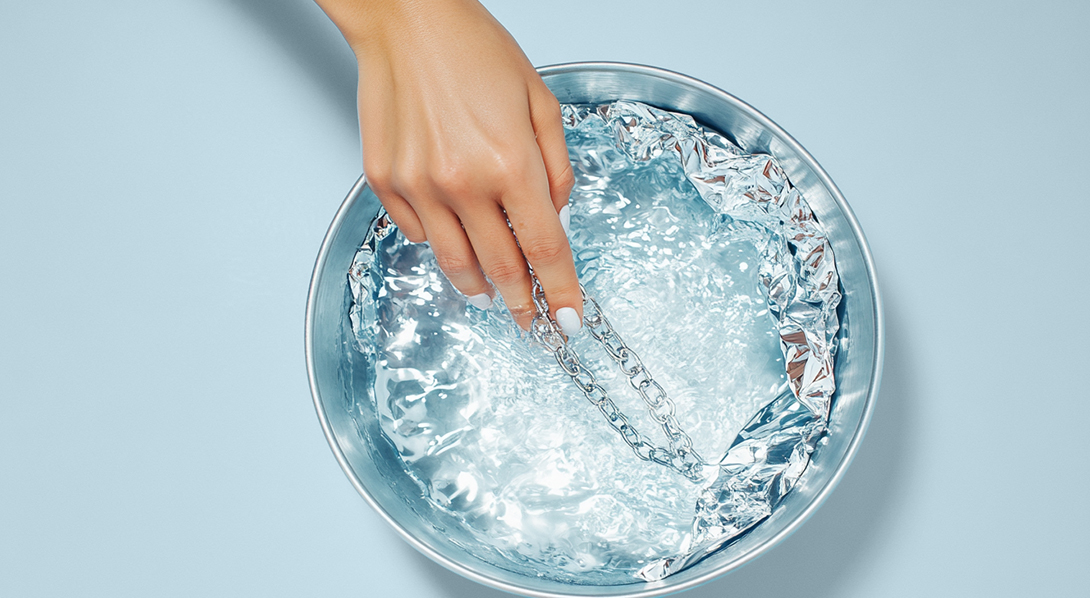
Silver is prone to tarnishing over time for many reasons, from humidity levels to the oils present on your skin. The best cleaning method for tarnished silver is a gentle abrasive mixed together in a bowl of hot water. This at-home jewelry cleaner is especially ideal for those who are sensitive to harsh store-bought chemical cleaners.
Tools and Ingredients:
- A small bowl
- A piece of aluminum foil (enough to line the inside of the bowl)
- 1 tablespoon of baking soda
- 1 cup of boiling water
- A pinch of salt
Instructions:
- Line the small bowl with aluminum foil and place your sterling silver jewelry inside.
- Add the salt, baking soda, and one cup of boiling water over the jewelry.
- When you pour hot water into the bowl, make sure your jewelry is on top of the foil at all times.
- The chemical reaction between the baking soda and aluminum foil will remove tarnish buildup from the silver within a few minutes.
- Once the tarnish is gone, rinse the jewelry under cool water and gently pat dry with a soft cloth.
Why Does it Work?
According to Science Notes, the aluminum foil method for sterling silver jewelry causes a chemical reaction in which hydrogen gas is formed, stripping away the tarnish within a few minutes. The salt also acts as a natural abrasive for those tougher, long-tarnished pieces. For regular maintenance, you can also wipe down your silver pieces with a gentle, soft cloth to prevent tarnish buildup in the first place.
Gold Jewelry
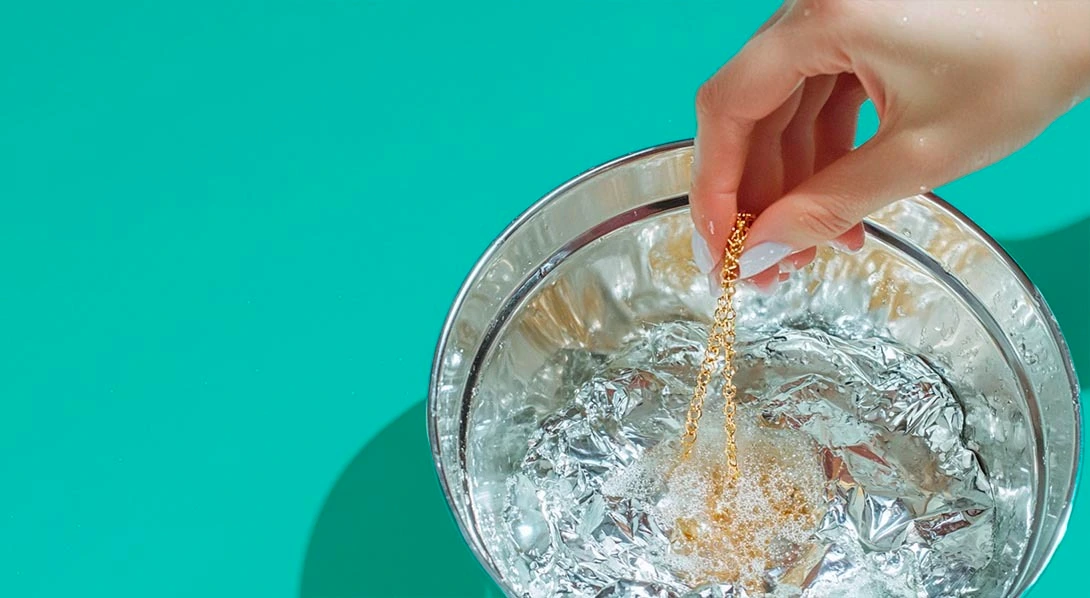
Gold can also lose its luster over time. Like silver, a solid homemade jewelry cleaner can make it shine like new again with just a few simple steps. This jewelry cleaning solution also relies on regular household items like dish soap, a toothbrush, and a soft cloth. Good Housekeeping has also found that using seltzer water can be a great aid if your gold jewelry has semi-precious stones; the bubbles can help loosen any dirt or particles lodged into the crevices around the gems.
Tools and Ingredients:
- A small bowl
- 1 cup of warm water
- A few drops of dish detergent
- A new, soft bristle toothbrush
- Lint-free cloth for cleaning and drying
Instructions:
- Combine the warm water with the dish detergent in a small bowl.
- Let your jewelry sit in this warm bath for about 5 minutes.
- Use the toothbrush to gently brush away any remaining residue or dirt.
- Rinse under cool water and pat dry with a lint-free cloth.
Why Does it Work?
Gold just needs a simple solution to restore its shine and polish. A DIY jewelry cleaner that only features dish soap and warm water will do the trick. Be sure to pat dry with a soft cloth so as not to damage the finish.
Costume Jewelry: Two Ways to DIY Clean It
Do you have lower-end or costume jewelry that features mixed metal pieces, including brass, faux gold, bronze, and stainless steel? There are two great DIY cleansing options to consider for these general kinds of pieces in your collection. Each method can be tailored to suit different types of jewelry, allowing you to clean any piece you have at home safely.
Method 1:
For the first jewelry cleaning recipe, you will focus on lemon juice and baking soda to safely and carefully clean your jewelry without damaging any coatings, finishes, or colorings. Note: If you are concerned about using an acid to clean your costume jewelry, you can always swap in 2 tablespoons of water instead. But for costume jewelry, lemon juice is perfectly fine and recommended to clean with.
Tools and Ingredients:
- A new, soft bristle toothbrush
- Lint-free cloth for cleaning and drying
- Small container (preferably shallow)
- 2 tablespoons of lemon juice
- 1 tablespoon of baking soda
Instructions:
- Mix the lemon juice and baking soda in a small container to create a paste-like solution.
- Place some paste on the soft toothbrush and gently scrub any dirt or grime off the jewelry. Or dip the cloth into the paste and then wipe it onto a broader or flatter surface of the jewelry.
- Rinse under cool water and pat dry with a lint-free cloth.
Why Does it Work?
The lemon juice and baking soda in the solution react chemically to form a gentle, abrasive paste that helps remove dirt, water marks, light scratches, and tarnish. Using the toothbrush method allows the paste to enter those harder-to-reach nooks and crannies, while the cloth is ideal for flat medallion pendant necklaces, solid metal rings, and earrings.
Method 2:
There’s another jewelry cleaner diy recipe to consider for costume pieces. It uses vinegar and dishwashing liquid to ensure your rings, necklaces, and earrings are thoroughly cleaned without risking damage from harsh chemicals or prolonged exposure to abrasive solutions.
Tools and Ingredients:
- A lint-free cloth
- A soft bristled brush or old toothbrush
- 1/2 cup of white vinegar
- 1 cup of warm water
- A few drops of dish detergent
Instructions:
- Mix the white vinegar, dish soap, and warm water in a small bowl.
- Let the jewelry soak in the solution for 5-10 minutes, depending on how dirty the pieces are.
- Use a soft-bristled brush or old soft toothbrush to gently remove any remaining dirt or debris from the jewelry.
- Rinse the jewelry with cool water to remove any cleaning solution.
- Pat dry with a lint-free cloth and let the piece dry completely before storing it.
Why Does it Work?
The vinegar in this homemade cleaner naturally pulls away the oils off the surface of the jewelry, while dish soap acts as a natural degreaser and removes grime. The brush spreads and loosens tiny and hard-to-reach dirt particulates within your jewelry so you can wash them away. Always use a soft bristle toothbrush to clean around the stones carefully, ensuring you don’t scratch or harm them.
Post-Cleaning Care Tips
Once you’ve cleaned jewelry using one of the homemade jewelry cleaners, it’s essential to take proper care of your pieces to keep them looking their best. That not only includes regular cleaning, but some of these additional helpful tips to ensure your collection sparkles for as long as possible:

Detangle and Check for Damage
When drying necklaces, try to avoid tangling them. If a necklace does tangle, place it back into the cleaning solution and try to remove the knot. For more challenging knots, use a pin or sewing needle on a flat surface to move the links and prevent a new knot from forming.
If your costume jewelry has any glued-on stones, check that the adhesive remains intact. Over time, it will naturally loosen, and soaking the jewelry too long can weaken the connection. If it’s loose, dry all the parts thoroughly before applying a new adhesive strip.
Dry Your Jewelry Properly
After rinsing your jewelry, make sure to pat dry each piece using a lint-free cloth or a soft cloth. Avoid air drying as water droplets can leave marks, especially on sterling silver and gold jewelry. We do not recommend using a paper towel to dry your jewelry because the fibers can snag or even scratch some surfaces and stones. Once dry, safely close or latch all the jewelry via their clasps and/or earring backs.
Store Your Jewelry Correctly
Storing your jewelry properly can prevent tarnishing and damage as well. It’s best to keep each piece in a separate compartment in your jewelry box to avoid scratches or tangles, especially for delicate chains and gemstone rings. Storing silver pieces in anti-tarnish bags or a felt-lined jewelry box can help prevent residue caused by exposure to air.
Avoid Harsh Conditions
To prevent tarnishing or damage, remove rings and other jewelry before using any lotions, perfumes, or household cleaning products. These substances can cause buildup or tarnish over time. In addition, prolonged exposure to water or chemicals can weaken gemstones or cause discoloration, so it’s always best to remove your jewelry before showering, swimming, or cleaning.
FAQs & Troubleshooting Common Jewelry Cleaning Issues
What Should I Do If the Tarnish Doesn’t Come Off My Sterling Silver Jewelry?
If the tarnish remains after using the jewelry cleaning solution homemade in your kitchen with baking soda and aluminum foil, try repeating the process or gently scrubbing the silver with a soft toothbrush. For heavily tarnished pieces, a second round of cleaning may be necessary.
Can I Use These Homemade Cleaners for All My Jewelry?
While these recipes are safe for most jewelry, you should ALWAYS avoid using them on extremely delicate pieces or those with porous stones. Certain gemstones, especially porous stones like opals and pearls, can be damaged by harsh cleaners or soaking in liquid for too long, according to the Gem Society. Stick to gentler, at-home jewelry cleaner recipes, and always test on a small area first if you’re unsure.
How Do I Clean Jewelry That Has Intricate Details or Engravings?
For jewelry with intricate details, use a soft bristled brush or an old soft toothbrush to reach into crevices. Soaking the jewelry in a simple solution like the baking soda and hot water method can help loosen dirt before scrubbing.
What Is the Best Homemade Jewelry Cleaner for a Diamond Ring?
To clean diamond rings, we recommend using just warm water, a small bowl, a toothbrush, and a few drops of mild dish soap. You can safely soak the ring in the solution for several minutes and use the brush when needed. Then rinse and pat dry with a lint-free or microfiber cloth.
Can I Soak Multiple Pieces of Jewelry Together?
It’s best to clean one or two pieces at a time, especially if they feature different materials. Gold, silver, and costume jewelry may react differently to cleaning solutions. Also, keeping jewelry apart will prevent them from rubbing together and avoid scratches or damage.
Secure That Squeaky Clean Feeling with Jewelry Insurance
Now, you know how to clean your jewelry at home with these DIY cleaning recipes. However, always remember, if you’re not sure what materials are in your jewelry, be sure to seek an expert before trying to clean it yourself so you never risk damaging it.
But things do happen. BriteCo jewelry insurance comes to the rescue to offer comprehensive, worldwide coverage against damage, theft, loss, and mysterious disappearance. Get your free quote today in less than 60 seconds!
Related Articles:
How To Clean Piercing Jewelry?
How to Clean Turquoise Jewelry at Home
How Long Do Ear Piercings Take to Heal?
Different Types of Ear Piercings
How to Clean Emerald Jewelry
Does Palladium Tarnish?
Get a Quote:
The Easy Way to Insure Your Jewelry - and Save Money!
UP NEXT: Cost to Repair or Replace Jewelry Out of Pocket: What You Might Pay

Author