How Long Do Ear Piercings Take to Heal? Your Complete Guide to Ear Piercing Healing Time
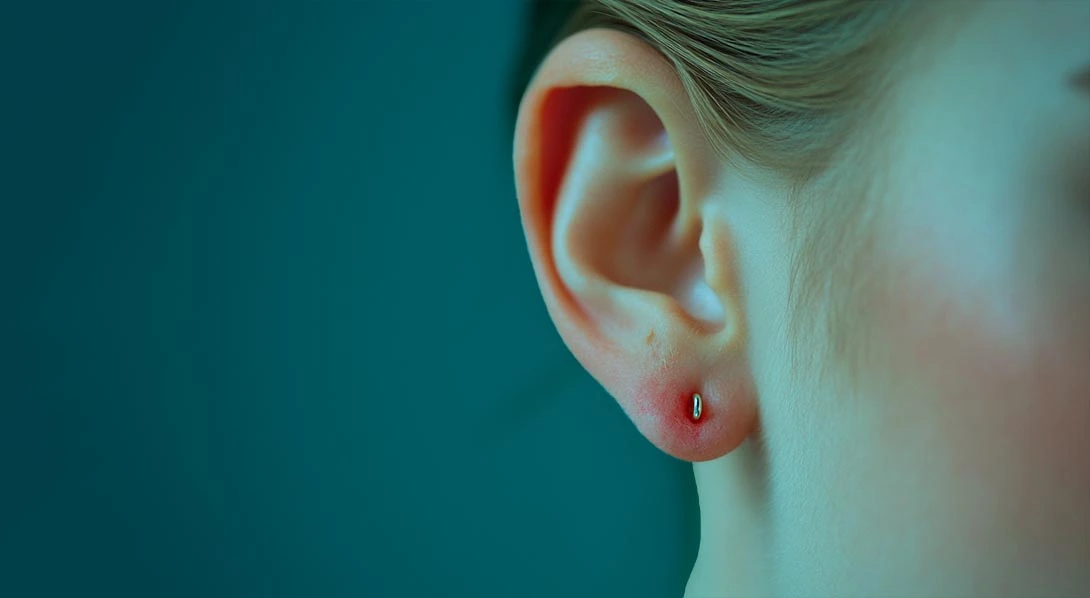
If you’ve recently gotten a new piercing, you need to know that you can’t just leave a newly pierced ear to itself.
Proper piercing aftercare ensures that pierced ears remain healthy during the healing period and beyond. A lack of this aftercare can result in an ear piercing infection or possibly even your new piercings growing up altogether — leaving you with a fully healed ear but no place to put your earring. Understanding the types of ear piercings can also help in tailoring aftercare to specific piercings, as different areas of the ear require different care routines.
So, what do you need to know about earring piercing healing time and overall piercing care?
What You Will Learn
How Long Does It Take for Pierced Ears to Heal?
Ear piercings healing time depends on several factors, primarily the location of the piercing on your ear.
Earlobe piercing healing time differs from cartilage piercing healing time.
For ear lobe piercings, the new piercing will be externally healed in about six weeks and fully healed in about four to six months.
For cartilage piercings — which include helix piercings and any piercing to the outer cartilage of the upper ear — healing times are much longer. While the ear’s surface will be healed within three months, the piercing may take up to a year to heal permanently.
These estimates assume that you’ll properly care for your newly pierced ear and not do anything that might delay healing to the piercing area.
How Long Do Ears Take to Heal After Piercing? Shorten the Wait With Proper Care
Follow some basic aftercare instructions to ensure the healing process goes as smoothly and quickly as possible after you get your ears pierced.
1. Wash the New Ear Piercing Regularly
First, be sure that you’re cleaning your piercing every day.
Before you start, wash your hands and the piercing area, including the starter earring used to pierce your ear. Use warm water and mild soap, and then pat the area dry with gauze, tissues, or paper towels.
Don’t use a soap that contains perfume or dyes, such as a scented body wash. Additionally, do not use a cloth towel for drying because it can snag or introduce bacteria to the piercing.
During this process, do not remove the starter earring. The starter earring should remain in place throughout your entire healing period, as it prevents the hole from closing.
2. Disinfect Your Ears Daily
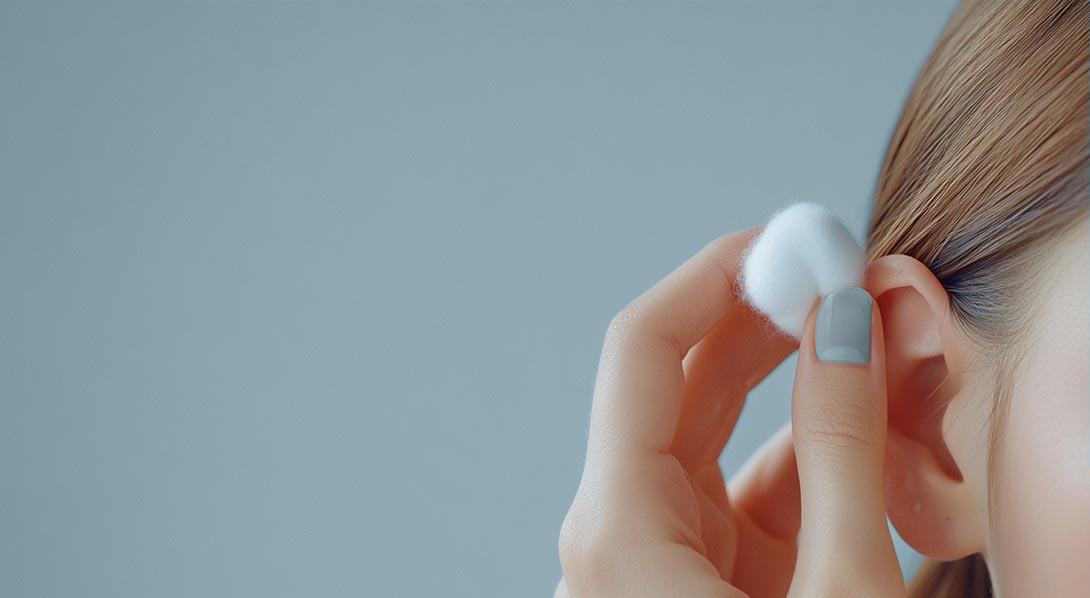
In addition to washing your new lobe piercing or helix piercing daily, use a cotton ball, swab, or gauze to gently rub the area around the piercing, using a bacteria-fighting cleaning solution at least twice daily.
While some recommend using hydrogen peroxide or rubbing alcohol, these harsh cleansers can do more harm than good, especially if you have sensitive skin. Instead, use a saline solution or a saline spray you might buy in the pharmacy. If you go the spray route, you won’t need a cotton ball or swab—just spritz and go!
To keep your piercing clean and bacteria-free, don’t expose your ear to bacteria-laden surfaces such as dirty sheets, pillowcases, towels, or hats.
3. Move the Jewelry
If you have a piercing in your ear lobes, rotate the starter earrings every time you clean the area. This can help ensure the hole does not close up.
However, avoid moving a cartilage piercing too much, which can cause irritation or infection. Remember — the connective tissue around cartilage takes much longer to heal and must be treated more carefully.
4. Soothe Irritated Skin
Sometimes, a new earring will feel a bit itchy or uncomfortable. Rub some Aquaphor or Vaseline around the piercing if that’s the case. If that does not help, seek out your doctor before using other, harsher over-the-counter products.
If the itching is severe and is accompanied by swelling, a rash, or blistering, you may have an allergic reaction. Allergic reactions typically occur within a few days of getting the piercing.
Often, allergic reactions to jewelry only occur if you’re allergic to the type of metal used — in this case, the starter earring. Common culprits include nickel, silver, surgical steel, or gold, though nickel allergies are most common. As such, a professional piercer often recommends nickel-free earrings for new piercings, such as those made from hypoallergenic materials like sterling silver.

How Long Does an Earlobe Piercing Take to Heal? Signs of an Infection
When wondering how long it takes for pierced ears to heal, one thing will seriously delay your healing journey: an infection.
Infections occur because bacteria has somehow made its way to the healing skin, usually via a lack of cleaning and care.
Signs of a piercing infection include:
- Redness
- Swelling
- Pain
- Warm skin
- Fever
- Oozing
Call your primary care provider immediately if you see these signs of an infection.
How Long Do Ear Lobe Piercings Take to Heal? FAQs
How long does an ear piercing take to heal?
It depends on where the piercing is on your ear. Standard ear lobe piercings take about six weeks to heal externally and up to six months to heal internally. In contrast, cartilage piercings take about three months to heal externally and up to a year to heal internally.
Is body piercing safe?
Yes, body piercing is perfectly safe for most individuals as long as you go to a professional piercer and follow piercing aftercare instructions.
How long should you wait to change your ear piercing?
Wait at least six weeks to change the starter earring in a lobe piercing. Wait at least three to six months to change the starter earring in a cartilage piercing.
How do you know if your piercing is infected?
Signs of an infected piercing include redness, pain, fever, oozing, and a spreading rash.
How long does it take an ear piercing to stop hurting?
Most ear piercings stop hurting within a few days. However, you may still experience soreness around the piercing for up to six months for lobe piercings or up to a year for cartilage piercings, especially if you bump or snag the piercing.
Protect Your Jewelry, Just Like You Protect Your Ears!
Following the proper piercing aftercare instructions protects your ears from irritation and infection — but who’s protecting your jewelry? As you grow your collection of earrings, ensure your most valuable pieces can be repaired or replaced in the event of damage, loss, or theft.
BriteCo can help! We offer specialized jewelry insurance at an affordable cost. Learn about BriteCo’s comprehensive coverage options and get your quote today!
Also Check:
How to Stack Earrings with Multiple Piercings
How to Find a Lost Earring
Quiz:
The Engagement Ring Calculator You’ve Been Searching For and it’s FREE!
UP NEXT: What are the Odds of Losing or Damaging Jewelry?

Author