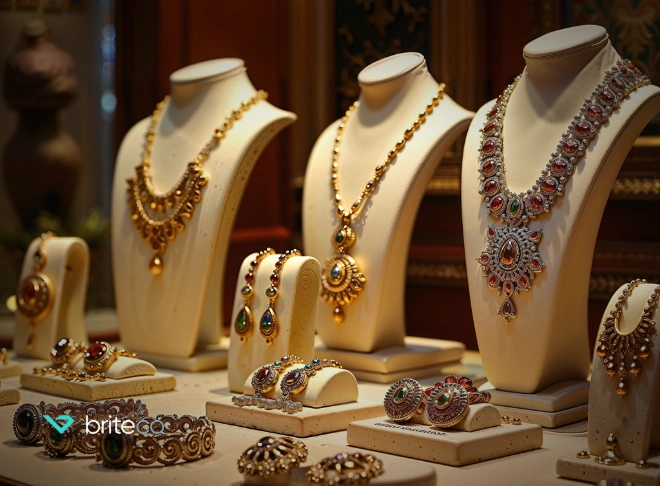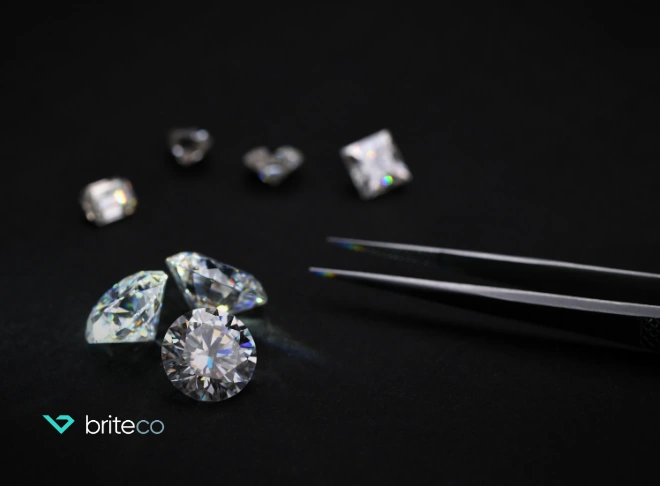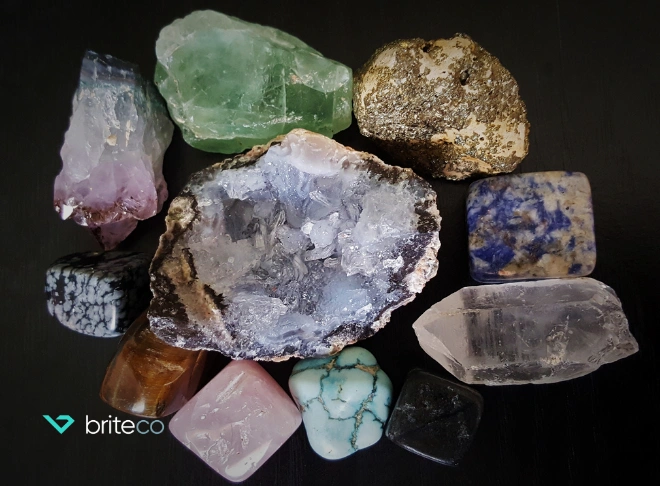
When it comes to the difference between precious vs. semi-precious gems, the distinction historically was that precious gems were only diamonds, rubies, emeralds, and sapphires, while semi-precious gemstones were everything else.
Those labels live on at Southern Gem Fine Jewelry in Burleson, Texas, where owner Gayla Moores says her customers still consider those gems precious and others not, and “use those terms quite often.” But value really relies more on gemstone rarity, quality, and demand, rather than any gemstone’s particular label.
As such, when you’re shopping for jewelry, don’t let yourself be influenced by historic labels such as “precious” and “semi-precious” gems. Instead, rely on industry knowledge. Here’s what you need to know in order to pick the right gemstone for you.
Considering a gemstone purchase? Protect it with specialized jewelry insurance.
What You Will Learn
- Should You Buy Precious or Semi-Precious Gem Jewelry?
- What Drives the Price of Precious vs. Semi-Precious Gems?
- How to Pick the Right Gemstone for You
- Still Unsure About the Gemstone You Need?
- So what do these choices look like in real life?
- However you shop…
- Precious and Semi-Precious Gems FAQs
- Every Gemstone Deserves Comprehensive Protection
Should You Buy Precious or Semi-Precious Gem Jewelry?
Before purchasing a piece of gemstone jewelry, ask yourself the following questions to determine whether you should specifically look for a gemstone that would have previously been categorized as “precious,” or one that would have been considered “semi-precious”:
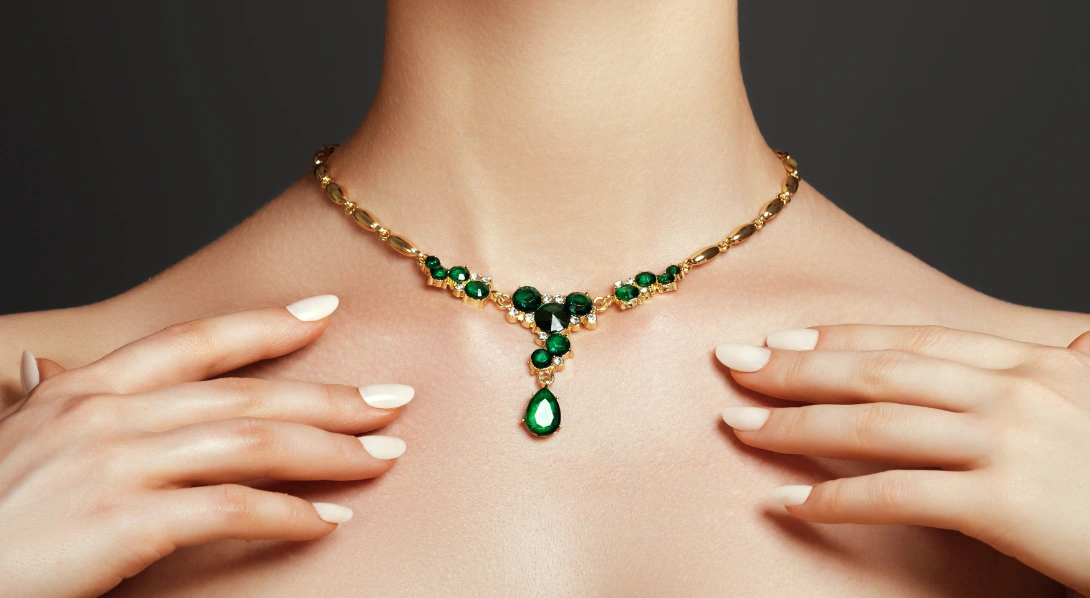
- Do you prioritize prestige and appearance? You might still want to go with what are considered precious gemstones — diamonds, rubies, emeralds, and sapphires — as these four precious stones still carry the most clout.
- Do you want something unique or a very specific color? One of the previously considered “semi-precious” stones might be best for you, whether that ends up being amethyst or aquamarine, beryl or lapis lazuli. “A lot of the semi-precious gems are absolutely beautiful,” Moores says.

- Do you want the most for your money? You can often get so-called “semi-precious” gems for a lower cost, with a better color and larger size than what you could get if you spent the same on a “precious” gem.
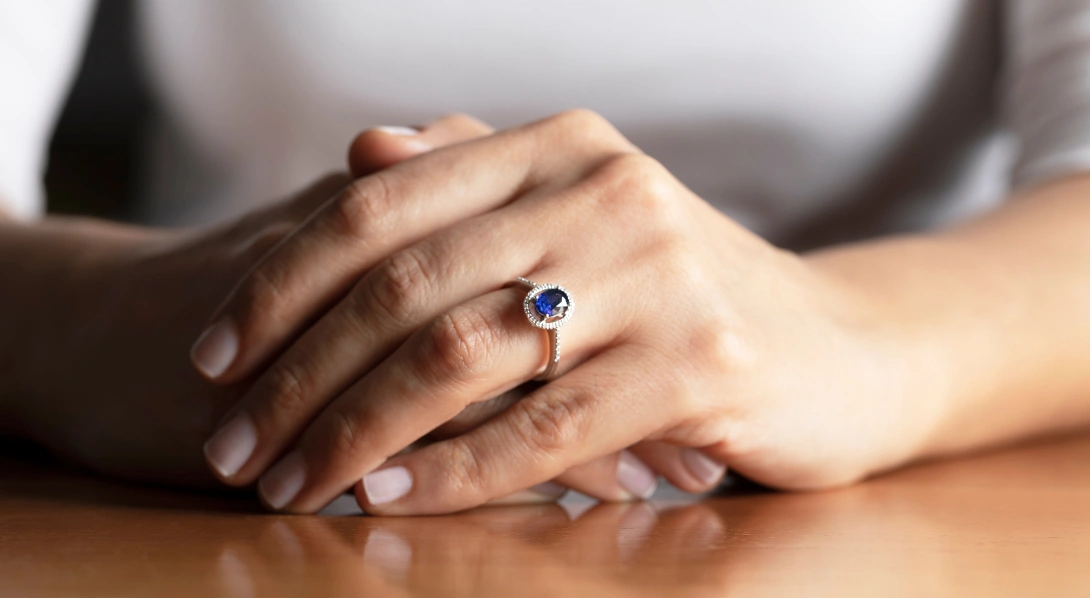
- Will this be a daily wear piece like an engagement ring or an occasional wear piece like a pendant? If the former, prioritize gemstones that are durable, rather than gemstones that fit into a certain box.
Moores says she tells a customer, “Let’s pick out something that makes you feel happy, excited, luxurious. Find something that makes your heart sing. Don’t just buy something because you feel like it’s the birthstone of the month, or it’s representative of a certain anniversary. Buy a stone that really speaks to you.”
What Drives the Price of Precious vs. Semi-Precious Gems?
Today, the price or value of gemstones really comes down to a variety of factors, including rarity, color clarity and purity, demand, carat weight, cut, condition, origin, and whether or not the gemstone has been treated.
“There are some very rare, very expensive gems that I would put in the precious category that people don’t consider because they’re not widely used,” Moores says. “I would put imperial topaz and Paraiba tourmaline in there because of the price.”
Fine Paraíba tourmaline (often labeled as a “semi‑precious” gemstone) can easily outprice many sapphires because of its extreme rarity and neon color, often a vivid bluish green.
How to Pick the Right Gemstone for You
There are several steps you’ll want to take when picking any gemstone: deciding how durable you need the gemstone to be, what color you’d like, the setting style you’d prefer, and whether or not you want a lab or treated stone.
From there, you can pick your perfect stone, make your purchase, get an appraisal, and then insure that jewelry for protection moving forward.

Step 1: Define How You’ll Wear the Jewelry
Will you be wearing this jewelry daily or just occasionally? If daily, it needs to be more durable and able to stand up to wear and tear.
Step 2: Choose Your Color
Do you have a specific color in mind when you imagine your perfect gemstone? While, yes, it’s true that diamonds, sapphires, emeralds, and rubies do come in more colors than just their characteristic white, blue, green, and red, you can find semi-precious gemstones with much more interesting hues.
Step 3: Consider Durability and Setting Style
Once you’ve decided how and when you’ll wear the piece, as well as what color gemstone you’d like, you can begin narrowing down your choices of gemstones based on color and durability. As you do, ensure that you’re picking a setting style that will be appropriate for the gemstone’s durability (or lack thereof) as well.
Step 4: Decide on Origins and Treatments
Some stones simply only come treated, while others are broadly available from a lab, while still others are only available traditionally mined. While some shoppers are unconcerned with these details, others only prefer gemstones with a certain origin or background. If that’s you, define your priorities. Then, when you’re shopping for gemstones, request to see stones’ lab reports, so you can verify that they match your preferences.
Don’t forget to compare natural vs. lab-grown stones based on budget. You may just be surprised at how much opting for lab-grown stones can save you, without sacrificing appearance.
Step 5: Make Your Purchase and Then Get an Appraisal and Insurance
Lastly, once you’ve decided on the gemstone for you, get an appraisal so you have documentation of its current worth. Then, use that appraisal to get specialized jewelry insurance that protects you from theft, loss, mysterious disappearance, and accidental damage.
Still Unsure About the Gemstone You Need?
| If you’re prioritizing… | Then consider… | Why? |
|---|---|---|
| Daily‑wear durability | Diamond, sapphire, ruby, or spinel | These gemstones offer a higher ranking on the Mohs Scale and a toughness that can resist abrasion (spinel is often sturdier than emeralds). |
| Getting max color for your budget | A stone from the garnet family, tourmaline, or zircon | While these are all “semi-precious,” they still offer richer color and you can get a larger gemstone at a lower price per carat |
| Tradition and prestige | Diamond, ruby, sapphire, or emerald | The “Big Four” still carry cultural cachet — though keep in mind that overall value still hinges on quality |
| Unique rarity | Paraíba tourmaline, red beryl, or alexandrite | These colored gemstones are exceptionally rare, and come with the price tag to prove it |
So what do these choices look like in real life?
Say you’re a nurse who wants a daily-wear ring. You pick blue spinel over sapphire, because you get a similar color and look, but better durability at a better price. With the money you saved, you can invest in a sturdier setting.
Say you’re a color-first shopper. You want something that will really pop and wow. You choose Paraiba tourmaline because it will eclipse sapphire’s blue any day. Even though sapphire is more well-known, Paraiba tourmaline is rarer and more expensive.
However you shop…
Do: Focus on gemstone, durability, and documentation provided by reputable gemology labs.
Don’t: Assume that “semi‑precious” gemstones are inferior or that “precious” gemstones are always rare or expensive.
Precious and Semi-Precious Gems FAQs
1. What is a precious gem?
Traditionally, diamond, ruby, sapphire, and emerald have been considered types of precious gems. However, this is a historical convention, not a scientific standard, and modern values don’t place quite the same emphasis on these four gems.
2. Are semi-precious gems lower quality?
No and, in fact, many so-called semi-precious gemstones are actually rarer and more expensive than some types of precious gems.
3. What’s the safest daily-wear colored gem?
Sapphire and ruby are excellent daily-wear colored gemstones, but spinel is also a durable choice, and available at a fraction of the cost.
4. Why do people still say “semi-precious”?
People still use “semi-precious” to refer to gemstones out of habit, and because the term is still used in marketing. However, many major trade groups discourage the use.
5. Should I insure gemstone jewelry?
If replacing or repairing the jewelry would be a strain on your budget, then, yes, absolutely get a jewelry appraisal and learn how specialized jewelry insurance works.
Every Gemstone Deserves Comprehensive Protection
Labels like “semi-precious” and “precious” are history — gemstone value is all about quality and rarity, and choosing the right gemstone should be based on suitability for your life and style.
Whatever your gemstone of choice, get an appraisal and learn how jewelry insurance protects what you buy.
Licensed in all 50 states, BriteCo prides itself on providing best-in-class jewelry insurance that combines speed, convenience, and affordability for shoppers throughout the US. Policies offer up to 125% of appraised value replacement coverage, too, so you don’t have to worry about paying out-of-pocket costs in the event of a claim.
Learn more and get your jewelry insurance quote now.
Get a Quote:
The Easy Way to Insure Your Jewelry - and Save Money!
UP NEXT: What are the Odds of Losing or Damaging Jewelry?

Author