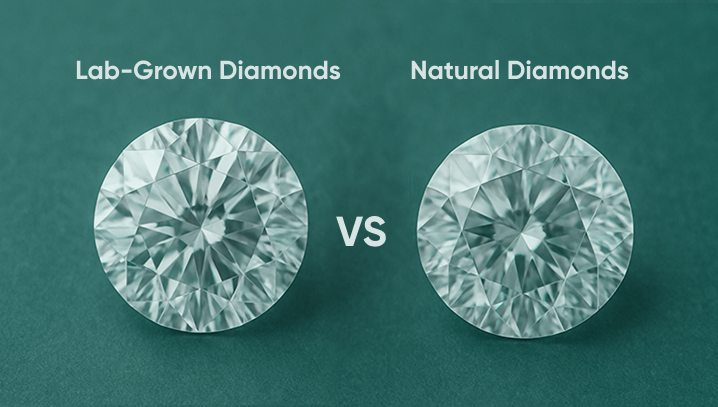
Diamonds have long been seen as symbols of love, beauty, and strength. Whether it’s part of a birthday or graduation gift or in an engagement ring or another piece of jewelry that you plan to keep forever, a diamond is a great choice to mark a special moment in life. But today, choosing a diamond means more than just picking the right shape or size. Shoppers can decide between two types of diamonds: lab-grown and natural. They may look the same, but they’re formed in different ways and come with different costs, stories, and impacts. Learning how they compare can help you make a smart and meaningful decision.
Characteristics of Lab-Grown Diamonds
Lab-grown diamonds are created using machines that duplicate the natural conditions deep inside the ground where diamonds form. The process of creating diamonds takes place in laboratories using either high pressure and high temperatures or a gas-based method called chemical vapor deposition. In just a few weeks, a diamond crystal grows from a tiny piece of carbon that’s nearly identical to one formed underground over millions of years.
These diamonds match natural ones in nearly every way. They are just as hard, clear, and shiny. In fact, unless you use special tools, you can’t tell them apart. Jewelers even grade them using the same system that judges cut, color, clarity, and carat weight. One major reason people choose lab-grown diamonds is their price. They tend to cost a lot less than natural diamonds of the same quality, so someone with a fixed budget might be able to afford a bigger or better-looking stone. Another reason is ethics. Because these stones are made in a lab, there’s no need for mining, which helps avoid environmental and human rights concerns.
Characteristics of Natural Diamonds
Natural diamonds are formed when carbon is trapped under intense heat and pressure deep inside the ground. Over millions or billions of years, this carbon changes into diamond crystals. These stones are then pushed toward the surface by volcanic activity, where they are later found and mined. Most natural diamonds come from places like Russia, South Africa, Botswana, and Canada.
Part of what makes natural diamonds special is their age and origin. Each one is a unique result of nature’s work, and many people enjoy the idea that their diamond has been around for so long. Natural diamonds often have small marks or patterns inside them that reveal their ancient history. Because of their rarity and their longstanding place in cultural jewelry traditions, natural diamonds are more valuable. They tend to hold their resale value better and are often chosen by people looking for a timeless gem.
However, natural diamonds come with concerns. Mining can harm the environment, disturb animal habitats, and raise issues about fair labor and safety. While some companies follow strict rules to avoid these problems, others do not, so buyers often look for certifications or origin details to make sure that their diamond was mined responsibly.
- How Are Diamonds Formed?
- The Formation of Natural Diamonds
- Diamonds Unearthed: Digging Into Diamond Formation
- Diamonds May Be Rarer Than We Think
Key Differences
Although lab-grown and natural diamonds look almost identical, there are a few differences that set them apart. These differences aren’t visible to the naked eye, but jewelers can detect them using advanced tools and techniques.
One of the main ways to tell the two types apart is by looking at how they form on a microscopic level. Natural diamonds often contain small bits of other minerals or tiny imperfections caused by their long formation deep underground. These marks, called inclusions, can look different from the ones found in lab-grown diamonds. In contrast, lab-grown diamonds might show signs of the equipment or gases used in their creation, such as patterns or growth lines that wouldn’t occur in nature.
Another way to identify a diamond’s origin is by using ultraviolet light. Some lab-grown diamonds react differently to UV light than natural ones, showing a unique glow or fluorescence pattern. Spectroscopy, using a machine to analyze how light moves through the diamond, can also detect subtle clues about its internal structure and formation process.
Most diamonds sold today, whether lab-grown or natural, come with a certificate from a gem lab. These reports often include information about the diamond’s origin and may note whether it’s been grown in a lab or mined from the ground, so even if your eyes can’t tell the difference, you’ll know where your stone came from.
- Detecting Laboratory-Grown Diamonds
- How to Get Your Jewelry Appraised
- Find a Local Jewelry Appraiser
How to Choose the Right Stone for You
Choosing between a lab-grown and a natural diamond depends on what you care about most. If you’re trying to get the best-looking stone for your money, lab-grown diamonds offer great value. You can usually get a larger or clearer diamond for the same price you would spend on a smaller natural one. Lab-grown diamonds also make sense if you’re focused on avoiding the environmental and ethical problems linked to some parts of the diamond mining industry.
However, if you’re someone who values tradition or wants a diamond with a long history, you might prefer a natural stone. Many people feel that there’s something deeply meaningful about wearing a gem that took millions of years to form. If you’re thinking about passing your jewelry down to future generations or want a diamond that may keep more of its value, natural diamonds can be a smart choice.
No matter which kind you choose, both types of diamonds can be beautiful, long-lasting, and meaningful. What matters most is that the stone feels right to you and suits your style.

Author