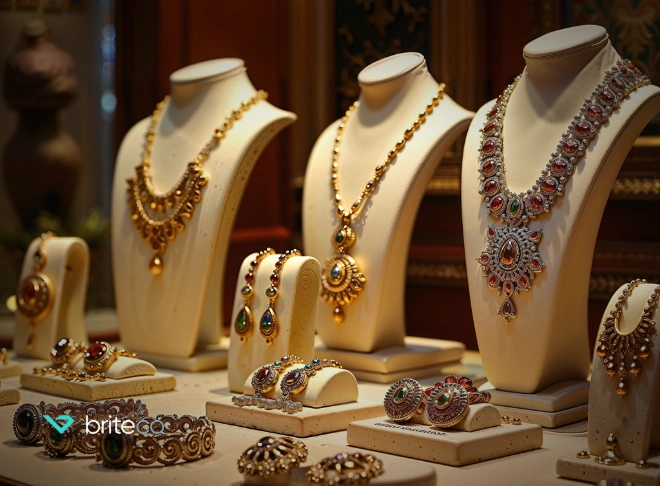
Alexandrite, a June birthstone, is primarily found in the Ural Mountains and is widely considered the rarest traditional birthstone. Black opals are a close second.
What makes a fine gem truly rare, though? If you’re asking, ‘what is the rarest birthstone?’ there are a variety of factors to consider. Many birthstones can only be found in limited natural deposits in a few locations worldwide, often in trace amounts. This results in limited availability and a low number of truly high-quality stones.
Not sure exactly what your birthstone is? Perhaps you’re wondering whether yours is one of the rarest or most valuable birthstones overall. Check out our birthstone chart for everything you need to know about which stones are associated with which birth months.
Read on to learn whether you should invest in rare birthstone jewelry or if you’d be better off picking a more common alternative.

What You Will Learn
- Quick Self-Assessment: Should You Pick a Rare Birthstone?
- What is the Rarest Birthstone in Order?
- How Do We Define “Rare”?
- How to Buy a Rare Birthstone
- Why Rare Birthstones Cost More
- How to Wear Your Birthstone
- Durability & Daily Care for Precious and Semi-Precious Gemstones
- What Birthstone is the Rarest? | FAQs
- Found Your Perfect Match? Protect Your Birthstone Jewelry with Specialized Jewelry Insurance
Quick Self-Assessment: Should You Pick a Rare Birthstone?
Precious stones are a popular gift or feature associated with celebrating milestones, and are often used to symbolise commitment and eternal love. Many people go to great lengths to acquire the finest rubies or most sought-after sapphires; these are July’s birthstones and September’s birthstones, respectively. Whether or not making such a purchase is a worthwhile investment for you depends on numerous factors.
If your budget is flexible, your lifestyle doesn’t require exceptionally durable jewelry, and your priority is buying something exceptionally unique, then, yes, one of these rare, expensive birthstones may be a good fit for you.
Consider how you might answer the following questions:
- Do you have a flexible budget that may allow you to spend more on precious gemstones?
- Could you wear the birthstone jewelry regularly without worrying about damaging the gemstone?
- Is having a unique gemstone that’s exceptionally rare a priority for you when shopping for jewelry?
- Are you okay with having a smaller gemstone if it means that it’s rare/unique?
- Are you fine with a naturally mined gemstone versus a potentially more sustainable, lab-grown alternative?
If you answered “yes” to three or more of these questions, then purchasing an incredibly rare piece of birthstone jewelry may be a great fit for you!

What is the Rarest Birthstone in Order?
| Birth Month | Traditional Birthstone | Alternative, More Common Birthstone |
|---|---|---|
| June | Alexandrite | Pearl |
| October | Black opal | Tourmaline |
| July | Ruby | Carnelian |
| May | Emerald | Chrysoprase |
| April | Diamond | Topaz |
| December | Tanzanite | Zircon, Turquoise |
| March | Aquamarine | Bloodstone |
| September | Sapphire | Lapis Lazuli |
| August | Spinel | Peridot |
| January | Garnet | Rose quartz |
| November | Citrine | Topaz |
| February | Amethyst | Jasper |
How Do We Define “Rare”?
The above precious stones are ranked according to rarity as determined by availability worldwide, annual production, number of high-quality gemstones available, and market availability versus hype.
Rare gemstones are typically those that are only found in a few key places around the world and are only available on the market to a limited degree. Additionally, for ultra-rare gemstones, it’s likely that, of the total gemstones available, few are actually of a high gem quality.
For example, you might have been surprised to see diamonds ranked so highly on our list, because diamond jewelry seems to be readily available everywhere. However, there are certain ultra-high-quality and colored diamonds that are incredibly rare and not available at your average jewelry store, allowing this birthstone to move up the chart.
If you love the look of diamonds or other precious stones but are on a tight budget, picking a stone in the quartz family will leave you with something similar-looking but much more affordable.
If budget isn’t a concern and you’re willing to make a significant investment, you might want to consider seeking out a high-quality blue sapphire or red beryl.
How to Buy a Rare Birthstone
If you’ve decided that you’d like to purchase one of these rare gems, you’ll want to:
- Set your priorities before you begin shopping, deciding whether you’ll prioritize quality, size, or cost when comparing gemstones.
- Compare natural versus lab or treated versions of whichever gemstone you’re shopping for (and remember to ask for documentation surrounding any lab-created or treated gemstones).
- Request an appraisal of the gemstone, as well as any applicable lab reports, such as those from the GIA or IGS.
- Choose a durable setting appropriate for your chosen gemstone once purchased.
Then, when you have your one-of-a-kind, unique piece in hand, make sure that it’s protected with specialized jewelry insurance.
Why Rare Birthstones Cost More
If you experience a bit of sticker shock while shopping for some of the most valuable birthstones, keep in mind that rare birthstones cost as much as they do because of their rarity.
If inherent financial value isn’t as important to you as the aesthetics of a beautiful stone, you should be able to find more affordable versions of most gemstones that look very similar.
The birthstones listed above are ranked as such due to the unlikelihood of finding one that exhibits the desirable color (or colors) for that particular stone, as well as one that simultaneously boasts a relatively large carat weight.
Other factors that can further add to the cost include certifications and appraisals, whether or not the gemstone was treated, and how much of the gemstone was lost during the cutting process.
Because the most expensive birthstones are so pricey, it’s more important than ever that you get an appraisal for such a gem before purchase, especially for insurance purposes.
How to Wear Your Birthstone
You can wear your birthstone just as you would any jewelry, but make sure you’re picking a jewelry setting and type that prioritizes durability and safety. Additionally, if you purchase a smaller gemstone, because it might offer a higher quality at a lower price, make the most of how you use it.
For example, if your budget is relatively limited, you might pick a rare, high-quality stone, but go for smaller stones and use them in, say, stud earrings versus a solitaire ring.
In contrast, if you’re going to go all out and invest in alexandrite, maybe pick a particularly special, sentimental piece of jewelry that you’ll treasure forever, and incorporate alexandrite into it as part of your wedding jewelry.
If you’re buying a piece of black opal jewelry, consider picking a type of jewelry that’s less likely to become damaged during daily wear. For example, if you wear the black opal as a pendant versus as a ring, you’re far less likely to damage it.
Durability & Daily Care for Precious and Semi-Precious Gemstones
Once you have it home, take care of your expensive birthstone through proper care and cleaning, and take precautions related to the gemstone’s durability. Check out the Mohs scale to get an idea of just how durable your gemstone is.
Diamonds are the hardest gemstones overall, while birthstones like opal, tanzanite, peridot, and garnet can be much, much more susceptible to damage. These gemstones will require greater care to avoid scratching and chipping.
- For softer stones like opal, limit your daily wear and consider only bringing the pieces out for special occasions.
- Never wear your birthstone jewelry during activities that could expose it to damage, such as cleaning or sports.
- Always store gemstones in their own, individual pouches, drawers, or containers within a lined jewelry box.
Most gemstones should be cleaned regularly, about once a month or so. To start, try buffing them with just a dry, soft jewelry cloth. If that doesn’t do the trick, particularly in the case of harder gemstones like diamonds, you can use a soft toothbrush, warm water, and mild dish soap. For more intense cleaning, seek a professional’s help.
What Birthstone is the Rarest? | FAQs
Is alexandrite really the rarest birthstone?
Yes. Naturally occurring gem-quality alexandrite with strong color-changing properties is extremely scarce, which is why prices for alexandrite are high.
Is black opal rarer than regular opal?
Yes. Top black opal with vivid play-of-color is much rarer than common white opal.
What’s the rarest birthstone, tanzanite or alexandrite?
Alexandrite, June’s birthstone, is rarer, especially in fine color-change quality. Tanzanite is single-source and scarce, but generally more available.
Does “modern” vs. “traditional” birthstone affect rarity?
Potentially! Some modern birthstones, like spinel or tanzanite, may be rarer than other birthstones that are more traditional.
Do rarer stones always cost more?
Usually, if the gemstone quality is comparable. Size and color play a role in gems’ cost as well.
Are lab-grown birthstones rare?
No. Lab-grown birthstones are available in infinite quantities by virtue of being manufacturable, so they are not rare.

What settings are best for fragile, rare stones?
Choose protective settings, like bezels or halos, for rings. Opting to wear a rare stone as a pendant or earrings can further reduce the risk that often comes with daily wear.
How do I insure a rare birthstone piece?
Get an appraisal and insure the piece at its replacement value. Specialty jewelry insurance offers broader coverage than a basic homeowners rider.
Found Your Perfect Match? Protect Your Birthstone Jewelry with Specialized Jewelry Insurance
When it comes to birthstone jewelry, Alexandrite remains the undisputed leader in rarity, but the world of fine jewelry offers many other extraordinary treasures. Whether you’re drawn to the neon glow of a Paraíba, the profound brilliance of fine rubies, or the timeless allure of a Kashmir sapphire, your choice reflects a significant emotional and financial investment.
With this in mind, it’s important to keep your new birthstone jewelry protected with comprehensive insurance coverage.
In the event that your rare jewelry is damaged, stolen, or lost, specialized jewelry insurance can cover the full cost of repair or replacement. Learn more and get a quick jewelry insurance quote now.
Related Articles:
Top 10 1940s Jewelry Trends
8 Fun Facts About Diamonds
Zodiac Birthstones: A Detailed Guide
Buying Guide:
The Secret to Diamond Buying: Natural vs Lab Grown

UP NEXT: What are the Odds of Losing or Damaging Jewelry?

Author