You’ve bought yourself a lab-grown diamond. Insurance is the next thing on the list. Does it all work the same, though? The short answer is yes; you can absolutely insure a lab-grown diamond, and your jewelry insurance will cover it the same as it would a natural one. As long as you have proof of your piece’s value, you can get comprehensive coverage to protect your latest treasure.
As is the case with any diamond (because lab-grown diamonds are still real diamonds), insurers will need you to provide an appraisal, a receipt, a grading report, and other details that will allow them to offer and price coverage correctly,
With guidance from BriteCo founder and CEO Dustin Lemick, let’s get into the nitty-gritty, including how appraisals, coverage options, value, and cost all work together.
Just want the TL;DR? Here are the basic details:
- Lab-grown diamonds absolutely can be insured.
- An appraisal, receipt, and/or grading report can help prove your diamond’s value.
- Using standalone jewelry insurance is generally safer than relying on home insurance.
Keep reading for everything you need to know.
What You Will Learn
- How Can You Insure a Lab-Grown Diamond? The Short Answer
- Are Lab-Grown Diamonds Real Diamonds In The Eyes of Insurance?
- Why Lab-Grown Diamonds Still Need Insurance
- How Insurance Companies Value Lab-Grown Diamonds
- Lab-Grown Vs. Natural Diamond Insurance: What Changes?
- Appraisal for Lab-Grown Diamond Insurance
- What Documents Do You Need to Insure a Lab-Grown Diamond?
- How Much Does It Cost to Insure a Lab-Grown Diamond?
- Does Homeowners Insurance Cover Lab-Grown Diamonds?
- What Does Lab-Grown Diamond Insurance Cover?
- Like-Kind Replacement for Lab-Grown Diamonds
- Can You Insure Lab-Grown Diamond Earrings, Necklaces, or Bracelets?
- Can You Insure a Loose Lab-Grown Diamond?
- How to Insure a Lab-Grown Diamond Step by Step
- Common Mistakes When Insuring a Lab-Grown Diamond
- Claims: What Happens If Your Lab-Grown Diamond is Lost, Stolen, or Damaged?
- When Should You Insure a Lab-Grown Diamond?
- Why BriteCo Is a Strong Choice for Lab-Grown Diamond Insurance
- FAQs About Insuring a Lab-Grown Diamond
- Can You Insure a Lab-Grown Diamond? Final Takeaway
How Can You Insure a Lab-Grown Diamond? The Short Answer
Yes, you can get a lab-grown diamond insured with the same kind of jewelry insurance coverage that would apply to any other pieces.
“Accidents do happen,” Lemick says. “Your ring could get lost, stolen, or damaged. And with the average lab-grown diamond ring costing thousands of dollars, you want to make sure you’re covered.”
The issue with getting appropriate coverage isn’t in whether a diamond is lab-grown or “real”; it’s all about whether your jewelry insurance policy records the diamond’s correct value, alongside the right documentation and any potential coverage limits.
Insuring a lab-grown diamond is easy IF…
- You can document the diamond’s value
- Your insurance policy covers lab-grown diamonds
- The policy’s replacement method is clear
- You understand your policy’s deductible and coverage limits
- You update coverage when and if the ring or diamond changes
Are Lab-Grown Diamonds Real Diamonds In The Eyes of Insurance?
A lab-created diamond is the same as a mined diamond in terms of chemical and physical properties, so their origins don’t determine their insurability. We’ve come a long way since the world’s first lab-created diamonds; to the naked eye, they’re indistinguishable from natural diamonds, with only slight differences at a molecular level.
“They both sparkle, they both last forever, and they both look absolutely gorgeous,” Lemick says. “But lab-grown diamonds are significantly more affordable, making them a fantastic choice for those who want a diamond without the hefty price tag.”
When it comes to insurance, a policy’s individual terms are based entirely on the jewelry’s replacement value and documentation. Laboratory-grown diamonds are treated the same as their mined counterparts.
In short, don’t let anyone tell you that lab-grown diamonds aren’t real just because they’re a result of science rather than the earth’s process. They are, and we’ve got a comprehensive explanation as to why.
Why Lab-Grown Diamonds Still Need Insurance
Engagement rings with lab-grown diamonds may be more affordable than those with mined diamonds, but they’re still valuable and worth insuring. Replacing an uninsured lab-grown diamond ring, set of earrings, necklace, or bracelet would be financially painful and cost you your hard-earned money. Why spend thousands of dollars if you don’t have to?
According to BriteCo data, lab-grown diamonds accounted for over 45% of US engagement ring purchases as of 2024, and their lower prices have encouraged buyers to choose larger and higher-quality stones. As lab-grown diamonds have become more popular, so has comprehensive financial protection through jewelry insurance.
A luxury piece featuring a lab-grown diamond needs coverage if:
- You wear it daily
- It’s a sentimental piece, like an engagement ring or wedding jewelry
- You travel with the piece often
- It features a large center stone
- You invested in a custom setting
- Replacing the piece would make you financially uncomfortable
How Insurance Companies Value Lab-Grown Diamonds
Insurance companies generally value lab-grown diamonds based on their documented replacement value, not sentimental value or resale value. This is why it’s so important to get an accurate valuation via a professional appraisal.
The appraisal value will take into consideration factors such as the diamond’s carat weight, cut, color, clarity, shape, growth method, brand or designer, setting, metal type, any lab reports, and current market replacement price.
BriteCo offers online appraisal services so that you can quickly confirm a diamond’s replacement value (and therefore, potential insured value) before getting an insurance quote. Just note that lab-grown diamond prices shift quickly, so keeping up-to-date documentation matters.
Lab-Grown Vs. Natural Diamond Insurance: What Changes?
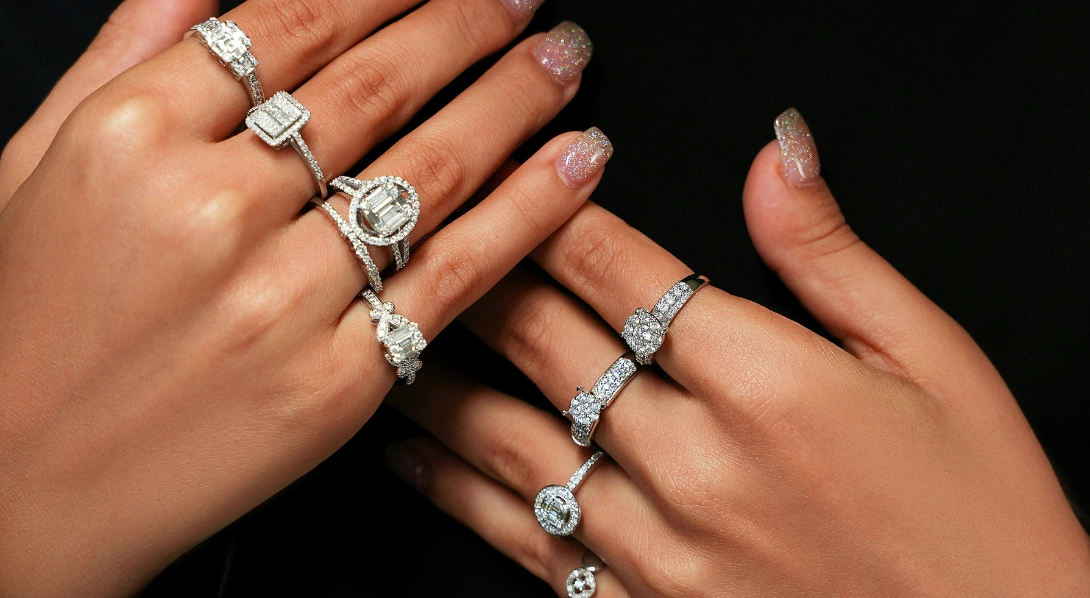
When it comes to insurance, the differences between natural mined diamonds and lab-grown diamonds come down to value and the resulting premium cost. There’s usually not a question of whether or not the diamond can be covered.
Both lab-grown and natural diamonds should be protected with jewelry insurance. Coverage will allow for repairs or replacement as needed.
| Comparison Factor | An Earth-Mined Diamond | Lab-Grown Diamonds |
|---|---|---|
| Eligibility for Insurance | You can insure these diamonds via your homeowner’s or renter’s policy, a scheduled personal property rider/floater, or via standalone insurance. | You can insure these diamonds via your homeowner’s or renter’s standalone policy, a scheduled personal property rider/floater, or via standalone insurance. |
| Appraisal Requirements for Insurance | You’ll likely need to get an appraisal and provide further documentation, such as a receipt and photos. | You’ll likely need to get an appraisal and provide further documentation, such as a receipt and photos. |
| Replacement Values | Replacement values remain relatively stable, and you may not see much of a shift as you update your appraisal every 2-3 years. | Replacement values for lab-grown diamonds can shift dramatically, so you may see value changing as you update your appraisal and policy. |
| Market Price Volatility | Diamond prices may fluctuate, but they’re not typically regarded as “volatile.” | Lab-grown diamond prices are more volatile than those of mined diamond prices. |
| Like-Kind Replacement Availability | Diamonds are generally readily available, so you shouldn’t have an issue getting a like-kind replacement. | Like their mined counterparts, lab-grown diamonds are generally readily available, so you shouldn’t have an issue getting a like-kind replacement. |
| Premium Costs | Premiums are based entirely on gemstone value, plus a few lesser factors like location and risk. | Premiums are based entirely on gemstone value, plus a few lesser factors like location and risk. |
Note that a lab-grown diamond will be replaced with a lab-grown diamond of the same quality, unless your policy says otherwise, so you can’t insure a lab-grown diamond and receive a mined replacement.
Appraisal for Lab-Grown Diamond Insurance
You need a professional appraisal to insure a lab diamond or any other valuable gemstones. You’ll submit your appraisal at the time of policy application, allowing the underwriter to verify your diamond’s value.
To confirm your appraisal is suitable for insurance purposes, make sure it features the following:
- The diamond’s shape and carat weight
- The diamond’s cut, color, and clarity
- Its growth method, if available
- Metal type elsewhere on the jewelry
- Setting description, if applicable
- Photos of the piece
- Decided replacement value
- The appraiser’s professional details and the appraisal date
What Documents Do You Need to Insure a Lab-Grown Diamond?
In addition to your appraisal, to insure a lab-grown diamond ring or similar jewelry, you’ll need to submit a few other pieces of documentation, including proof of ownership and identifying details.
Plan to submit the following to your insurer:
- An appraisal
- Your purchase receipt
- A GIA, IGI, GCAL, or equivalent grading report, if available (which may also further identify the diamond’s growth process, such as CVD or HPHT, plus post-growth treatments)
- Photos of the full piece
- Laser inscription details, if listed
- Your jeweler’s invoice
- Warranty or care-plan information
Note that, while featuring similar information, a grading report is often not accepted in lieu of an appraisal.
How Much Does It Cost to Insure a Lab-Grown Diamond?
Jewelry insurance costs are based on jewelry’s appraised value, with average rates sitting at about 0.5%–1.5% of this value per year. This means that insuring a $10,000 lab-grown diamond ring would cost about $4–$12 per month.
Since lab-grown diamonds cost less than mined diamonds, you’ll generally see lower insurance premiums when insuring a lab-grown diamond than you might when insuring a mined diamond.
At its simplest, your annual premium is your appraised value multiplied by your insurance rate. Here are a few examples.
How Much Does Insurance Cost on a Lab-Grown Diamond Ring?
| Appraised Value of Lab-Grown Diamond Ring | Annual Premium at 0.5% | Monthly Cost at 0.5% | Annual Premium at 1.5% | Monthly Cost at 1.5% |
|---|---|---|---|---|
| $2,500 | $12.50 | $1.04 | $37.50 | $3.13 |
| $5,000 | $25.00 | $2.08 | $75.00 | $6.25 |
| $10,000 | $50.00 | $4.17 | $150.00 | $12.50 |
Learn more about how much jewelry insurance costs and which other factors may affect your rate.
Does Homeowners Insurance Cover Lab-Grown Diamonds?
Home insurance may offer some limited jewelry coverage under a policy’s personal possessions coverage, but many insurance companies don’t fully protect a lab-grown diamond ring from loss, theft, damage, or mysterious disappearance.
Home insurance companies often come with policy limits, deductibles, and claim consequences.
- Basic Homeowner’s/Renter’s Insurance: Generally only covers theft or damage from covered perils (for example, burglary and house fires, but not all natural disasters), and only to a small degree, limiting payouts to $1,000–$2,000 for jewelry. This is usually not enough to replace a lab-grown diamond.
- Scheduled Rider or Floater: Can expand coverage and covered events, but claims will still negatively impact the policy, including future premiums and renewal.
- Standalone Jewelry Insurance: Fully covers the value of jewelry in the event of loss, theft, damage, and mysterious disappearance, worldwide.
While it may be tempting to lump all your valuable jewelry together under a pre-existing homeowner’s policy, you’ll likely end up paying higher premiums and still end up with less coverage than you’d like. A specialized insurance policy, on the other hand, typically means higher coverage limits that give you a deeper safety net.
BriteCo’s standalone jewelry insurance offers specialized protection that standard homeowner’s or renter’s policies often lack. When it comes to scheduled jewelry insurance vs. homeowner’s policy protections, the differences are stark.
What Does Lab-Grown Diamond Insurance Cover?
Specialized, standalone jewelry insurance will provide coverage for loss, theft, damage, and mysterious disappearance, so long as those perils are included in the policy.
Many policies provide worldwide coverage for:
- Theft
- Accidental loss
- Accidental damage
- Mysterious disappearance
- Lost or damaged setting/stones (depending on policy)
BriteCo’s jewelry insurance provides repair and replacement coverage for engagement rings, wedding rings, luxury watches, and heirlooms, at up to 125% of the item’s appraised value with zero deductibles.
“It’s designed to keep your precious stones and diamonds safe and sparkly,” Lemick says.
Average policy exclusions include normal wear and tear, manufacturer defects, and intentional acts. Items of undocumented value may also require special considerations.
Like-Kind Replacement for Lab-Grown Diamonds
When insuring a lab-grown diamond, it’s important to guarantee that your insurer will replace your diamond with one of like kind and quality in the event of a claim. This means that if you need a replacement ring following a claim, the replacement should be of similar origin (that is, lab-grown), carat weight, cut, color, clarity, setting quality, and replacement cost.
Before insuring a lab-grown diamond, ask the insurer:
- Are replacements lab-grown or natural?
- Who chooses the jeweler to provide the replacement?
- Are replacements based on appraised value?
- Is cash settlement an option for claims?
- Are market price changes considered?
Can You Insure Lab-Grown Diamond Earrings, Necklaces, or Bracelets?
Lab-grown diamond jewelry insurance applies to more than just engagement rings. As long as the item has been appraised and properly documented, coverage options will extend to stud earrings, tennis bracelets, pendants, necklaces, wedding bands, and anniversary bands. Even loose stones may be insurable, depending on your insurer and policy specifications.
Note that each piece may require its own appraisal or similar documentation if separately scheduled and insured.
Can You Insure a Loose Lab-Grown Diamond?
It’s possible to insure lab-grown diamonds even when they’re loose, but check with your insurance provider first. To insure a lab-grown diamond of this kind, you’ll likely need to provide a grading report, receipt, photos of the diamond, storage details, and setting or jeweler documentation.
Ask your insurer:
- Will the loose stone be covered before setting it?
- Is it covered while it’s with the jeweler?
- Is it covered if it’s shipped?
- When does coverage begin?
How to Insure a Lab-Grown Diamond Step by Step
Get your diamond appraised to verify its value, choose the right insurance provider for your needs, and then activate the insurance policy before you wear or travel with the jewelry.
The insurance process has six simple steps:
- Save your diamond purchase receipt and grading certificate.
- Get an appraisal or replacement value valuation.
- Take clear photos of the jewelry from all angles.
- Compare standalone vs. homeowners or rider coverage.
- Confirm what kind of loss, theft, damage, and mysterious disappearance coverage you’ll have.
- Activate your chosen policy and store documents
Read more about how jewelry insurance works and check your price now.
Common Mistakes When Insuring a Lab-Grown Diamond
The biggest mistake when insuring a lab-grown diamond is assuming that you have coverage just because a diamond is real or you have a receipt.
Other big-time mistakes include:
- Skipping getting an appraisal
- Using an outdated valuation for insurance purposes
- Not confirming that your insurance policy will replace your lab-grown diamond if needed
- Assuming homeowner’s coverage is enough for your diamond
- Forgetting to insure a setting, if the stone was insured separately
- Not saving your grading certificate
- Waiting to buy insurance until after travel or a proposal
- Not confirming your insurance policy covers mysterious disappearance
What you’ll want to do instead is:
- Get an appraisal as soon as possible
- Make sure that the appraisal you submit to insurance is accurate and up-to-date
- Confirm that your insurance policy will replace lab-grown diamonds
- Carefully compare homeowner’s coverage with specialized insurance to choose the best fit for your needs
- Insure the entirety of each piece, both setting and stone
- Save your grading certificate somewhere safe (like in a literal safe)
- Buy insurance as soon as you have the diamond in your possession
- Confirm your insurance policy covers mysterious disappearance
Claims: What Happens If Your Lab-Grown Diamond is Lost, Stolen, or Damaged?
If your lab-grown diamond is lost, stolen, or damaged, start the claims process with your insurance company by reporting the incident and submitting necessary documentation, such as proof of ownership and value.
This process often looks like:
- Filing a claim online.
- Submitting an appraisal, receipt, and item photos to your insurer.
- Providing a police report, if the claim is theft-related.
- Working with your insurer to get a repair or replacement (possibly in only a few weeks).
- Updating your policy to reflect the new value if your ring was replaced.
When you’re first learning how to file a jewelry insurance claim, keep in mind that being able to provide thorough, substantial documentation to your insurer will help expedite your claim and allow the insurer to replace your lab-grown diamond appropriately.
From the time of purchase, always keep all your diamond documentation safe, organized, and in one spot, so it’s there when you need it.
Necessary Documentation for a Lab-Grown Diamond Jewelry Insurance Claim
- An up-to-date appraisal
- Police report (for thefts)
- Proof of original purchase, such as receipts
- Personal photos of the piece of jewelry
When Should You Insure a Lab-Grown Diamond?
If you’re buying lab-grown diamonds, you should be insuring them as early as possible. Make sure you’re covered as soon as you own the jewelry and especially before wearing it publicly, proposing, traveling, or shipping for setting or repair services.
The best times to insure a lab-grown diamond:
- Right after purchase
- Before you propose
- Before traveling
- Before resizing or repairing
- After an upgrade
- After receiving a new appraisal
Remember: Coverage only applies once your policy is active, so if something happens before your policy kicks in, you could end up paying the full cost of a replacement or repair out of pocket.
Why BriteCo Is a Strong Choice for Lab-Grown Diamond Insurance
BriteCo is a strong choice for lab-grown diamond owners who want jewelry-specific coverage, offering fast online quoting, lower premiums, and repair and replacement coverage options priced according to your diamond’s appraised value.
Some of the top things customers love about BriteCo:
- Your jewelry is covered for up to 125% of its appraised value
- You pay zero deductibles in the event of a claim
- Specialized jewelry coverage is made with jewelry needs in mind
- Online quotes are quick and simple
- Online appraisal support makes the appraisal process easy
- Policies offer protection for risks that standard home policies may not fully cover
FAQs About Insuring a Lab-Grown Diamond
Is a lab-grown diamond insured differently from a natural diamond?
No. Since a lab-grown diamond is the same as a natural diamond — just made via immense pressure or extreme heat in a lab vs. under the earth’s surface — they are both insured the same way.
Can you insure a lab-grown diamond?
Yes, you can and should insure a lab-grown diamond, so that you can repair or replace it in the event of theft, mysterious disappearance, loss, or accidental damage.
Do lab-grown diamonds need an appraisal for insurance?
Yes, lab-grown diamonds typically need an appraisal for insurance, just like natural diamonds would.
Does homeowner’s insurance cover lab-grown diamonds?
Homeowner’s insurance may cover lab-grown diamonds under its general personal property coverage, but sub-limits mean that payouts will be low in the event of a claim (limited to $1,000–$2,000). Deductibles will likely apply, and claims will negatively affect future premiums and policy renewal.
How much does it cost to insure a lab-grown diamond?
Specialized jewelry insurance for a lab-grown diamond will generally cost 0.5%–1.5% of the diamond’s appraised value per year.
Can You Insure a Lab-Grown Diamond? Final Takeaway
Yes, you can insure a lab-grown diamond, and the right policy will protect it against loss, theft, damage, and mysterious disappearance. Make sure that the diamond’s value and lab details are thoroughly documented so that getting a replacement is easier and handled fairly in the event of a claim.
Next steps:
- Gather your diamond receipt, grading report, and photos.
- Get an appraisal or replacement value valuation.
- Compare jewelry insurance and activate coverage before wearing or traveling with the diamond.
Buying Guide:
The Secret to Diamond Buying: Natural vs Lab Grown
UP NEXT: 1930s Jewelry Trends: A Guide to Art Deco Style

Author