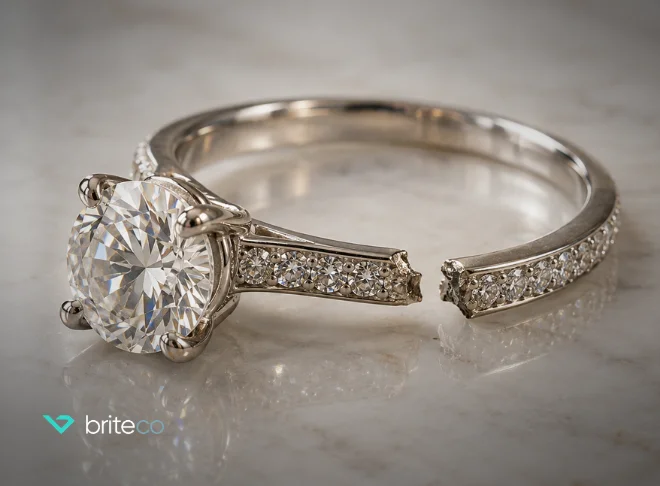
Gemology is the study of gemstones, those beautiful, colorful stones like diamonds, rubies, and emeralds. It’s all about learning where gemstones come from, how they are formed, and what makes each one unique. Someone who studies and works with gemstones is called a gemologist. These scientists examine gemstones using special tools like magnifying glasses and microscopes, identify different types of gems, check if they are natural or synthetic (human-made), assess them for quality, and even help design jewelry.
Ten of the Most Recognizable Gemstones
Diamond
Diamonds are typically clear, but they can also be found in different colors, including pink, blue, and yellow. They are the hardest naturally occurring material on Earth and are highly valued for their strength and beauty. People often think of diamonds as jewelry, like in a diamond engagement ring, but they are also used in manufacturing and as part of scientifc equipment.
Ruby
Rubies are famous for their deep red color. Referred to as the “king of gemstones,” rubies have been treasured for thousands of years. They symbolize love, passion, and courage. Some people believe that wearing a ruby brings confidence and protection from danger.
Sapphire
Sapphires are most often blue, but they can also be found in pink, yellow, green, and clear varieties. People have long believed that sapphires offer wisdom and protection from harm to those who wear them. In ancient times, kings and queens wore sapphires as a symbol of royalty and truth.
Emerald
Emeralds are bright green gemstones loved by many throughout history. They were especially prized by ancient rulers and are known as the stone of wisdom and growth. People believe that emeralds bring clarity, good fortune, and harmony to those who wear them.
Amethyst
Amethysts are vibrant purple gemstones often used in jewelry, including necklaces and rings. Some believe that amethysts bring peace, calm, relaxation, and clear thinking. It’s also said that this gemstone can ward off nightmares.
Topaz
Topaz can be found in golden, blue, pink, or clear, with golden-yellow being one of the most popular colors. It is believed to give strength, confidence, and clear thinking to those who wear it. Some also believe that topaz offers protection and healing.
Opal
Opals are iridescent gemstones that shimmer with many colors at once. This is because of their unique “play of color”; they can flash rainbow-like colors when moved. Opals are often called the “queen of gems” and are thought to bring creativity, hope, and joy.
Aquamarine
Aquamarines are light blue or sea-green gemstones that resemble the colors of ocean water. Sailors once believed that aquamarine stones would keep them safe during long journeys at sea. Today, people admire aquamarines for their beauty, and they’re said to help people feel calm.
Garnet
Garnets are usually deep red, though they can also be found in green, yellow, or orange. They are recognized as symbols of friendship, protection, and trust, and they were often used in ancient jewelry. People still enjoy wearing these gemstones today to help them to feel safe and connected.
Turquoise
Turquoise is a blue-green gemstone that was highly valued in Native American culture. It was often used in jewelry, art, and spiritual ceremonies. It is considered a sacred stone of protection, connected to the earth and the sky, and thought to bring good fortune to hunters and warriors.
What Are Birthstones?
Birthstones are special gemstones that are connected to the month in which you were born. People believe that these stones bring good luck or special qualities to those who wear them.
| Month | Birthstone |
| January | Garnet |
| February | Amethyst |
| March | Aquamarine |
| April | Diamond |
| May | Emerald |
| June | Pearl or alexandrite |
| July | Ruby |
| August | Peridot |
| September | Sapphire |
| October | Opal or tourmaline |
| November | Topaz or citrine |
| December | Turquoise or tanzanite |
Activities for a Junior Gemologist
For young students interested in gemstones, there are plenty of exciting and fun gemstone activities you can try!
- Start a gemstone collection. You can gather polished stones, colorful crystals, or even rocks from your backyard and learn their names. Use a magnifying glass to examine each stone closely and see if you can spot tiny sparkles, patterns, or interesting colors, just like a real gemologist would.
- Visit a science or natural history museum, where you can often find gemstone exhibits. You’ll get to see rare gems up close and learn about how they were formed inside Earth.
- Do a gemstone dig kit at home. Prepackaged gemstone “excavation” kits are popular among kids who enjoy science and make it easy to start or add to an existing gemstone collection.
- Try making your own gem-themed jewelry using beads or tumbled stones. This helps you understand how gems are used in jewelry design.
- Reading books about rocks, minerals, and gemstones or watching videos about how gemologists work can help you become a true gem expert.
Gemology is like learning the secrets of the Earth’s treasures. Each gemstone tells a story, and now you know how to understand them!
Additional Gemology Resources
- The Story of Gems: A kid-friendly introduction to gemology, this website helps young gemologists understand the terms you need to know.
- Facts and Myths About Gemstones: Learn more about some of the most popular gemstones you might come across.
- Mineral and Gem Gallery: Get a good look at many different types of minerals and gemstones, each amazing in its own right.
- A Birthstone Collection: Every month has its own birthstone, and each has a different scientific makeup.
- What Are Gems? Explore the science of gems and get answers to a few gem FAQs, including “What is a gem?” and “Why do gems sparkle?”
- What Is a Gemologist?: If you love gems, you could grow up to work as a gemologist. Learn more about what these gem experts do for a living.
- You’re a What? Gemologist: Get answers to your questions about what it’s like to be a gemologist from a real gemologist.
- Dig for Gemstones: Grab a shovel and get to digging for gemstones miles below Earth’s surface in this game.
- Gemstone Identification Quiz: See how many different gemstones you can identify with this online quiz.
- How to Identify Gemstones: Find step-by-step instructions on how to identify different gemstones. All gemstones are different, but by looking at their properties, we’re able to make educated guesses about what different samples are.
More Gemstones and Minerals to Check Out
- Calcite: What is calcite? Learn more about what makes calcite different.
- Citrine: Unlock the metaphysical properties of citrine, a gem valued for its healing properties.
- Feldspar: There are several feldspar deposits throughout the country that produce this valuable material used in plumbing, glass, pottery, and tile.
- Galena: Discover the properties of and uses for galena and how important it is to our future.
- Hematite: Hematite is an important iron ore that is abundant in North America.
- Quartz: What is quartz, and where can it be found? There are many different types of quartz that can be explored.
- Malachite: Vibrant malachite is a unique gemstone. Learn more about its composition here.
- Obsidian: Obsidian is a volcanic rock that was once used for Stone Age tools and weaponry. Today, we know that there are different variations of this stone, each with its own characteristics.
- Pyrite: Also known as fool’s gold, pyrite has a metallic luster that makes it attractive. It’s also hard and is capable of scratching glass.
Tiger’s Eye: This gemstone is a variation of quartz and has a distinct golden brown coloring.

Author