Beginners’ Guide to Calligraphy: Create Wedding Invitations and More
Handwriting can vary greatly, from quick scribbles on a to-do list to intricate lettering on formal invitations. While everyday writing is mostly about getting a message across, some forms focus on beauty and style as well as functionality. Calligraphy stands out as a craft that transforms writing into an art form. With the right tools, dedication, and consistent practice, you can learn to create stunning calligraphic designs.
What Is Calligraphy?
Calligraphy is a creative technique that uses pens or brushes to produce decorative, artistic lettering. The goal is to ensure that the writing is easy to read while giving it a visually appealing, artistic quality. Every stroke is intentional, carefully shaping the thickness and flow of the letters to make them both elegant and balanced.
- What Is Calligraphy?
- Calligraphy: The Traditional and Modern Art of Handwriting
- Understanding Basic Chinese Calligraphy Characters
- The Art of Arabic Calligraphy
- Top Calligraphy Masterpieces of Ancient China
- Why the Ancient Art of Calligraphy Still Enchants
Calligraphy History
The art of calligraphy has roots stretching back thousands of years, closely tied to the origins of written language. Early examples can be seen in ancient Aramaic and Hebrew writings, which used varied stroke widths to add artistic flair. Similarly, some of the first copies of the Quran also displayed these decorative techniques. China was one of the first civilizations to elevate calligraphy into a revered art form, particularly during the Han Dynasty. Mastering calligraphy became essential for writing Chinese characters skillfully, and for more than a thousand years, from the 6th century to the early 20th century, it was a necessary skill for those seeking government positions.
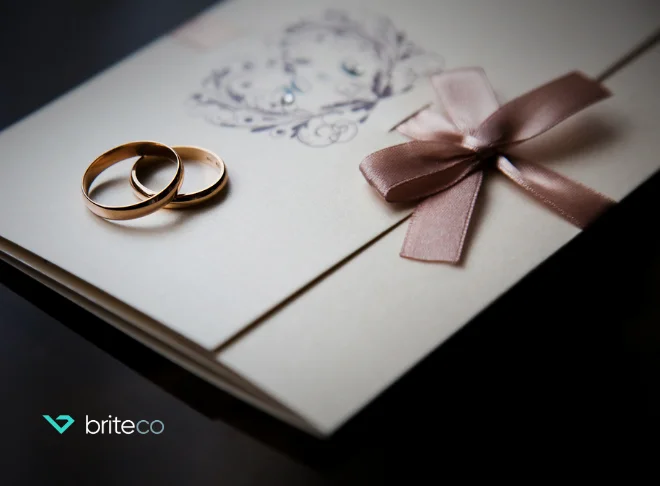
Interestingly, the term “calligraphy” wasn’t used until the 17th century. Before the invention of the printing press in the 15th century, most writing was done by hand and clarity was valued over style, so a separate term for decorative handwriting wasn’t needed. However, once typesetting became the norm, calligraphy evolved into an artistic pursuit rather than a practical one. Today, calligraphy is used primarily for creative projects, such as making artwork or enhancing the elegance of formal wedding invitations, maintaining its timeless appeal while being both functional and beautiful.
- Callligraphy: Types and History
- The Art of Calligraphy in Asia
- Calligraphy and Islamic Design
- History of Calligraphy and its Relation to the Arts
- China’s Calligraphic Arts
- Early Forms of Calligraphy and Writing Techniques
- Calligraphy in Islamic Art
Get Started Learning Calligraphy
Learning calligraphy begins with gathering a few essential tools, like paper and a pen. A popular choice among beginners is a brush pen, which is simple to use and lets you create smooth lines with varying thicknesses. For a more traditional experience, you might opt for a dip pen, complete with interchangeable nibs and ink.
Once you’ve got your materials, the next step is to focus on mastering the basic strokes and letter shapes. This process is similar to learning how to write when you were young. You can use printable practice sheets or follow video tutorials to help guide you. Whichever method you choose, repetition is key; practicing each stroke and letter form repeatedly will help you develop precision and build muscle memory. Over time, your skills will improve, and you’ll gain confidence in crafting beautiful, consistent letters on engagement party invitations, wedding announcements, and other important pieces of writing.
- How to Learn Calligraphy
- Calligraphy for Dummies
- Calligraphy Warm-Ups
- Free Calligraphy Practice Sheets
- How to Write in Calligraphy
- Find Your Unique Lettering Style
- A Beginner’s Guide to Chinese Calligraphy
Glossary of Terms
- Ascender: The part of a lowercase letter that extends above the height of the letter “x,” as seen in letters like “b,” “d,” and “h”
- Baseline: The imaginary horizontal line where the bottoms of most letters align, excluding those with descenders, like “p” or “g”
- Counter: The enclosed or partially enclosed space inside a letter, such as the middle of “o,” “p,” or “e”
- Descender: The part of a letter that stretches below the baseline, found in letters like “g,” “y,” and “p”
- Gothic: A style of type characterized by thick and thin strokes and often a distinctive black-letter appearance, commonly associated with medieval manuscripts
- Italic: A style of writing or calligraphy with slanted, flowing letters, often resembling cursive
- Kerning: The process of adjusting the spacing between specific pairs of letters to create a visually balanced and appealing layout
- Ligature: The combination of two or more letters joined into a single connected shape to enhance readability or aesthetics
- Majuscule: An uppercase letters that is typically larger and more formal, often used for emphasis or in traditional manuscripts
- Minuscule: A lowercase letter that is smaller and more rounded than uppercase letters, developed historically for improved readability of long texts
- Serif: A small decorative stroke added to the end of a line in a letter
- Stroke: A single mark or line created with a writing instrument, forming part of a letter or design
- Tines: The two slender metal tips at the end of a pen nib that separate slightly under pressure to release ink
- Underturn: A downward stroke that curves upward at the end, commonly used in forming letters
- X-Height: The distance from the baseline to the top of a lowercase letter’s main body, excluding ascenders and descenders
Additional References on Calligraphy

Author