From rain on the wedding day to accidentally seeing the bride in her wedding dress before the wedding ceremony, there are a ton of wedding superstitions that could impact just about every element of your celebration! Whether or not you actually worry about them depends on your culture, family, and, ultimately, how much you want to let a little superstition dictate whether or not you have a happy marriage.
Ultimately, you and your spouse-to-be can follow the rituals and observe the superstitions that feel most meaningful to you when you get married, while skipping the ones that don’t resonate. Below you’ll find some of the most common wedding superstitions, as well as some common-sense tips for avoiding real-life wedding day bad luck.
(Rather rely on a solid backup plan than a lucky charm? Get a quick wedding insurance quote to protect your big day.)
What You Will Learn
- Do Superstitions for Weddings Really Matter?
- What are Wedding Superstitions? Types of Wedding Superstitions You’ll Hear About
- Are Wedding Superstitions Impacting Your Wedding Budget?
- How to Avoid Real-Life Wedding Day Bad Luck
- How to Deal with Wedding Bad Luck Superstitions Without Losing Your Mind
- FAQs About Wedding Superstitions
- You Don’t Need a Good Luck Charm — You Need Wedding Insurance
Do Superstitions for Weddings Really Matter?
Whether or not wedding superstitions really matter is entirely personal, but if you answer “yes” to two or more of these questions, it’s likely that a few are going to come up during your wedding planning: If any of this sounds like you, here’s a breakdown of some of the most common international and American wedding superstitions.
What are Wedding Superstitions? Types of Wedding Superstitions You’ll Hear About
Pre-Wedding Day Superstitions
Pre-wedding superstitions begin far ahead of your special day, and include picking the right wedding date, picking the right engagement ring, and watching out for any pre-wedding dreams.
- Unlucky Days or Months to Get Married
Is there such a thing as an unlucky time to tie the knot? This depends on what you’re basing your idea of luck on. Perhaps you’re following the tradition of a particular culture or religion, or choosing a lucky or unlucky date based on astrology.
According to ancient Roman tradition, May is an unlucky month for weddings, while a wedding in June is said to honor the ancient Roman goddess of fertility. Some days are considered bad news across the board, such as Friday the 13th and, in many cultures, Wednesdays.Saturdays are also considered bad luck according to English folklore, though this is arguably the most common and convenient day to get married!
- Unlucky Engagement Rings
Pearl engagement rings are believed by many to be bad luck, as the shape of a pearl sometimes resembles the shape of a teardrop.Inherited engagement rings are said to carry the emotional baggage of the previous wearer.
- Unlucky Wedding Dreams
It’s not uncommon to dream about an upcoming big life event, but some will say that if you’re having nightmares about getting married, it’s a bad sign. However, it’s likely just the stress.
- Using your Married Name Early
Some caution the bride-to-be against using her new married name or initials before the wedding has taken place. Supposedly, jumping the gun may jinx the event and cause trouble in the marriage before it’s even begun.
Attire and Color Superstitions
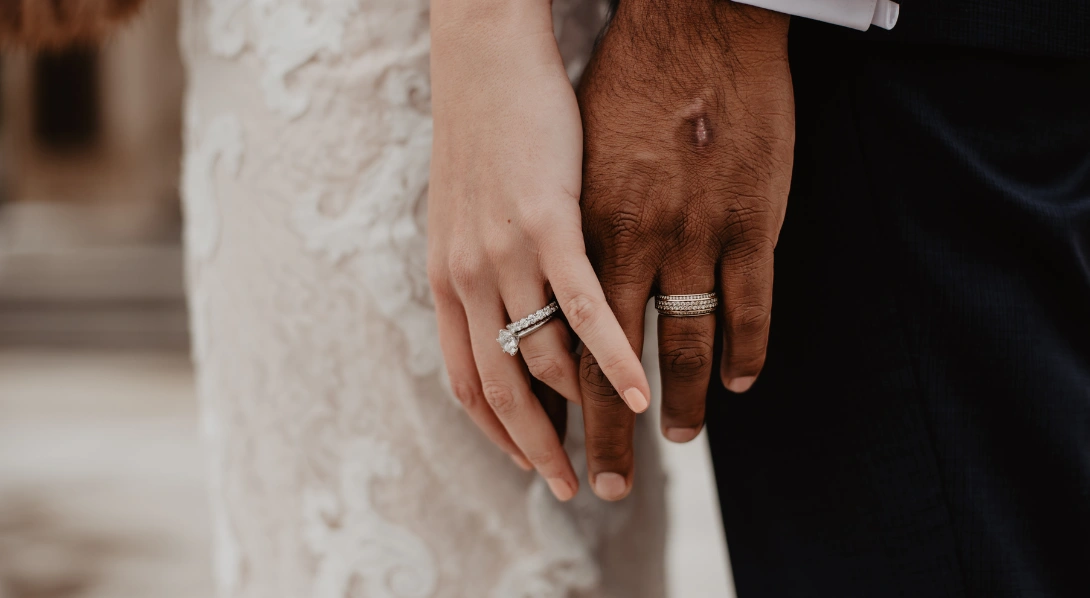
There are tons of superstitions regarding wedding attire and the colors that you wear on your wedding day, with some of these wedding traditions dating all the way back to ancient times.
- While Queen Victoria kicked off the white wedding dress craze in the Western World, this color, though symbolic, isn’t necessarily considered lucky. In other cultures, hues such as red, blue, purple, and gold are deemed auspicious.
- As mentioned, wearing a wedding veil may ward off evil spirits that bring misfortune.
- You might wear “something old, something new, something borrowed, something blue,” in hopes of good fortune.
- Putting a coin in the bride’s shoe is thought to bring good luck, as well as grant the bride and groom financial security. The Swedes typically offer a silver coin, while Hispanic traditions favor gold coins, and British customs prefer a sixpence.
Ceremony Superstitions
While it was once considered bad luck to see one another before the ceremony, this superstition has largely fallen out of favor thanks to new traditions like first looks.
However, other unlucky things that can occur during the ceremony include:
- Someone dropping the wedding rings
- Someone tripping as they enter the ceremony space
- The wedding rings not fitting correctly
Superstitions for Good Luck
There are a few incidents that one would think would signify bad luck, but often do the opposite in certain cultures:
The often-mentioned rain-on-the-wedding-day superstition is actually related to good luck, as the rain represents fertility and abundance.
Finding a spider on your wedding dress is also considered to be a predictor of good fortune according to English wedding folklore, though the very idea might give you the ick at first.
Finally, when a glass breaks at a Jewish wedding ceremony, there’s positive symbolism behind it; it’s said that the sound wards off bad spirits.
The hand you choose to wear your ring on also comes with historical significance. The ancient Romans believed that the vena amoris (that is, the vein of love) ran from the fourth finger of your left hand straight to your heart, hence why many cultures still opt to wear wedding rings accordingly. While modern medicine has since disproven this, it’s a beautiful concept to ponder.
Wedding Guest Superstitions
Wedding superstitions don’t just impact you and your fiancé; they also extend to your guests. You probably know that it’s considered good luck to catch the bouquet or garter toss, but did you also know that…
- To avoid bad luck, if a bride marries before her older sister, the older sister should dance barefoot at the reception.
- Guests can take a slice of the groom’s cake and sleep with it, to dream of their future spouse.
- Guests who bring a sugar cube to the wedding can help ensure happiness for the newlyweds.
- Some see it as bad luck to receive mirrors, knives, and clocks as wedding gifts.
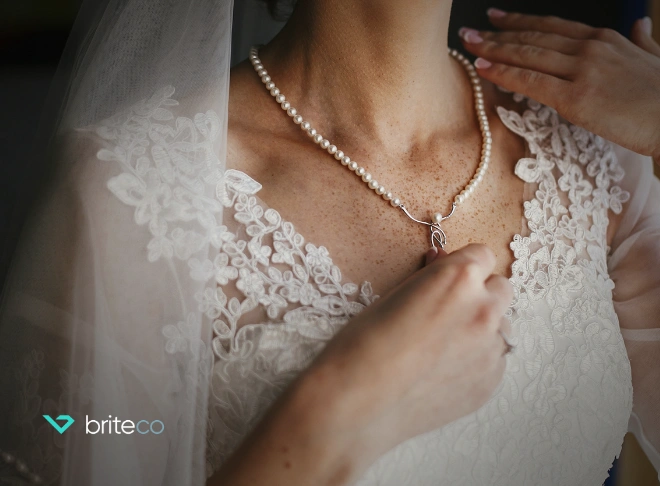
- Just like pearl engagement rings are bad luck, so is wearing pearls to a wedding.
Beyond just not wearing white, there’s also a ‘wearing red to a wedding’ superstition, which some say symbolizes that one of the newlyweds has had an affair.
Are Wedding Superstitions Impacting Your Wedding Budget?

Wedding superstitions not only impact your wedding planning, but also your wedding budget. You may find that certain superstitions are needlessly costing you money. For example:
- If certain lucky dates or months coincide with peak wedding season, or if those dates fall on a weekend, then you may pay more for your venue and vendor services.
- If you choose your venue based on luck, rather than its suitability for your event, as well as its safety and backup options for inclement weather, you could not only pay more but also deal with day-of hurdles.
- Adding extra clothing, décor, favors, or guest experiences for “good luck” can drive up costs.
- If you make changes to your wedding dates or vendors after you’ve already put down deposits, just based on ominous feelings, you may find that you lose those deposits.
However, for a fraction of your overall wedding budget, wedding event or cancellation insurance can help safeguard you against genuine problems like extreme weather, vendor no-shows, illness, and venue issues in a way that superstitions just can’t.
BriteCo’s event cancellation insurance policies start at $125, with exact pricing based on event details.
How to Avoid Real-Life Wedding Day Bad Luck
If you’re worried about certain superstitions and wedding day bad luck, there are steps you can take to calm your nerves and ensure your wedding day goes off without a hitch- no reliance on old wives’ tales needed. Plan ahead, take precautions, and consider a specialized wedding insurance policy.
Worried About Seeing Your Partner Before the Ceremony?
Choosing not to see one another before the altar, or abstaining from a ceremonial first look based solely on superstition? Wondering if the extra effort is even worth it? Go with the plan of action that will be most meaningful to you and your spouse, as well as the one that’s best suited to your wedding day schedule.
What you don’t want is to avoid each other all day purely due to superstition, and then spend the rest of the afternoon stressed trying to get all your photos done between the ceremony and reception.
Worried About Wedding Day Weather?
Even though rain is considered good luck, you’ll still want to be sure that you have backup venue options in the event of inclement weather. It’s wise to have wedding event cancellation insurance just in case the weather is bad enough to pose a safety hazard. Put your energy into contingency plans and coverage, not worrying about omens.
Worried About Dropping the Ring or Loose Rings During the Ceremony?
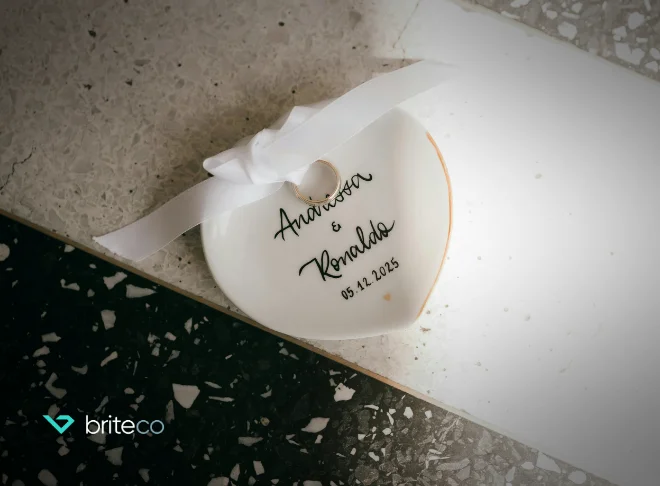
Make sure that your rings are properly sized ahead of time, and consider outfitting your ring bearer with a secure method of transporting the rings down the aisle. A box is far more secure than a pillow!
If the ring is dropped, make sure to get it inspected later for damage.
Just Have a Bad Feeling Overall?
Put all the necessary measures in place ahead of time. Double-check your contracts and timelines, and make sure you have the right wedding insurance. Proper planning will prove to be more useful than any good luck charms.
How to Deal with Wedding Bad Luck Superstitions Without Losing Your Mind
- List the superstitions you’re hearing from family, friends, or social media.
- Sort them into categories; separate the superstitions and traditions that are meaningful to you vs. those that are meaningful to others or just interesting to ponder.
- Decide on your non‑negotiables as a couple. What traditions and superstitions do you want to follow?
- Talk to key family members early and acknowledge their beliefs, explaining your plan to honor what you can.
- Build practical backup plans related to weather, vendors, and your wedding day schedule.
- Decide if wedding event and cancellation insurance make sense based on your budget and risk, venue rules, any necessary travel, and wedding date.
- Document everything (vendor contracts, receipts, insurance coverage), so you’re relying on plans and policies, not just lucky numbers.
FAQs About Wedding Superstitions
What are the most common wedding superstitions?
Some of the most common wedding superstitions include not seeing one another before the ceremony and wearing something old, new, borrowed, and blue.
Is it really bad luck for your partner to see you before the wedding?
Historically, this was considered bad luck due to the prevalence of arranged marriages (someone might get a peek and decide to bail), but today this is not a concern.
Is rain on my wedding day good luck or bad luck?
Many consider it good luck to get rain on your wedding day, but from a practical standpoint, it can be a pain. Make sure you have a backup plan if rain interferes with your ceremony and reception.
Are pearls bad luck at a wedding?
Yes, in some cultures. Pearls may be considered bad luck at a wedding as they’re said to resemble teardrops.
What does it mean if a ring is dropped during the wedding ceremony?
Historically, it was thought that dropping a ring during the wedding ceremony was bad luck, but there’s no need to worry about a comical blunder such as this ruining your chances at a successful marriage.
You Don’t Need a Good Luck Charm — You Need Wedding Insurance
Wedding superstitions can be a fun way to connect with history, culture, and family, but they shouldn’t ruin your planning or your peace of mind. While you can’t control every twist of fate, you can control backup plans, contracts, and insurance coverage.
If you’d feel better knowing that real‑world surprises are covered, take a minute to check your wedding insurance price online (plans often start around $125) so you can enjoy your big day — lucky charms or not.
Related Articles:
Fun Bachelorette Party Ideas for Your Bride Squad
Maid of Honor Gifts for Bridesmaids
Wedding Photo Booth Rental Guide
Affordable Wedding Insurance: More Coverage, Less Cost!

UP NEXT: What to Write in a Wedding Card: Templates & Examples

Author