What Are ETA Movements?
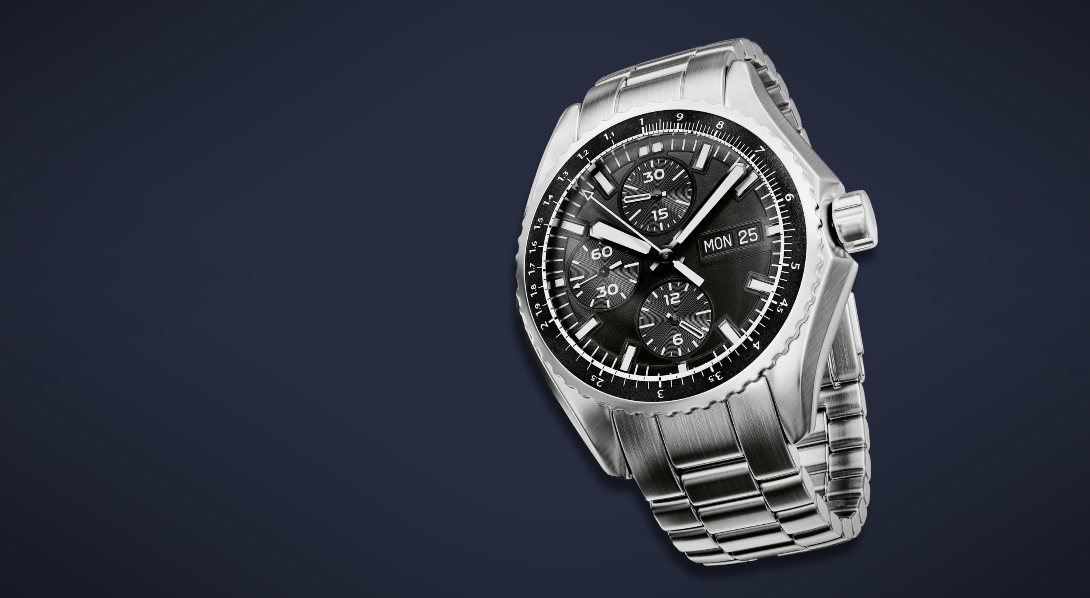
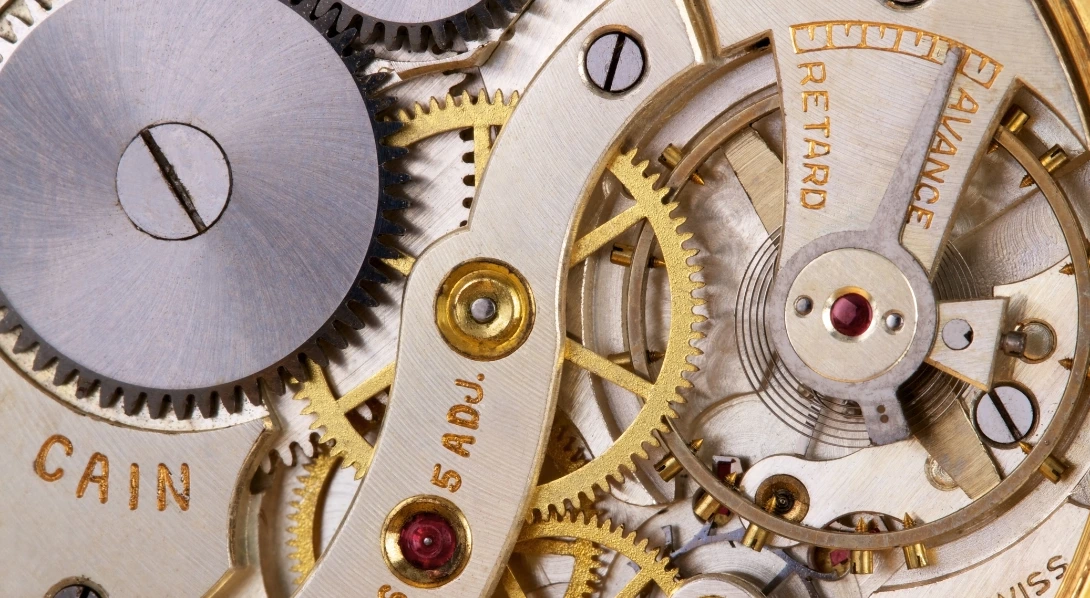
If you think of a watch’s movement as its heart and soul, it’s easy to understand the importance. It’s the one thing making the whole show work. Watch movements come in several different varieties, but the result is always the same: it keeps the watch … moving. It ensures it keeps accurate time and continues running while completing any other functions you might desire.
One type you may come across as you research timepieces is ETA watch movements.
But what are ETA movements, and why do they matter in the watch industry, particularly the Swiss watch industry? Here’s everything you need to know.
What You Will Learn
A Quick Recap on Watch Movements
Before you can delve into the intricacies and history of ETA watch movements, it’s important to understand them in general.
Also called a watch caliber, watch movements can be broken down into several different “types,” including:
- Mechanical movements
- Quartz movements
- Automatic movements
- Solar movements
While you can read our guide to different types of watches and their movements to learn about all of these types, it’s important to know more about mechanical and quartz movements for the purposes of discussing an ETA watch.
To put it simply, mechanical watches are the old-fashioned variety. The movement comprises springs, gears, and similar pieces that all work together to keep the watch accurate and running correctly. In order to keep running, mechanical watches need to be wound by hand (or they may be wound during daily wear).
Quartz watches, meanwhile, have a quartz crystal and battery within the movement, and this combination powers the watch to keep it running on time.
While the intricacies of watch movements go much deeper than these simplified definitions, these are the basics.
ETA Watch Movements: What Is ETA?
When referring to watches and complicated movements, “ETA” doesn’t just refer to “estimated time of arrival.”
In this case, “ETA” is a company, specifically ETA SA Manufacture Horlogère Suisse. This Swiss watch manufacturer is among the most important in the Swiss watchmaking industry.
Today, ETA is owned by the Swatch Group, but it actually got its start in the mid-1800s with the Eterna Swiss watch movement factory. By the early 1900s, the movement branch of Eterna had spun off into ETA AS. As ETA’s reputation grew, multiple consolidations and acquisitions occurred, with various movement manufacturers coming together beneath the ETA umbrella.
As such, when someone refers to an ETA movement watch, they’re saying that it was produced by ETA, though the watch itself may be sold under various brands, particularly luxury watch brands.

Brands that currently use or historically used ETA watch movements include:

What Are the Different Qualities of ETA Movements & Why Do Brands Like Them?
Luxury watch brands appreciate and use ETA movements because they’re widely known in the Swiss watch industry as highly accurate, precise, and high-quality. ETA movements are also known to continue working with precise accuracy for much longer than other movements might — even decades — without the recommended maintenance every few years.

Using an ETA movement also negates the need to produce an in-house movement specifically for the brand’s use alone. This in-house process can cost more overall — though it does result in a watch movement exclusive to the brand’s own watches, which may be desirable if the brand wants to craft a particularly unique chronograph movement. (A chronograph movement offers features beyond telling time, such as acting as a stopwatch.)
Popular ETA Movements
ETA has a variety of movements that you can find used throughout the watch industry. These movements are usually simply indicated with a number. Still, if you’re researching a watch to potentially buy and see one of the below phrases used in the watch description, you’ll know that you’re looking at a watch with a very popular ETA movement. These may include:
- ETA 2824
- ETA 2892-A2
- ETA 7750 (or Valjoux 7750)
Should You Buy a Watch with an ETA Movement?
There’s much to be said about buying a watch with an ETA movement. However, it’s not always the best choice, and while some watch collectors may prefer them, others may eschew them. Here’s what to consider.
Pros and Cons of In-House Movements
If you’re not buying a watch with an ETA movement, you’re likely buying a watch with a movement produced in-house by the brand. This has some pros and cons.
On the one hand, the movement would have been made exclusively for this watch or brand, making it unique, exclusive, and collectible.
On the other hand, it’s worth asking: Does the watch brand have the capabilities and talent to create an in-house movement that will be as accurate and high-quality as an ETA movement?
What Are Your Brand Preferences?
Brand preferences may be more important to you than the specifics surrounding the watch’s internal movements. While many popular brands use ETA movements, not all do. For example, while Rolex has historically used ETA movements for some of its models, it doesn’t anymore, opting for in-house movements instead.
In this case, if you really prefer Rolex watches over other options, you might find that you don’t mind the in-house movement, which many consider to be just as high-quality as ETAs.
Cost
Of course, cost and budget are other factors that watch collectors must consider before buying any timepiece, even if you think of a watch as an investment piece. Watches with ETA movements may be more affordable since it’s less time-consuming for brands to buy ETA movements for their watches versus going through the trouble of designing, manufacturing, and installing their own in-house movements.
If you have a specific price point that you need to stay under with an upcoming watch purchase, looking at watches that contain ETA movements could help you stay within budget.
ETA Movements FAQs
Why Are Swiss Watches Considered to Be Some of the Best?
Swiss watches are known for their high quality and craftsmanship. The industry’s wide use of ETA movements has added to this reputation.
What Is a Chronometer Grade?
A chronometer grade or rating tells you how accurate a watch is at keeping time.
What Are Watch Movements?
A watch movement refers to the interior mechanics of a watch and how it is powered and functions. Mechanical and quartz movements are the most popular options.
What Is a Watch Complication?
A watch complication is a feature that goes beyond telling the time. Complications might include a day or date display, moon phase display, or multiple time zone display.
What Watch Brands Use Eta Movements?
Several notable luxury watch brands use ETA movements, including Breitling, TAG Heuer, and Longines.
Whatever Your Watch Choice, Protect It with BriteCo Insurance
Whether you buy a watch with an in-house movement or an ETA movement, ensure it’s adequately protected with luxury watch insurance. If your watch is damaged or lost, BriteCo’s comprehensive coverage can help.
Get your luxury watch insurance quote now.
Related Articles:
What is Tourmaline? A Quick Guide to the Popular Gem
What Is a Chalcedony Stone?
The Best Way to Get Audemars Piguet Insurance
Do Omega Watches Hold Their Value?
Everything You Need to Know About Tudor Watch Insurance
What Is a Spinel Gemstone?
Expert Tips on How to Store a Watch!
How to Tell if a Cartier Watch Is Real
Appraisal Tool:
The Easiest Way to Get a Professional Jewelry Appraisal Valuation!
UP NEXT: Watch Crystal Replacement Cost: The Price of Scratches, Chips, and Cracks

Author