The history of cufflinks begins around the 1600s, when the earliest versions appeared that helped to secure the cuffs of a fancier shirt. The accessory became more widespread throughout the 1700 and 1800s, and today, they are a staple in most men’s wardrobes.

Historic cufflinks, though, probably look a bit different from the pairs you own. Keep reading to see how cufflinks were properly introduced to general society and how they’ve changed over the years.
What You Will Learn
What Was Used in Ancient Times Before Cufflinks?
Before anyone invented the cufflink, men held their sleeves together by tying a length of string, ribbon, or something similar around their wrists. This efficient method was used for millennia, from the time that men began wearing shirt-like garments around 5,000 BCE all the way through the 1600s.
There is one big reason why this antiquated method may have stuck around as long as it did. For a good portion of history, men’s clothing featured many layers and the bottom shirt layer would not have been seen, negating the need for any special adornment, such as elegant cufflinks made from precious metals or those featuring precious stones.
17th Century Early Forms of Cufflinks
The earliest cufflinks appeared in the 1600s to 1700s, during a time when men’s clothing changed slightly to incorporate more ornamentation. It’s difficult to trace cufflinks history to any specific person or inventor, but it’s largely agreed that around this period, European tailors began adding small buttonholes at the end of their shirt cuffs. Two linked buttons could be then used to hold the cuffs together.
This design was not known as “cufflinks” at the time. Instead, in France, they were known as “boutons de manchettes” or sleeve buttons, its literal translation. Some credit the French with kicking off this fad. In fact, King Louis XIV very likely did wear cufflinks. Meanwhile, across the pond, King Charles II popularized cufflinks by regularly wearing them publicly.
Beyond royalty, cufflinks became more popular within the upper classes and appeared in military uniforms.
At this time, cufflinks came in myriad shapes and were made from various materials, including precious metals. Octagonal, round, and oval cufflinks were popular, and materials used in both the actual cufflinks and their chains included glass, gold, and silver. Eventually, makers began adding semi-precious gemstones to the cufflinks, including diamonds, for a fancier approach.
Cufflinks in the Industrial Revolution
During the Industrial Revolution, cufflinks could be mass-produced, meaning that they could be afforded and worn by more than just the upper class as a status symbol. Additionally, as men’s shirt styles changed in this era, these new styles necessitated cufflinks, too.
It was German immigrant George Krementz who really made the mass production of cufflinks possible, approaching the process with inspiration from the mass production of bullets.
Cufflinks around this time period reflected Victorian aesthetics, with luxury gold and gemstone ornamentation, as well as unique designs.

Additionally, methods of fastening cufflinks became more varied, too, moving beyond the chain attachments previously popular to also include T-bars, toggle buttons, twist mechanisms, and more.
Another interesting trend in the 1800s came after the advent of photography, when some men would hide photos of mistresses inside a hidden pocket cufflink.
Where to See Historic Cufflinks
If you want to see some historic cufflinks or sleeve buttons, you can do so at various major museums, including the Metropolitan Museum of Art, National Museum of American History, and The British Museum.
- At The Met, check out an 1880 pair of cufflinks from Tiffany & Co., and sleeve buttons dating to the 1700s.
- At the National Museum of American History, view cufflinks crafted throughout the centuries, including those that belonged to Americans of note.
- At The British Museum, see cufflinks sourced from around the world, such as Mughal dynasty cuff links or glass shell-shaped cufflinks that date to the early 1700s.
Cufflinks in the Modern Era
Cufflink popularity waned somewhat after the 1800s, but rebounded soon enough, leading to today’s popularity.
As companies began mass producing shirts with buttons already attached at the cuffs, an early 20th century men’s shirt didn’t necessitate cufflinks. However, with the growing popularity of the double cuff or French cuff a few decades later, cufflinks regained their status with particularly fashion-forward men.
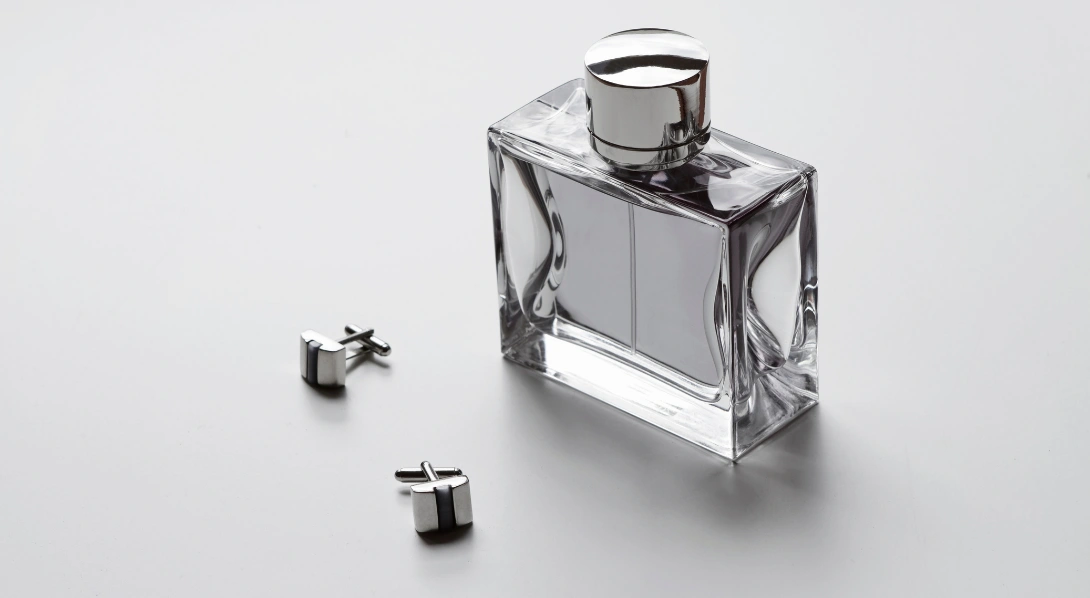
Throughout the 20th century, cufflinks evolved in style and size, too, and new fastening methods were developed. Designs and materials likewise continued to grow in variety.
Today, you can find the accessory made out of just about anything (seriously — you can buy cufflinks made from bourbon barrels or the seats of your favorite sports stadium) and reflecting just about all interests, personalities, and styles.
Buying Cufflinks Today
Today, there’s no need to be royalty to purchase your first pair of cufflinks, but you will want to take a few factors into account, including formality, materials, and your overall style.
You may not be attending royal occasions and special events of similar note, but you should still consider where and when you’ll be wearing your cufflinks when you pick them out. Formal occasions require a more classic look, such as plain or monogrammed gold cufflinks. More casual occasions can make way for novelty cufflinks or those made from unique materials.
If you’ll be wearing your cufflinks daily, you’ll want to ensure that you’re purchasing a pair made from a high-quality, durable material like metal that won’t require a huge amount of maintenance.
Lastly, consider your personal style. Cufflinks have always been an avenue for expressing one’s self, so yours should reflect your tastes, interests, and personality.
Purchase a Piece of Cufflink History
If you’d like to purchase cufflinks that reflect this accessory’s long history, look no further than Deakin & Francis. Deakin & Francis have been manufacturing the world’s finest jewelry since 1786, including cufflinks.

The brand’s cufflinks come in a wide range of styles and feature precious and semi-precious metals, including sterling silver. Deakin & Francis states that its cufflinks are designed to last several lifetimes, becoming a treasured family heirloom.
Cufflinks FAQs
When Did Cufflinks Become Popular?
Cufflinks became popular in the 17th century, when wealthy individuals began following the style of King Charles II. King Charles II recognized the unique style and often wore them publicly. Before that, historic garments like 13th century shirt cuffs were held together with bits of string or leather.
What Did Cufflinks Historically Symbolize?
At the time that cufflinks were only worn by royalty and nobility, they were seen as a symbol of wealth, power, and reputation.
When Did Cufflinks Become More Common?
More cufflinks entered the general population during the Industrial Revolution, when 19th-century men’s shirt makers began changing their styles, necessitating cufflinks, and as cufflinks became cheaper to produce. As the style became more affordable, many middle-class men were gifted cufflinks, creating collections for both everyday and formal wear.
What Were Cufflinks Historically Made From?
Historically, cufflinks were made from a variety of precious metals, such as gold, adding semi-precious metals into the mix as well. Precious gemstones or stamped features were added for further ornamentation.
What Should You Consider When Buying Cufflinks?
Always consider formality, material, durability, and your own personal style when buying a pair of cufflinks.
Protect Valuable Cufflinks with Comprehensive Jewelry Insurance
Whatever your taste, and no matter how large your cufflink collection, they could be just as much at risk for theft, damage, or loss as an engagement ring or similar piece of jewelry. As such, you should consider jewelry insurance to protect them.
BriteCo provides specialty jewelry insurance that covers cufflinks and ensures your valuable items can be repaired or replaced when the worst happens. Learn more and get your quick jewelry quote today.
Related Articles:
Gift Ideas for Chinese New Year
US States with the Most Jewelry Theft
How Do I Put on Cufflinks?
1940s Jewelry: Retro-Era Glamour From Wartime to Hollywood
Get a Quote:
The Easy Way to Insure Your Jewelry - and Save Money!
UP NEXT: What are the Odds of Losing or Damaging Jewelry?

Author