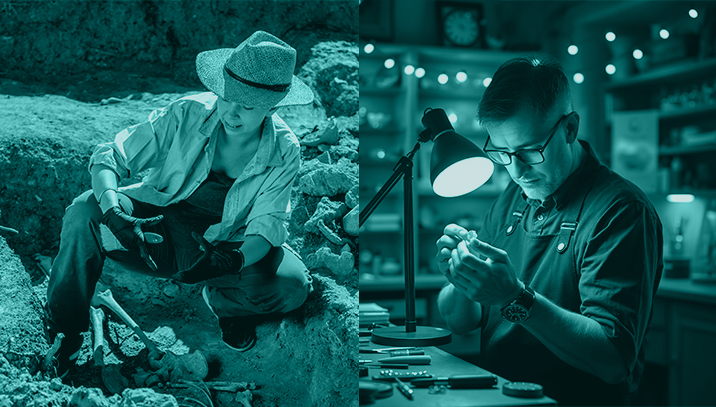
Gemology and geology are often confused because both fields deal with Earth and its natural materials. But while they sound similar, they focus on different things. A gemologist works mainly with gemstones, while a geologist studies Earth’s structure and history and the processes that shape it. These two careers may overlap in some ways, but they lead to very different paths.
What Is a Gemologist?
A gemologist is a professional who studies gemstones. They learn how to identify, grade, and evaluate gems like diamonds, sapphires, emeralds, and rubies. Some gemologists work in jewelry stores, grading stones for value and authenticity. Others work in laboratories, using tools to analyze the chemical and physical makeup of gems. Some even help in sourcing a particular type of gem or verifying ethical mining practices.
What Is a Geologist?
A geologist studies Earth itself. This includes rocks, minerals, mountains, earthquakes, volcanoes, and fossils. Geologists look at how the planet has changed over millions of years and how natural forces like water, wind, and tectonic plates continue to shape it. They work in many areas, from oil and gas exploration to environmental protection and climate research.
Educational Requirements
Gemologists and geologists need different levels and types of education. Gemologists usually earn a certificate or diploma from a specialized school or institute. Gemology programs can take anywhere from a few months to a couple of years. Some gemologists go on to earn degrees in related fields like geology or materials science, but it’s not always required.
Geologists usually need at least a bachelor’s degree in geology, earth science, or a similar subject. Many go further and earn a master’s degree or even a Ph.D., especially if they want to teach or do research.
What Do They Need to Study in College?
Gemologists focus on gem identification, grading systems, crystallography (the study of crystal structures), and gemstone treatments. They also study how to use microscopes and refractometers, and they need to learn a lot about chemistry and optics.
Geologists study a wide range of sciences. They take courses in chemistry, physics, biology, and especially geology. Topics that they study include mineralogy, paleontology, sedimentology, volcanology, and hydrology. Fieldwork is often a big part of a geology program.
What Jobs Do They Do?
Gemologists often work in the jewelry industry. They may become appraisers, laboratory graders, buyers, or consultants. Some work with auction houses or in museums. Others go into gemstone sourcing, making sure that stones are mined responsibly and legally.
Geologists may work for oil and gas companies, environmental consulting firms, government agencies, mining operations, or universities. They might look for natural resources, help prevent landslides or earthquakes, clean up polluted areas, or teach others about Earth science.
What Tools Do They Use?
Gemologists rely on tools that help them examine small details. These include loupes (small magnifying glasses), microscopes, spectroscopes, refractometers, and polariscopes. Some labs also use advanced tools like X-ray fluorescence machines or infrared spectrometers.
Geologists use a wide variety of tools depending on their specialty. In the field, they carry rock hammers, compasses, GPS devices, and sample containers. In labs, they use microscopes, chemical analysis tools, and computers to model geological data. And some use satellite images and seismic equipment to study underground geological features.
Additional Resources
Gemology
- What Is a Gemologist? Learn more about what gemology is and what a career in gemology is like.
- Introduction to Gemology: This page contains a thorough guide to what gemologists are and how to become one.
- Gemology: Identifying and Valuing Gemstones: Gemologists can help to classify what a gemstone is and how much it’s worth.
- How to Become a Gemologist: The career experts at Indeed put together this resource to explain how you can begin a career in gemology.
- Gemology Career Options: On this page, you can find out more about the different career paths that gemologists can take.
- Interactive Colored Stones Tutorial: If you’re interested in gemology, you can start learning about gemstones with this resource.
- Red Gemstones: History, Lore, and Gemology: Watch an in-depth exploration of the science and stories behind rubies, garnets, and spinels.
- Why Does the Study of Gemology Matter? Gemology is a crucial part of the jewelry industry, affecting the gems sold and worn by people all over the world.
- Jewelry Appraisals: Learn about how to find the value of an engagement ring before you buy jewelry insurance and where you can find a local jewelry appraiser.
- You’re a Gemologist? Read about how one gemologist got started in this career and what she does in the course of her work.
- Gems and Minerals: Beauties and Building Blocks: Both rocks and gemstones are made from minerals, but they’re structured in different ways.
- Analytical Techniques in Gemology: Over the decades, the equipment used to examine and understand gemstones has become more and more advanced.
- Geological Origin of Gemstones: Where geology and gemology intersect is in the formation of gemstones, which are made of materials that crystallize underground.
- Rare Gemstones Shed Light on Conditions Deep Within Earth: Learning about how gemstones form helps teach us about the chemical interactions and physical changes that can take place deep underground.
- George Frederick Kunz: America’s First Gemologist: Gemology is a fairly young scientific discipline, and one of its pioneers was George Frederick Kunz, who wrote a seminal work in this field and changed how people thought about semiprecious stones.
Geology
- Geology 101: Learn the basics of what geology is on this page.
- Geological Processes: Earth’s surface is always changing, and geologists study how these changes happen.
- Why Study Geology? Geologists study natural processes and help humans to better understand and take care of our world.
- The Geologic Time Scale: Geologists study things that may have taken thousands or even millions of years to form, so they often work with a much larger timeline than the history of human existence.
- What People Do With a Geology Degree: Studying geology can lead to a variety of careers.
- Six Wild Things We Learned About Earth in 2024: Geologists are still uncovering new knowledge about our planet every day, and 2024 was a particularly good year for geological discoveries.
- What Geoscientists Do: Find out more about the types of jobs that geologists do and the fields they contribute to.
- Careers in Geology: Areas of focus for geologists can include how water moves through the ground, how different processes change Earth’s surface, what engineers can do to make sure that the structures that they create are safe to use, or how to extract valuable materials from the ground without causing environmental damage.
- Patterns of Mineral Extraction: Removing rocks and minerals from the ground can have a big impact on the lives of the people who live nearby.
- Hydraulic Fracturing Facts: Geologists sometimes find themselves doing research and educating the public on controversial issues like fracking.
- How Geology Affects Your Everyday Life: Most people don’t think about geology much, but the work of geologists is all around us all the time.
- Geology: Not Just Rocks: This article explores what geologists do and how it affects people’s lives.
- What Geological Forces Shape Your World? PBS put together this video that serves as an introduction to why studying geology is important.
- Five Things You Didn’t Know About Geology: The work of geologists is often taken for granted, but it’s played an important role in making sure that we have things that we all rely on, from clean water to smartphones.
Geological Survey Aims to Uncover Mineral Supplies: A major effort by the U.S. Geological Survey has been mapping out America’s hidden mineral deposits in the hopes of reducing the country’s reliance on foreign resources.

Author