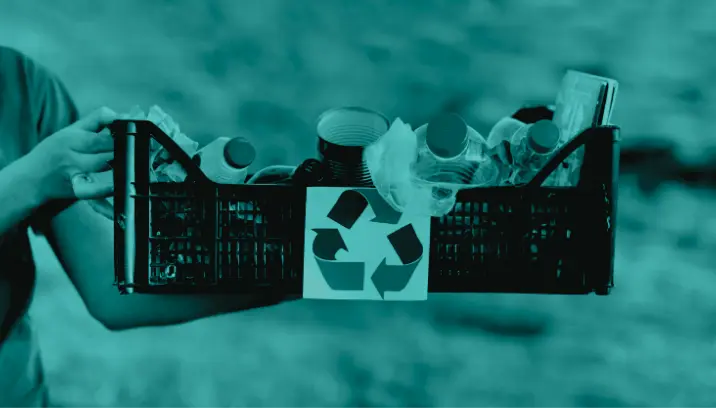
Recycling is an important step we can all take to protect our environment. However, you can’t just throw everything into the recycle bin; you need to take a moment to make sure that everything goes into its proper place. Otherwise, entire batches of raw material can be ruined and end up having to go into a landfill.
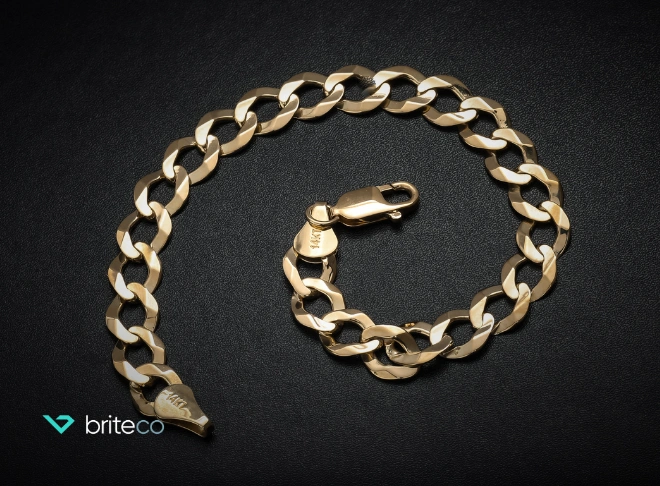
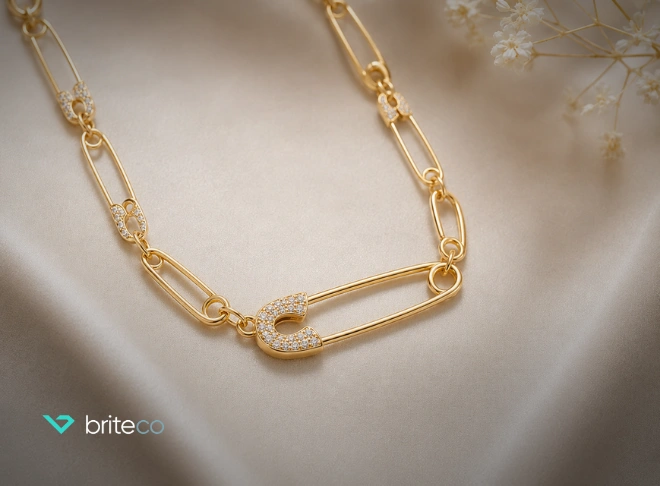
In the same way, protecting valuable things in your life works best when you do it intentionally. Jewelry is small, high-value, and easy to lose, steal, or accidentally damage and once something happens, you can’t “undo” it. Jewelry insurance is a simple way to protect that investment so one bad moment doesn’t turn into a major expense, and it’s often a better fit than relying on homeowners or renters insurance, which may have lower coverage limits for jewelry and higher deductibles.
Glass
Glass can be recycled infinitely with no loss in quality. Recycling glass saves energy and is much cheaper than making new glass.
- Most recyclers will let you mix all of your glass containers together in your recycle bin, but some will need it sorted by color.
- Do not recycle glass that’s broken; the sharp edges can hurt workers at the recycling facility.
- Remove non-glass elements, like plastic or metal bottle caps, before recycling glass.
Paper and Cardboard
Recycling paper saves trees, and it also takes a lot of material out of the waste stream. In fact, more than 20% of our trash is made of paper. You can recycle many paper products, including newspapers, magazines, junk mail, and boxes. You should also make an effort to reduce the amount of paper you buy and use in the first place.
- Even paper-based food containers can often be recycled, as long as they’re completely empty.
- Wrapping paper is often not recyclable, especially if it has a shiny coating on it.
- Always flatten boxes before you put them into the recycle bin.
- If you need to get rid of a book, it’s better to donate it than recycle it. But if it’s in bad condition, you can recycle it, too. Just be sure to remove the covers from hardback books before putting them in the recycle bin.
Plastic
Different recycling programs will have different rules about which plastics can be recycled. Look at the bottom of each item to find a number that will tell you what type of plastic it’s made from. Your local recycling program should provide a list of which ones they accept.
- Clean all plastic items before recycling them.
- Do not put plastic bags in your recycle bin. To recycle these, you’ll need to take them back to the grocery store.

Author