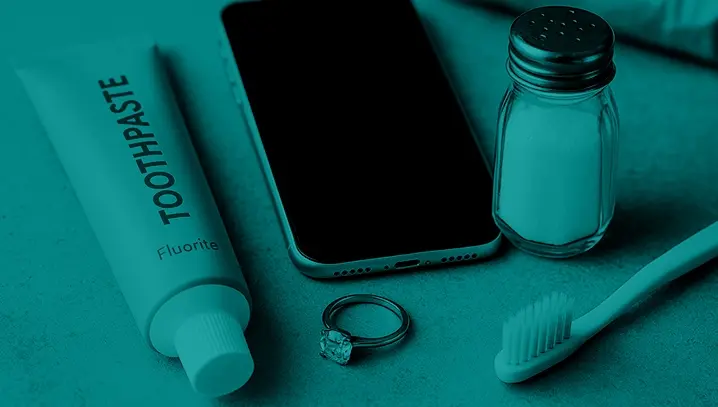
What do you picture when you think of minerals? Maybe you envision rocks in a museum or gemstones on display at a jewelry store. While these are examples of minerals, you don’t need to go anywhere specific to experience minerals. Minerals serve a wide range of uses in society and have become incorporated into nearly every facet of our lives. Minerals are in your toothpaste, your smartphone, and even the food you eat. These naturally occurring substances are all around us, often in places you’d never expect.
What Are Minerals?
Minerals are naturally occurring substances created from elements in the earth. There are more than 4,000 known minerals, each with its own specific chemical composition and crystal structure that dictates its properties, like hardness, color, and how it breaks.
Common minerals you may have heard of include:
- Quartz: Found in watches, glass, and counter tops
- Halite: Also known as rock salt
- Calcite: A mineral used to make cement
- Fluorite: Used to make toothpaste and in industrial processes
Minerals in Your Morning Routine
It doesn’t take long for minerals to become a part of your daily routine. Your day likely starts with minerals, including:
- Toothpaste: Most toothpaste contains fluoride, which helps strengthen your teeth and prevent cavities. Fluoride is made from fluorine, an element that’s extracted from the mineral fluorite.
- Bathroom Mirror and Sink: The glass in your mirror is made with quartz sand, and some sinks are made using ceramic materials that contain minerals like feldspar and kaolin.
- Water: Even tap water contains dissolved minerals like calcium, magnesium, and iron.
Minerals in the Kitchen
Whether you’re making breakfast, lunch, or dinner, you’re using minerals whenever you’re in the kitchen. Some examples include:
- Salt: Table salt is made from the mineral halite and is one of the few minerals we eat.
- Cookware: Nonstick pans often contain aluminum extracted from the mineral bauxite, and some pots are made of iron or copper, both of which are found in minerals deep in the earth.
- Food: Fruits and vegetables get important nutrients from the soil, including potassium, phosphorus, and zinc, which all come from minerals.
Minerals in Technology
Chances are good that you use a phone, computer, or tablet daily. But did you know these devices wouldn’t work without minerals? Many people think of minerals as little more than rocks in the ground, but they are an essential part of making the electronic technology in our world work. Examples include:
- Smartphones: One smartphone can contain more than 30 different minerals. The glass for the screen uses quartz and feldspar, tantalum and gold are essential for circuits, and batteries would not work without lithium. Even the bright colors on your screen rely on rare earth elements like neodymium and europium to shine.
- Computers: Like phones, computers use minerals for wiring, chips, and batteries. Silicon, made from the mineral quartz, is a crucial component in microchips.
Minerals in Transportation
Whether you ride a bike or drive a car, minerals are always helping you get from place to place.
- Cars: Cars feature minerals like the iron ore used to create the steel in its frame, the silica sand used in the windows, and the lead or lithium in the battery. Even the paint contains minerals like titanium dioxide to give it color and shine.
- Bicycles: Many bikes are made of aluminum, and their tires often include graphite or carbon black, both of which come from natural minerals.
Minerals in Jewelry and Decoration
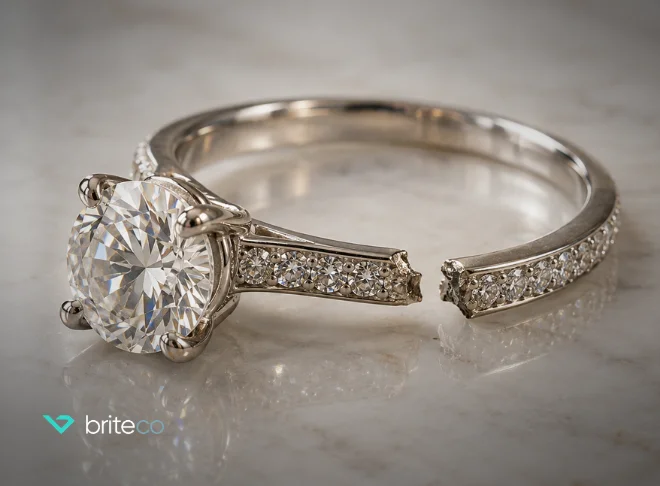
While minerals serve many uses in nearly all aspects of life, perhaps the most popular and well-known use of minerals is in jewelry. Gold, silver, and diamonds are all commonplace minerals in jewelry, and gemstones like emeralds (beryl), rubies (corundum), and amethysts (quartz) are cut and polished to create beautiful stones for rings, bracelets, necklaces, and earrings. Their color and sparkle come from their crystal structure and chemical makeup.
Fun Facts About Minerals
- Quartz is the second most common mineral on Earth.
- Talc, the softest mineral, is most famous for being used in baby powder.
- The U.S. penny used to be made mostly of copper, but now it’s mostly zinc with a copper coating.
- Graphite, used in pencils, is a form of carbon, which is the same element that diamonds are made from.
- Mica, a mineral that flakes easily, is used in some makeup to add shimmer.
Additional Resources
- Minerals in Everyday Life
- Minerals in Your House
- 40 Common Minerals and Their Uses
- Uses of Minerals in Everyday Life
- Online Jewelry Appraisals
- Minerals in Your Daily Life
- Rocks and Minerals in Our Daily Lives
- Minerals, Crystals, and Gems
- Find a Jewelry Appraiser
- Rocks and Minerals: Everyday Uses
- The Importance of Mining in Modern Society
- Gems and Minerals: Beauties and Building Blocks

Author