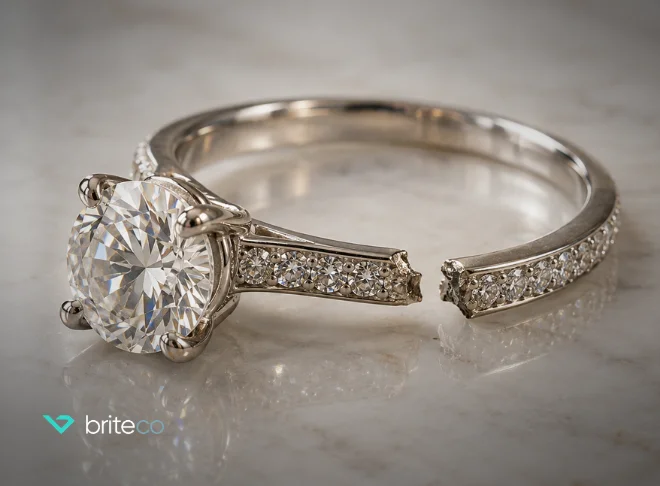
Purchasing an engagement ring can feel momentous, not just due to its cost but because of everything it represents. This ring embodies love and commitment, and you want it to be as special as your partner. So how do you find the right engagement ring to symbolize this love and commitment? Arming yourself with a bit of information can help you make the best engagement ring choice, starting with understanding the four C’s.
The Four C’s
When buying a diamond engagement ring, it helps to understand the four C’s: cut, color, clarity, and carat. These characteristics allow you to assess a diamond’s quality, rarity, and price. To ensure that your purchase of a diamond engagement ring is in line with your expectations and its properties are verified, make sure that the diamond is certified by a reputable organization like the Gemology Institute of America (GIA) or the American Gem Society (AGS).
Cut
The term “cut” doesn’t refer to the shape of the cut diamond (like princess or emerald) but rather how well a diamond has been cut so that its facets reflect light, affecting its brilliance. Round diamonds in particular are graded for cut quality. The higher the cut grade, the more mesmerizing the sparkle.
Color
Diamonds are valued for their lack of color: the clearer, the better. The GIA’s D-to-Z grading system assesses the degree of colorlessness, with D being colorless and Z having noticeable color. G is often the best balance between quality and price, appearing nearly as colorless as higher grades.
Clarity
Diamonds form under intense pressure in the ground, leading to imperfections called inclusions. Clarity assesses how flawless a diamond appears, ranging from Flawless to Included. Choose an “eye-clean” diamond that sparkles and looks flawless to the naked eye.
Carat
Carat refers to a diamond’s weight. Larger diamonds are rarer and tend to cost more. Choosing a diamond just below a full carat (like 0.98 vs. 1.0) can yield significant savings with little visible size difference.
Stone Shapes
A diamond’s shape refers to the face-up appearance of the stone. From classic round to elegant emerald and heart shapes, each offers a unique look and sparkle. Some shapes and styles, like emerald and baguette cuts, may highlight inclusions, while others, such as round or oval cuts, hide them well. Consider your partner’s unique style and preferences when choosing a stone shape. Sneak a peek at their jewelry collection to see which shapes they gravitate toward. You can also involve close family and friends, asking them to scope out potential stone shapes.
Diamond Simulants
If you’re set on a diamond look but are open to alternatives, you may want to consider a lab-grown diamond. These diamonds are chemically identical to mined ones and are often more affordable and environmentally friendly. If your fiancée-to-be has strong feelings about ethical sourcing or is a passionate environmentalist, lab-grown diamonds could be a wonderful way to incorporate these values into this important piece of meaningful jewelry. You could also opt for moissanite, a gemstone discovered from a meteorite, which is durable, sparkly, and budget-friendly. Moissanite is lab-created today and offers a similar look to diamonds. When considering alternatives to traditionally mined diamonds, be cautious about diamond simulants like cubic zirconia, which may fade or scratch over time and lack the durability of real diamonds.
Diamond Alternatives
Non-diamond stones are also gaining popularity in engagement rings, with sapphires, rubies, and other gemstones making stunning centerpieces for unique and personalized rings. Perhaps the most famous example is the sapphire engagement ring given to Princess Diana and now worn by Kate, Princess of Wales. If you opt for a non-diamond gemstone, choose one that’s rated 7 or higher on the Mohs scale for longevity.
Ring Settings
The ring setting frames the stones of an engagement ring and can enhance its appearance. Settings range from the classic prong to the glittering halo. Your partner’s lifestyle may guide you here: If they’re active, consider a more durable setting that protects the precious stone.
Ring Metals
There are several popular metals that one can choose to best complement the stone and setting of an engagement ring. Options include:
- Yellow Gold: Timeless and enduring
- Rose Gold: Tarnish-resistant and nickel-free
- White Gold: Plated for a bright look but requires occasional maintenance
- Platinum: Durable and hypoallergenic, though prone to minor scratches
Engagement Ring FAQs
How Do I Find the Right Ring Size?
You can discreetly bring one of your partner’s rings to a jeweler or ask their close friends for guidance. Remember that sizing down is easier than sizing up: If in doubt, it’s better to buy a ring that’s too big than one that’s too small.
How Do I Budget for an Engagement Ring?
There’s no hard-and-fast rule for how much you should spend. Enlist the help of a jeweler who respects your budget and is dedicated to providing clients with the best possible purchasing experience. Beautiful engagement rings don’t need to break your budget; affordable options include alternatives like moissanite or vintage rings and diamonds weighing less than a full carat.
Should I Buy Online or In-Store?
Online shopping may offer a wider selection and competitive pricing, but in-store shopping allows for a firsthand view and expert advice, so both have their advantages. Whichever you choose, buy from a trusted retailer and ensure GIA or AGS certification.
Should I Insure the Engagement Ring?
Definitely. Getting a jewelry appraisal and adding the ring to your homeowners, renters, or specialized jewelry insurance can protect your investment.
Additional Resources
- The Four C’s Explained
- Engagement Ring Anatomy
- Questions Your Jeweler Will Ask When You Buy an Engagement Ring
- Affordable Diamond Engagement Ring Alternatives
- Ways to Personalize Your Engagement Ring
- A Guide to Lab-Grown Diamonds
- Insurance Tips for the Newly Engaged
- Engagement Ring Insurance
- Is Moissanite the Next Big Engagement Ring Trend?
- Diamonds: A Symbol of Love and Conflict
- Understanding Your Engagement Ring Options

Author