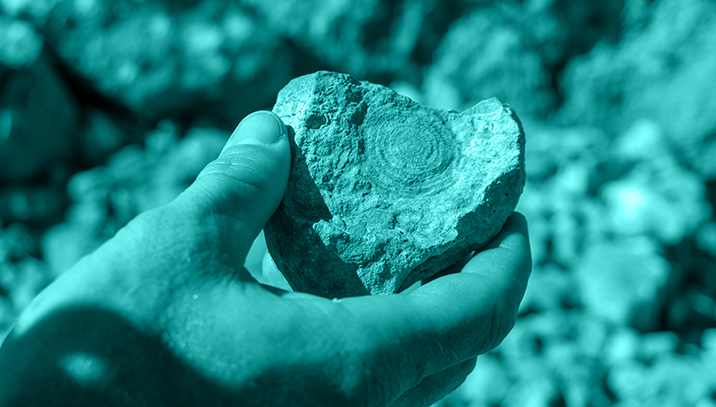
Have you ever picked up a rock and wondered about its story? Rocks, gems, and fossils aren’t just amazing to look at; they’re pieces of history that help us understand Earth’s incredible past. From sparkling gemstones to ancient fossils that tell tales of dinosaurs, these treasures are all around us, waiting to be discovered. If you want to understand the world beneath your feet, you may want to start by learning exactly how rocks, fossils, and gems formed, what they look like, where to find them, and why they’re important to our planet.
Rocks
Rocks are like Earth’s building blocks, made up of materials called minerals. They come in all shapes, sizes, and colors, and you can find them just about everywhere: on the ground, in mountains, and even at the beach. There are three main types of rocks: igneous, which form from cooled lava or magma; sedimentary, which are made when tiny bits of sand, shells, and other materials get pressed together over time; and metamorphic, which form when existing rocks are changed by heat and pressure deep inside the ground. Each rock has its own special story. Some rocks even have amazing patterns or crystals inside, making them fun to collect and study! Rocks are essential to our planet because they form Earth’s crust, creating the surface we live on. They also hold valuable resources like metals, minerals, and fossil fuels that we use in our daily lives.
- Everything You Need to Know About Rocks
- Rock Type Identification Flow Chart
- The Rock Cycle
- Rocks Crossword Puzzle
- Types of Rocks
- Features of Rocks
- Rock Hunting for Beginners
- Geology for Kids: Learn About Rocks
Fossils
Fossils are the remains or marks of plants and animals that lived a very long time ago. They show us what life was like before humans existed and help scientists learn about creatures and plants that no longer exist, like dinosaurs and woolly mammoths. For example, a dinosaur bone or a leaf print in a rock is a fossil. Fossils are important because they teach us how animals and plants have changed and grown over millions of years. This helps us understand the history of Earth and all of the amazing life it has supported. Fossils also help scientists find out how different environments, like oceans or forests, have changed over time.
- What Is a Fossil?
- Fun Facts About Fossils
- Fossil Finder Game
- Earth Science for Kids: Fossils
- Explaining Fossils for Kids
- Fossils Worksheet
- 25 Fascinating Facts About Fossils
- Dinosaur Bones/Fossils
- Different Kinds of Fossils
Paleontology
Paleontology is the study of ancient plants and animals, which people do by looking at fossils. Scientists who work as paleontologists dig up and study fossils to learn about dinosaurs, mammoths, and even tiny sea creatures that lived long ago. For example, by studying dinosaur bones, paleontologists can figure out how big they were and what they might have eaten. These scientists also examine fossilized footprints to learn how animals moved or whether they lived in big groups or mostly on their own. Paleontology is important because it helps us understand how our planet has changed. We can learn about animals that are the great-great-great-great grandparents of ones that are alive today, and we can discover which parts of the world were covered by water back then but aren’t now.
- What Is Paleontology?
- How Paleontologists Work: Lesson Plan
- Everything You Need to Know About Paleontology
- Paleontology Facts for Kids
- How Do Scientists Know What Dinosaurs Looked Like?
- Paleontology
- Funny Facts About Paleontology and Dinosaurs
- I Want to Be a Paleontologist! A Guide for Students
- How Do Scientists Determine the Age of Dinosaur Bones?
- Piecing Together Fossil Puzzles in a Mysterious Museum Cabinet
- Fossil Plants
- Dating Rocks and Fossils Using Geologic Methods
- Being a Paleontologist
- Jewelry Insurance
- Dinosaur Bone Puzzles
- History of Paleontology
- Engagement Ring Insurance
- Plant Fossils: A Peek Into Earth’s Past
- How Are Fossils Found and Excavated?

Author