What is the Dial on a Watch? Everything You Need to Know About Your Watch Dial
When you look at your watch, what captures your attention first? For some, it might be the sleek silhouette or the case’s intricate craftsmanship. Yet, for a vast majority, the beauty lies within the heart of the watch — the dial. But what is a watch dial?
What You Will Learn
What is the Dial on a Watch? Watch Dial Meaning
So, what is the dial of a watch?
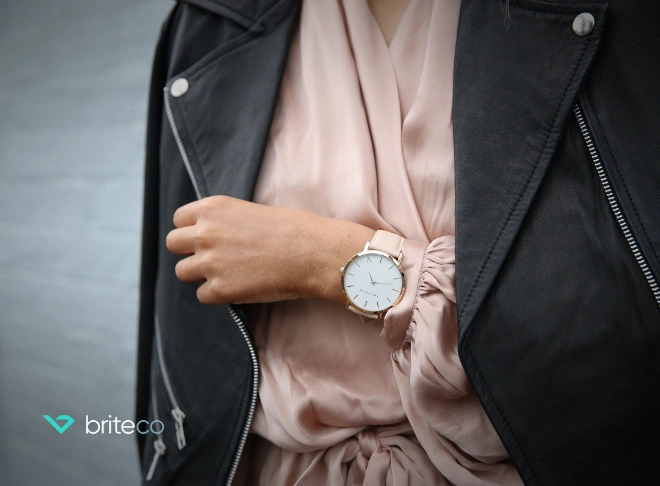
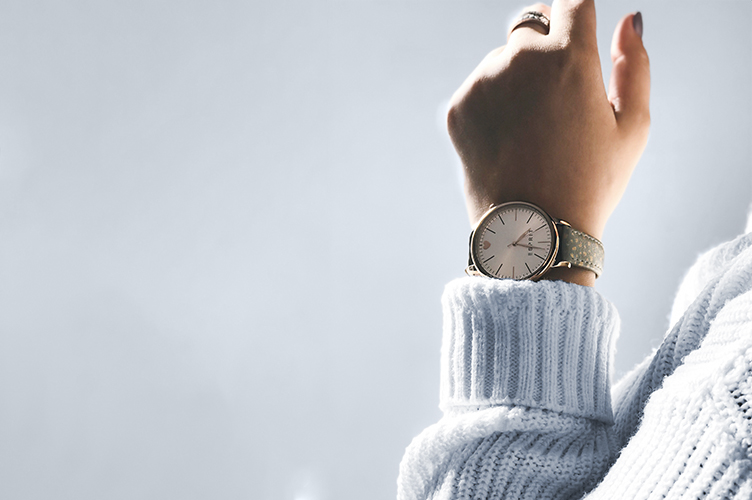
The dial is also called the watch’s face. It visually displays the time. Typically round, the face or dial features numerals or markers along its perimeter, with hands centrally positioned to indicate the current time.

Crafted from various materials, including brass, stainless steel, plastic, or even luxurious metals and gemstones, the dial’s surface may feature intricate engravings or patterns. There are many styles and designs of dials in a watch.
Dial on a Watch Components
Myriad components make up the dial.
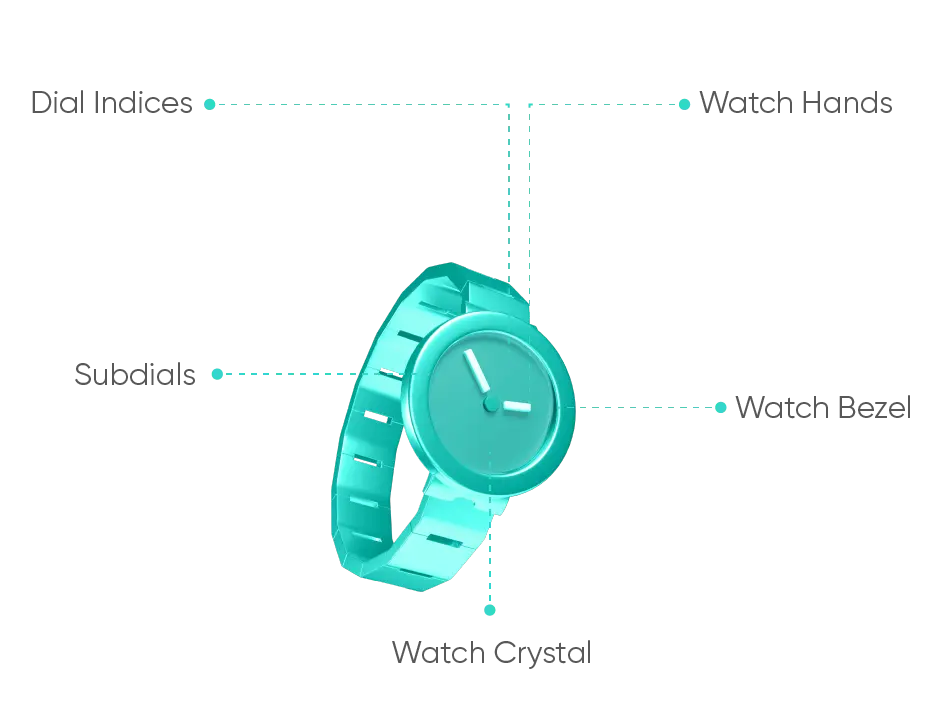
- Dial Indices: Watch dial indices are the markers positioned along the dial’s perimeter, denoting the hours. These markers appear as either Arabic or Roman numerals and are commonly found on both the upper and lower parts of the dial, serving as a guide for reading the time.
- Watch Bezel: The bezel is the metallic ring encircling the dial. It secures the watch crystal and can feature a multitude of styles.
- Watch Hands: Watch hands are the slender, moving parts that indicate the current time on the dial. Typically, most watches feature an hour hand, minute hand, and second hand.
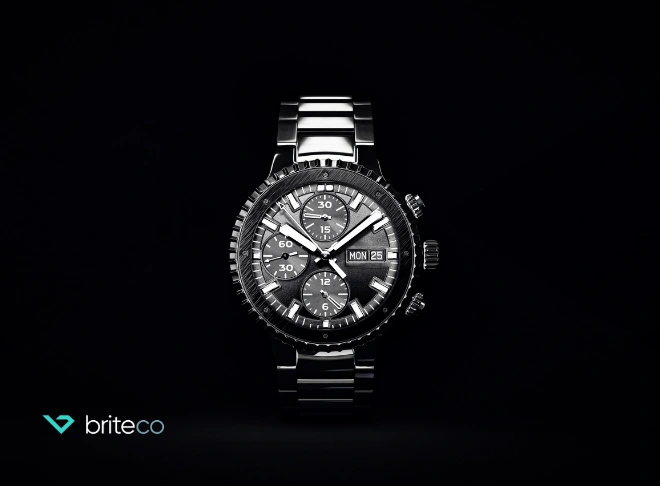
- Subdials: Subdials are miniature dials placed within the main dial, offering additional time measurements like elapsed time or seconds. They’re often situated at the dial’s 3, 6, and 9 o’clock positions.
- Watch Crystal: The watch crystal is the clear cover that shields the dial of the watch from external damage and wear. Depending on the watch model, the crystal may be plastic or glass. Crystals usually complement the watch case and bezel, with a slight curvature for aesthetic harmony.
Suggested Read: How Much are Crystals Worth? | BriteCo Jewelry Insurance
Different Types of Watch Dials
Now that you understand dial watch meaning, let’s look at some of the different types of watch dials.
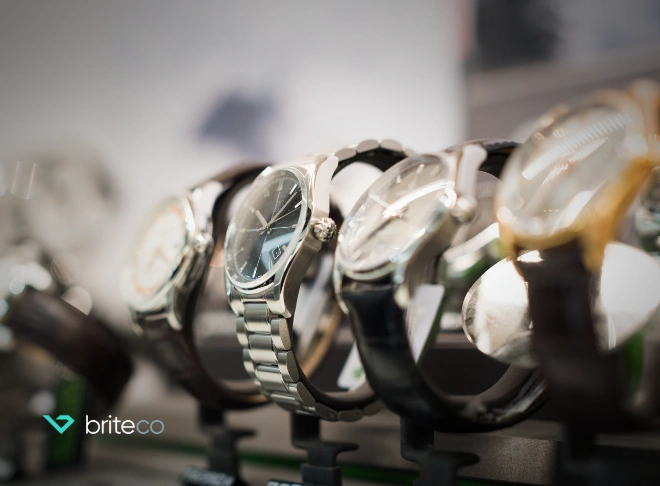
Watch dials come in many styles, ranging from minimalist to complex and catering to various preferences and uses, from formal events to outdoor adventures.

-
Classic Dial
The quintessential watch face, classic dials feature hour markers along their periphery, with central hands for a clean and uncluttered presentation.
-
Roman Dial
These dials replace standard markers with Roman numeral mark indicators, infusing the timepiece with sophistication.
-
Dial with Arabic Numerals
These dials feature Arabic numeral indicator markers, lending a distinctive charm to the watch and making the time easy to read at a glance.
-
Skeleton Dial
Skeleton dials expose the intricate workings of a watch in greater detail, often in luxury or high-end timepieces boasting automatic movements.
-
Chronograph Dial
Built with functionality in mind, the chronograph dial is a watch that displays a stopwatch, typically through additional sub-dials for tracking minutes, seconds, and hours. This makes chronographs a favorite among sports and activity watches.
-
Guilloché Dial
Characterized by intricate, engraved, wave-like pattern designs, guilloché dials add texture and depth to fine watches.
-
Tapisserie Dial
These dials showcase elaborate, often floral, patterns etched in a mesmerizing grid of tiny square patterns.
-
Enamel Dial
Crafted from powdered glass fused at high temperatures, enamel dials offer vibrant colors and a smooth finish.
-
California Dial
The California dial consists of a dial divided in half, showcasing Roman numerals from 10 to 2 o’clock and Arabic numerals from 8 to 4 o’clock.
-
Crosshair Dial
A variation on the basic dial, crosshair dials incorporate a precise crosshair or reticle for enhanced time-reading accuracy in diving and sports watches.
What to Consider When Choosing a Watch Dial
The watch face is one of the most noticeable features of a watch. Consider these factors when selecting the right watch dial for your needs.
1. Price
Cost can vary dramatically based on dial complexity, material, and brand. While luxury watches with elaborate mechanical movements and hand-crafted dials like enamel or guilloché may command higher prices, many affordable options still offer style and functionality.
2. Features
Beyond showing time, some watch dials offer features such as a moon phase indicator, power reserve displays, or skeleton dials that reveal the inner workings of a mechanical watch. Consider what features are important to you, balancing practicality with aesthetic appeal.
3. Watch Case Size and Dial Proportion
The size of the dial on the watch should complement the wearer’s wrist. Larger dials offer more space for additional features and easier readability, while smaller dials suit a more understated, classic look.
4. Materials
Dial and watch crystal material can affect both appearance and durability. Sapphire crystal is prized for its scratch resistance and clarity, while materials like enamel offer a unique depth and richness of color not found in other dials.
5. Colors
Watch dial color can range from classic black or white to more vibrant hues. Some dials may feature tiny square patterns or an engraved wave-like pattern, adding extra depth and interest.
6. Design Elements
From the elegance of Roman numerals to the modern simplicity of stick indicator markers, the style of the dial indices can dramatically alter the watch’s look. The California dial, which consists of both Roman numerals and half Arabic numerals, is a unique example of blending different styles.
FAQs
What’s the dial on a watch?
If you’re wondering, “What is a dial on a watch?” You’ve come to the right place. The dial, often referred to as the watch’s face, is the visible surface beneath the crystal that displays the time with hands, markers, or digits.
What is a watch dial with stick mark indicators?
A stick dial features simple, elongated marks or lines instead of numerals to represent the hours, offering a minimalist and modern aesthetic.
What is the dial in a watch?
On mechanical watches, the dial is the face or surface beneath the crystal that displays the time through the movement of hands and often includes markers, numerals, or other decorative elements.
Protect Your Investment
Whether you’re a seasoned collector or choosing your first timepiece, understanding a watch dial’s significance can enhance your appreciation for watches and help you make informed purchasing decisions that align with your aesthetic and functional preferences.
At BriteCo, we help you safeguard your investments, including luxury watches, with our comprehensive coverage against loss, theft, and damage. Learn more about the luxury watch insurance process before getting your quote.
Related Articles:
The Most Expensive Watch Brands in the World
The Most Expensive Watches Money Can Buy!
Do Rolex Watches Hold Their Value?
How to Measure Wrist Size?
How Should a Watch Fit?
How to Tell if a Rolex Is Real: Expert Tips to Spot Fakes!
Is Buying a Rolex a Good Investment?
The Best Investment Watches for Collectors
Do Omega Watches Hold Their Value?
Get a Quote:
The Easy Way to Insure Your Jewelry - and Save Money!
UP NEXT: Watch Crystal Replacement Cost: The Price of Scratches, Chips, and Cracks

Author