If you’ve ever wondered what’s a wedding reception and how the tradition started, there’s an interesting history behind the wedding day activity and how it’s continued to become a standard part of the big day. According to Brides.com, a wedding reception has existed for centuries and initially “started as a way for the bride’s parents to host a celebratory meal, typically at home, after the ceremony.” Though, it’s since been adapted for different cultural and religious purposes.
Traditionally, a wedding reception is a celebration after the wedding ceremony, where family and friends gather to honor the newly married couple. While the marriage ceremony itself focuses on the formal union, the reception is less structured and more like a party where joy, laughter, and creating memories with your loved ones are paramount.
In this guide, we’ll explore everything there is to know about wedding receptions, including traditions, activities, and tips for planning a memorable event.

What You Will Learn
What Is the Wedding Reception?
At its core, a wedding reception is a party or social gathering after the wedding ceremony. It’s when wedding guests mingle, celebrate, and share in the happiness of the newly married couple.
It also acts as the bridge between the formal ceremony where vows are exchanged and cultural or religious customs are adhered to, and the relaxed, celebratory vibe of the remainder of the evening. Whether it’s an extravagant grand entrance in a ballroom, an intimate affair in a backyard, or a themed beach party, wedding receptions typically reflect the unique style and personality of the couple.
Beyond the fun and festivities, a wedding reception is also a meaningful time to express gratitude. It’s an opportunity for the couple to thank their wedding guests for their love and support, often through heartfelt speeches, thoughtful favors, a group meal, and shared moments on the dance floor.
The Difference Between a Wedding Ceremony and Reception
While both the wedding ceremony and the reception are essential parts of a traditional wedding day, they serve different purposes. If you’re new to wedding planning, you might wonder why these two events are distinct yet equally important.
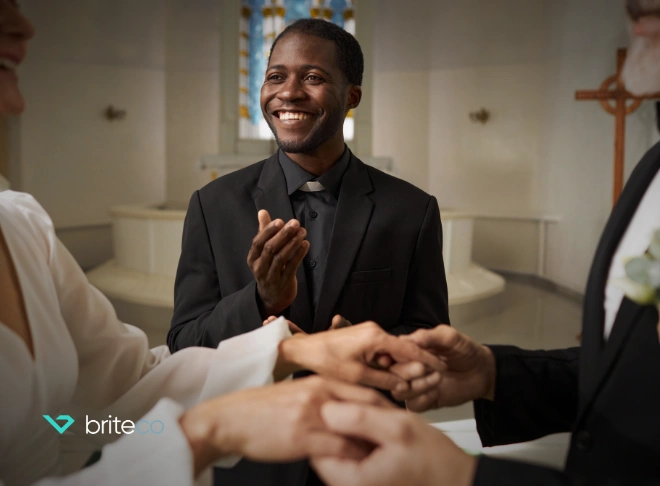
- The wedding ceremony is the formal and often emotional part of the day where the couple exchanges vows, rings, and promises. This part is usually led by a wedding officiant and is the legal and symbolic part of saying “I do.”
- The wedding reception is the lively celebration that follows the formal event, where everyone relaxes, shares a meal, and dances the night away. Other couples may opt for different venues for both the ceremony and the reception, offering a change of scenery for guests.
At the end of the day, whether the wedding reception held is on a beach or inside a rustic barn, the goal is the same: to celebrate love, family, and the exciting beginning of a shared future.
Key Elements of a Memorable Reception
Every wedding reception is unique, but a few timeless traditions and key elements tie them all together. Whether you’re planning your own wedding celebration or attending as a guest, knowing these key components can help you understand the flow of the event.
- Grand Entrance: The newly married couple and their wedding party make a grand entrance to kick off the celebration.
- Cocktail Hour: Before the main festivities begin, guests often enjoy a relaxed gathering with drinks and appetizers. Most cocktail hour activities begin before the meal.
- First Dance: After everyone has shared a meal, the betrothed couple shares their first dance as a symbolic start to their life together.
Each of these moments adds a layer of excitement, sentimentality, or tradition to the event, ensuring that the evening is one to remember.
Types of Wedding Receptions
When it comes to wedding receptions, there’s no one-size-fits-all approach. The style, vibe, and format depend heavily on the couple’s preferences, the guest list, and sometimes, cultural or religious customs. Here are just some of the options you might consider:
- Formal Event: Think black-tie attire, a multi-course dinner, and a live orchestra. Formal ceremonies and receptions often take place in grand venues like hotel ballrooms or museum rotundas.
- Intimate Ceremony and Reception: A smaller guest list allows for more personal connections and cozy atmospheres, often in meaningful locations like someone’s home.
- Cultural or Religious Ceremonies: Certain cultural or religious customs bring unique traditions to both the wedding ceremony and the wedding reception, making them deeply meaningful.
Whether you want an elegant ballroom affair or a laidback garden party, a wedding reception is completely customizable.
How to Plan the Perfect Wedding Reception
Planning the perfect wedding reception isn’t just about choosing the best venue and hiring an entertaining DJ — it’s about creating an experience. Every decision, from the guest list to the wedding cake, plays a role in crafting a day that feels uniquely yours.
Start by deciding on your overall vision. Are you dreaming of a formal event with crystal chandeliers and plated dinners, or is your vibe more relaxed, with food trucks and string lights? Once you have a vision, start building out the details. Here’s a good roadmap:

- Pick a venue: You’ll want to do this as early as possible since venue calendars fill up quickly. It’s also wise to do site tours to know the lay of the land.
- Decide on a theme: Whether it’s classic, bohemian, or modern, your theme sets the tone and will help you pick out all the decor elements and favors, too.
- Choose your vendors: From florists to caterers, build a list of trusted professionals you want to work with and determine the best way to do check-ins throughout the process.
- Plan out the key traditions: Determine how and when to stage the first dance, cake cutting, and speeches.
What’s a Wedding Reception FAQs
What Is a Reception at a Wedding?
A wedding reception is a celebratory event after the wedding ceremony, featuring food, drinks, and entertainment. This event allows guests to socialize, enjoy unique traditions, and create lasting memories with the newly married couple.
What Is Wedding Reception Length?
Most wedding receptions last four to six hours, but this can vary based on the schedule and venue policies.
What Happens During a Wedding Reception?
During this part of the wedding day, guests celebrate the couple’s union, typically with a meal, speeches, and entertainment. Other activities may include a grand entrance, first dance, cake cutting, and dancing.
What’s a Wedding Reception vs. a Wedding Ceremony?
While the wedding ceremony is the formal exchange of vows, the wedding reception is the party that follows. The reception is where guests celebrate with food, music, and dancing. Both parts play essential roles, but the reception is focused on celebrating the newlyweds’ union.
Protect Your Wedding Reception with Wedding Insurance
If you’re planning your own wedding reception, consider wedding insurance. It’s a practical investment that can provide peace of mind and protect your special day from unexpected challenges such as vendor no-shows, illness, or injuries. After all, a little goes a long way in ensuring everything runs smoothly.
BriteCo’s wedding insurance policies protect against unforeseen circumstances and help safeguard your event. Learn more and get your personalized insurance quote now.
Related Articles:
Average Wedding Venue Cost
How Much Does a Wedding Planner Cost?
What Is A Wedding Shower?
How to Plan a Wedding?
How to Get Wedding Insurance
Is a Wedding Planner Worth It?
How Much Do Wedding Photographers Cost?
Tips to Have a Safe Outdoor Wedding & Avoid Risks
Affordable Wedding Insurance: More Coverage, Less Cost!

UP NEXT: What to Write in a Wedding Card: Templates & Examples

Author