- Key Findings
- Was this holiday season busier than last year? Industry Overview
- How much of a change did you see with in-store buyers this holiday season compared to last year?
- In general, what percentage of shoppers were new business for your store this holiday season?
- What drove the most new business this holiday season?
- What was the average sale amount this holiday season?
- Key Drivers of Sales Performance
This Research Report Presents
Key findings from a BriteCo survey of 77 independent retail jewelers. It highlights the trends and challenges experienced during the 2024 holiday shopping season, revealing shifts in consumer behavior, sales performance, and key business drivers.
Key Findings

Mixed Holiday Sales Performance
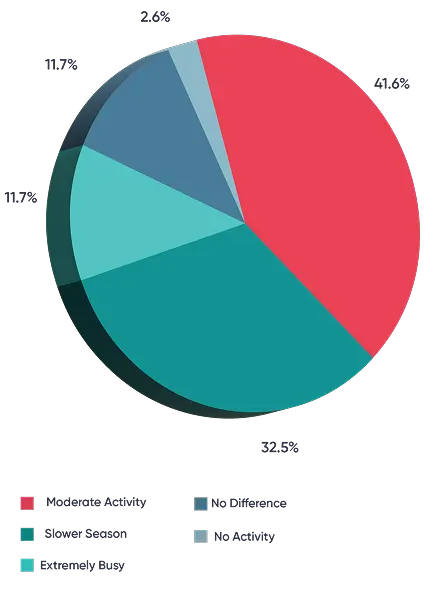
- 41.6% of respondents reported a somewhat busy season, while 32.5% experienced a decline in foot traffic.
- Some stores saw strong activity, but others faced lower-than-expected sales, indicating location- or strategy-based variances.

In-Store Shopping Varied, While Online Sales Showed Modest Growth
- 46.8% of stores reported slight-to-moderate increases in in-store traffic.
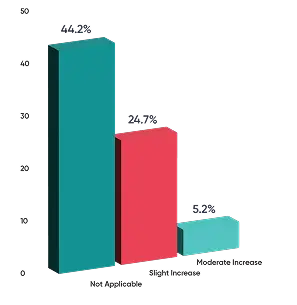
- Online sales played a limited role, with 44.2% of respondents stating they were not relevant to their operations.
- Among those who tracked online sales, only 5.2% reported moderate growth.

Repeat Customers Drove Holiday Revenue
- 58.4% of retailers reported that new customers made up only 0-24% of their total holiday shoppers.
- Repeat business was the main source of sales, emphasizing the importance of customer loyalty and retention strategies.

Word-of-Mouth and Social Media Were the Top Business Drivers
- 38.1% of retailers credited word-of-mouth as the leading source of new customers.
- Social media (21.9%) outperformed traditional advertising (15.5%) in attracting shoppers, highlighting the increasing importance of digital engagement.

Jewelry Trends Shifted Toward Lab-Grown Diamonds and Mid-Range Price Points
- Lab-grown diamonds outsold natural diamonds, with 54.5% of retailers reporting higher sales in this category.
- Earrings (29.6%) and necklaces (19.9%) were the most popular jewelry items.
- The majority of transactions (58.5%) fell within the $500-$2,499 price range, reinforcing the demand for mid-range fine jewelry.
Was This Holiday Season Busier Than Last Year?
Majority Experienced Moderate Activity:
The most common response (41.6%) was that the holiday season was somewhat busy, indicating while there was an increase in activity, it may not have met the high expectations often associated with holiday shopping.
Significant Reports of a Slower Season:
With 32.5% stating the season was less busy, this suggests that nearly a third of retail associates saw a decline in holiday traffic compared to previous years or expectations.
Varied Expectations:
While 11.7% found it extremely busy, an equal percentage 11.7% saw no difference in activity, showing that the holiday rush was not a universal experience. This could indicate difference based on store location, or store-specific factors.
Minimal Reports of No Activity:
Only 2.6% said it was not busy at all, meaning that for the vast majority of retail stores, there was at least some level of increased demand.
The data shows a wide range of responses, with some associates experiencing a busy season while others did not. This could infer that different locations, shifts, or stores have different demands.
How Much of a Change Did You See With In-Store Buyers This Holiday Season Compared to Last Year?

Moderate and Slight Increases Dominate:
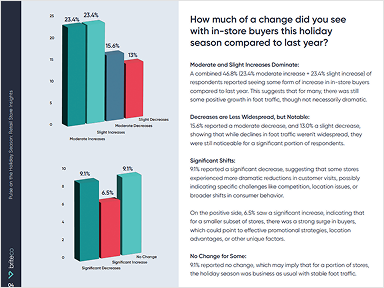
A combined 46.8% (23.4% moderate increase + 23.4% slight increase) of respondents reported seeing some form of increase in in-store buyers compared to last year. This suggests that for many, there was still some positive growth in foot traffic, though not necessarily dramatic.
Decreases are Less Widespread, but Notable:
15.6% reported a moderate decrease, and 13.0% a slight decrease, showing that while declines in foot traffic weren’t widespread, they were still noticeable for a significant portion of respondents.
Significant Shifts:
9.1% reported a significant decrease, suggesting that some stores experienced more dramatic reductions in customer visits, possibly indicating specific challenges like competition, location issues, or broader shifts in consumer behavior.
On the positive side, 6.5% saw a significant increase, indicating that for a smaller subset of stores, there was a strong surge in buyers, which could point to effective promotional strategies, location advantages, or other unique factors.
No Change for Some:
9.1% reported no change, which may imply that for a portion of stores, the holiday season was business as usual with stable foot traffic.
Key Takeaways

Stores reporting increases should consider what contributed to that success and amplify those strategies for future seasons.

Stores seeing declines should dive deeper into root causes, such as external factors like competition, location, or product assortment.

For stores with no change, it may be time to innovate and try new promotional tactics or marketing campaigns.
How Much of a Change Did You See with Online Buyers This Holiday Season Compared to Last Year?
Limited Direct Impact for Many:
A significant 44.2% of respondents indicated that online sales were not applicable to their role, suggesting that either their stores do not track online orders closely or their positions are primarily focused on in-store operations.
This highlights the continued distinction between brick-and-mortar retail and e-commerce, with not all retail stores experiencing firsthand shifts in digital shopping trends.
Modest Growth in Online Shopping:
Among those who did observe online buyer trends, a 24.7% slight increase and 5.2% moderate increase suggest that while there was growth in online shopping, it was not overwhelming.
This may indicate that consumers are balancing both in-store and online shopping, rather than making a full shift toward e-commerce.
Stability and Declines:
Meanwhile, 16.9% reported no change, reinforcing the idea that for some retailers, online shopping remained steady rather than surging. A smaller portion of respondents saw declines:
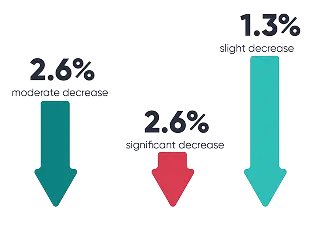
These responses suggest that while online shopping continues to play a role, its growth is not necessarily universal. Some businesses may have seen a dip due to increased in-store traffic, changing promotional strategies, or shifting consumer preferences.

Key Takeaways
These responses suggest that while online shopping continues to play a role, its growth is not necessarily universal. Some businesses may have seen a dip due to increased in-store traffic, changing promotional strategies, or shifting consumer preferences.
In General, What Percentage Of Shoppers Were New Business For Your Store This Holiday Season?
Returning Customers Drove Holiday Sales:
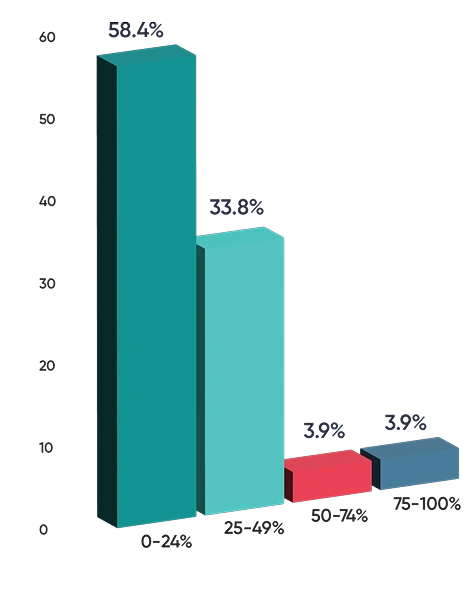
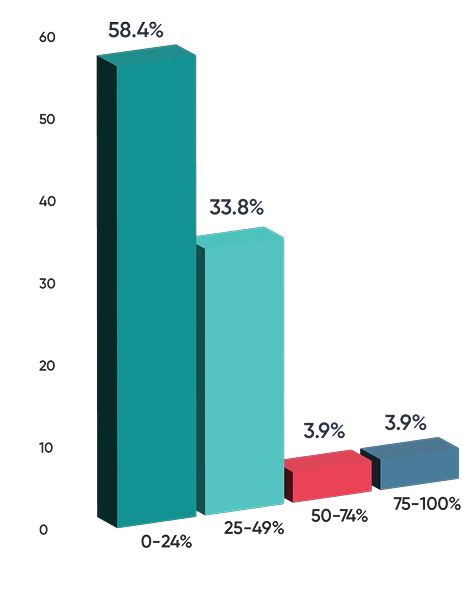
A significant 58.4% of respondents reported that only 0-24% of their shoppers were new customers. This suggest that for many stores, the holiday season largely attracted repeat shoppers — those already familiar with the brand, promotions, or product selections. This could be a result of strong customer loyalty, targeted marketing toward existing customers, or shoppers sticking to stores they trust.
Moderate New Business Growth in Some Stores:
Another 33.8% of respondents indicated that 25-49% of their holiday shoppers were new customers. While still relying on a solid base of returning shoppers, these stores experienced a notable increase in fresh foot traffic, possibly due to holiday promotions, word-of-mouth referrals, or seasonal gifting trends that brought in new buyers.
Smaller Percentage of High New-Customer Volume:
Only 3.9% of respondents saw 50-74% of their shoppers as new business, and another 3.9% reported an even larger influx of 75-100% new customers. These cases may represent stores in high-tourism areas, businesses that ran aggressive holiday promotions, or retailers that capitalized on shifting consumer preferences.
Key Takeaways
With the majority of shoppers being repeat customers, businesses should continue investing in loyalty programs, personalized marketing, and exceptional service to maintain their returning customer base.
Stores that saw lower percentages of new customers may want to explore strategies like targeted outreach, first-time buyer discounts, or partnerships to attract new shoppers next holiday season.
What Drove the Most New Business This Holiday Season?
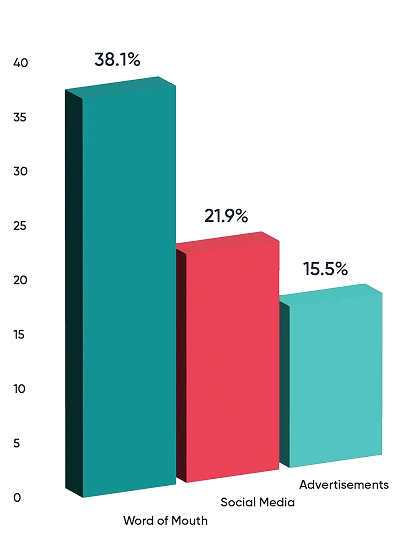
Word of Mouth (38.1%) – The Power of Personal Recommendations:
The most influential driver of new business was word of mouth, with nearly 40% of respondents citing it as the top factor. This suggests that customer experiences, both in-store and online, had a significant impact on brand perception and shopper decisions. Positive recommendations from friends, family, and colleagues likely helped retailers build trust and attract new customers without the need for heavy marketing investments. This highlights the importance of excellent customer experience and a memorable shopping experience that encourages people to share and recommend stores.
Social Media (21.9%) – A Digital Word-of-Mouth Effect:
Coming in second, social media accounted for nearly one in four new customer acquisitions (21.9%). Platforms like Instagram, Facebook, and TikTok likely played a major role in showcasing holiday products, promotions, and customer reviews. With the increasing influence of user-generated content, influencer marketing, and targeted ads, social media continues to be a powerful tool for reaching new audiences and driving engagement. Stores that actively managed their social presence likely saw the most success in attracting new customers.
Advertisements (15.5%) – Traditional Marketing Still Holds Weight:
While digital strategies are dominant, advertising (15.5%) still had a strong impact on acquiring new customers. This category could include online ads, print media, and other paid promotional efforts. Well-placed advertisements, whether through search engines, sponsored posts, or local media, likely helped stores reach shoppers who were searching for specific products or holiday deals.

Key Takeaways
- Since word of mouth is the top driver of new business, retailers should focus on delivering outstanding service and encouraging customer referrals.
- Investing in organic and paid social media strategies can help retailers connect with new shoppers and turn online interactions into store visits.
- While social media and word of mouth lead the way, traditional advertising still plays a role in reaching a broader audience. A well-rounded marketing mix can help maximize new customer acquisition.
What Jewelry Items Were Most Popular For Your Business This Holiday Season?
Earrings (29.6%) – The Top Choice for Holiday Shoppers:
Earrings emerged as the most popular jewelry item this season, with nearly 30% of respondents selecting them as their best-selling category. This trend aligns with the versatility of earrings, whether as a statement piece or an everyday essential. Their wide appeal makes them a go-to gift option, suitable for all ages and styles.

Necklaces (19.9%) – A Timeless Gift Option:
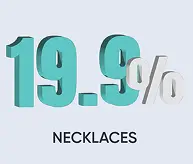
Necklaces ranked second, accounting for nearly 20% of sales. This category likely includes personalized pieces, pendants, and classic chains, which make for sentimental and stylish gifts. Necklaces are often chosen for their symbolic value, whether showcasing initials, birthstones, or meaningful charms.
Bracelets (15.6%) – A Stylish Versatile Accessory:
Bracelets took the third spot, representing 15.6% of sales. Whether stackable bangles, charm bracelets, or elegant cuffs, bracelets offer a fashionable way for shoppers to express personality and style. Their popularity suggests a continued demand for mix-and-match jewelry that complements various outfits and occasions.

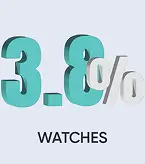
Watches (3.8%) – Maybe Next Time:
Watches had a low share of sales, possibly indicating a shift toward smartwatches or a focus on more traditional jewelry pieces during the 2024 holiday season.
Did You Sell More Lab-Grown Diamonds Or Natural Diamonds This Holiday Season?
Lab-grown diamonds emerged as the top choice for shoppers, with 54.5% of respondents reporting higher sales in this category compared to natural diamonds. This marks a significant shift in consumer preferences, as shoppers increasingly prioritize affordability, sustainability, and ethical sourcing in their jewelry purchases.

Lab-Grown Diamonds (54.5%) – The Leading Choice:
More than half of respondents saw higher sales of lab-grown diamonds, reflecting their growing appeal among modern buyers. Technological advancements make lab-created diamonds visually and chemically identical to natural ones, so shoppers are drawn to their lower price points and ethical advantages. Many consumers see lab-grown diamonds as a way to maximize quality and size while staying within budget.

Natural Diamonds (29.9%) – Holding Their Ground:
While natural diamonds still accounted for nearly 30% of sales, their premium pricing and traditional appeal continue to attract a loyal customer base. Buyers seeking rarity, long-term value, or sentimental significance still gravitate toward mined diamonds, particularly for milestone purchases like engagement rings and heirloom pieces.

Equal Sales of Both (13.0%) – A Balanced Demand:
Some respondents reported selling equal amounts of both lab-grown and natural diamonds, suggesting that shoppers are making more deliberate choices based on personal values and budget considerations. This balance indicates that while lab-grown diamonds are gaining popularity, natural diamonds still have a strong foothold in the market.
What Was the Average Sale Amount This Holiday Season?
The Sweet Spot: $500-$2,499:
The majority of purchases fell within this range, with 29.9% of retailers reporting average sales between$500-$999, and 28.6% between $1,000-$2,499. These numbers suggest strong demand for mid-range fine jewelry, such as earrings, necklaces, and bracelets, which were also the top sellers during the holiday season. These findings align with the trend of lab-grown diamonds outselling natural diamonds, as they offer customers a way to maximize value at these price points.
High-End Luxury Buyers: $2,500+:
19.5% of retailers reported an average sale of $2,500-$4,999, and 6.5% saw transactions exceeding $5,000. These higher-value purchases likely include engagement rings, custom pieces, or high-end diamond jewelry, catering to luxury buyers or those making milestone purchases.
Lower-Tier Purchases: $0-$499:
A smaller portion of sales fall under $500, suggesting that fine jewelry shoppers were generally willing to spend more during the holidays.


Key Takeaways
- The $500-$2,499 price range should be a focus for future holiday promotions, as it represents the strongest demand.
- Luxury shoppers remain an important segment, particularly for engagement rings and custom pieces, so stores should continue offering premium options.
- Smaller purchases are still relevant, especially for budget-conscious buyers, meaning stores should maintain a range of price points to capture all audiences.
How Often Did Customers Ask About Jewelry or Watch Insurance This Holiday Season?
Although jewelry and watch insurance was a topic of interest for many shoppers, it was not a top concern for all. The majority of respondents (50.6%) reported that customers sometimes inquired about insurance, indicating that while protection was on their minds, it wasn’t an automatic part of the purchase conversation.
Moderate Interest in Insurance:
With 50.6% of customers asking about jewelry insurance sometimes and 10.4% asking almost always, a notable portion of buyers considered protecting their jewelry investments, especially for higher-value purchases.
Limited Awareness or Concern:
On the other hand, 28.6% of customers rarely asked about jewelry insurance, and 10.4% never did, suggesting that many shoppers either weren’t aware of insurance options or didn’t view it as necessary

Looking Back on the Holiday Season, What Was the Biggest Highlight Or The Biggest Hurdle for Your Business?

Customer Experience (Most Mentioned – 11 times)
On the other hand, 28.6% of customers rarely asked about jewelry insurance, and 10.4% never did, suggesting that many shoppers either weren’t aware of insurance options or didn’t view it as necessary.

Sales Performance (9 mentions)
Some associates noted sales increases, while others struggled with revenue. Holiday shopping trends varied, possibly depending on store type or location.

Customer Traffic (8 mentions)
Many comments referenced store traffic, either being high and overwhelming or lower than expected. Some stores faced challenges in attracting customers.

Staffing Issues (4 mentions)
Reports of being understaffed, overworked employees, and hiring challenges. Workforce shortages might have contributed to service-related issues.

Inventory Management (2 mentions)
A few associates struggled with restocking and running out of key products. Inventory planning played a role in sales performance.

Workload Pressure (0 mentions)
Interestingly, there were no direct mentions of stress, exhaustion, or long hours. However, staffing and customer interactions could have indirectly influenced this.
Key Takeaways
Customer interactions shaped the season and good service likely boosted sales, while poor experiences led to frustration. Sales were inconsistent and some stores saw growth, while others struggled, possibly due to inventory, staffing, or marketing. Foot traffic wasn’t uniform and some stores saw fewer customers, which could relate to economic conditions or competition. Operational challenges impacted performance, and inventory mismanagement and staffing issues hurt effciency.
Key Drivers of Sales Performance:
In-Store Buyer Change (+0.62 correlation)
The more foot traffic increased, the better sales performance, respondents reported. This suggests that physical store experiences played a major role in holiday sales.
Online Buyer Change (+0.30 correlation)
While online sales also contributed, the correlation is weaker compared to in-store traffic. This indicates that online sales were beneficial but not as influential as physical store visits.
Average Sale Amount (+0.05 correlation)
Although a weaker relationship, higher average sale amounts are associated with better sales performance. This suggests that stores that sold high-ticket items performed better overall.
Jewelry Insurance Inquiries (+0.06 correlation)
Although a weaker relationship, businesses with more insurance inquiries tended to have better sales performance. This could indicate that higher-value purchases are driving both sales and insurance discussions.
Sales Performance vs. Traffic Changes:
- There is a strong correlation (0.62) between overall sales performance and the increase of in-store buyers.
- Online buyer changes also correlate positively (0.30) with sales performance, though weaker than in-store traffic.
- Stores that reported a busier holiday season generally saw a significant increase with in-store buyers, while online sales had a moderate impact.
In-Store/Online Sales vs. Average Sale Amount:
- Online traffic increase correlates strongly (0.48) with higher average sales compared to in-store traffic (0.08).
- This suggests that online buyers may be spending more per transaction.
- Encouraging online sales through promotions or digital marketing may be a strategy for increasing higher-value purchases
Jewelry Insurance Interest vs. Purchase Amount:
- There is a moderate correlation (0.28) between higher purchase amounts and customer inquiries about jewelry insurance.
- Online buyers were also more likely to inquire about insurance (0.27 correlation).
- High-ticket jewelry buyers are more likely to ask about insurance, presenting an opportunity for upselling insurance policies.
About BriteCo
BriteCo is a leading tech-driven provider of jewelry and watch insurance. Created by a third-generation retail jeweler, BriteCo offers best-in-class jewelry and watch insurance, available in all 50 states. Its top-rated insurance is accessible to customers wherever they prefer, directly online, through an independent insurance agent or broker, or at luxury jewelry retail partners around the country. BriteCo policies have zero deductibles, are backed by an AM Best, an A+-rated insurer, and provide worldwide coverage. For more information, visit brite.co
© 2025 BriteCo, Inc.