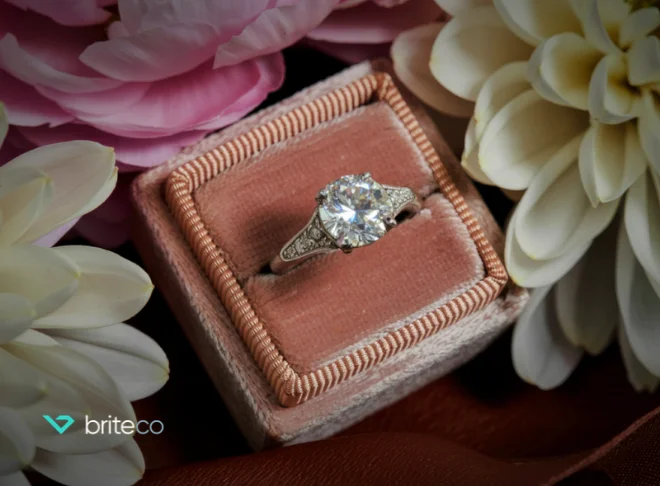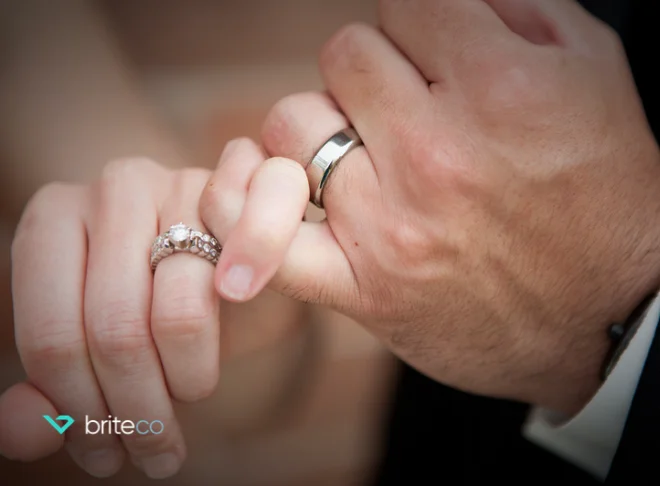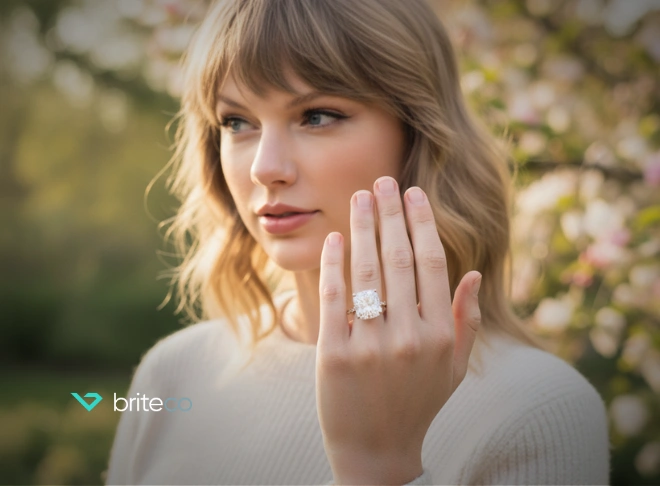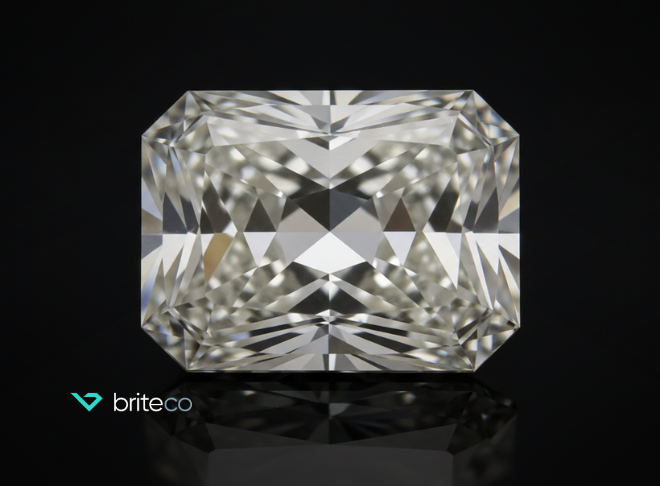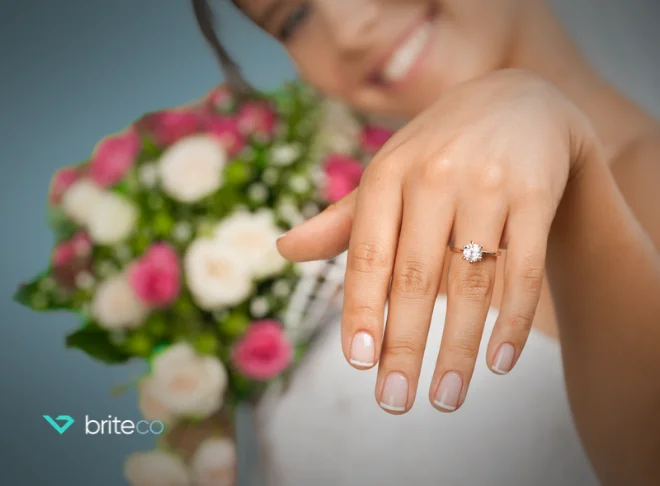
Engagement ring and other jewelry insurance provides financial protection in the event of a covered loss, theft, accidental damage, or mysterious disappearance, using the jewelry’s documented value to help repair or replace it.
How does engagement ring insurance work?
- You document the ring’s value.
- Then, get some engagement ring insurance quotes and choose a policy that fits your needs.
- Pay the premium and activate the policy.
- Keep your appraisal, receipt, and photos of the piece stored securely.
- File a claim if the ring is lost, stolen, or damaged.
Ultimately, engagement ring insurance safeguards your financial investment and provides peace of mind. “If you’re looking at millennials or Gen Z’s getting married, the engagement ring might be the largest purchase in their life,” says BriteCo founder and CEO Dustin Lemick. “So it makes a lot of sense to have that protected because it’s meaningful and sentimental.”
Let’s take a closer look at everything you need to know, including what policies typically cover, how the claims process works, and types of available coverage.
What You Will Learn
- How Engagement Ring Insurance Works
- What Does Engagement Ring Insurance Cover?
- Types of Engagement Ring Insurance Policies
- Why Appraisal Value Matters
- How Much Does Engagement Ring Insurance Cost?
- How an Engagement Ring Insurance Claim Works
- Engagement Ring Warranty Vs. Engagement Ring Insurance
- When Should You Purchase Engagement Ring Insurance?
- Homeowners or Renters Insurance Vs. Dedicated Ring Insurance
- How to Choose an Engagement Ring Insurance Company
- How to Protect the Ring Before and After You Insure It
- Engagement Ring Insurance FAQs
- Conclusion: Engagement Ring Insurance Works Best When It Is Simple, Specific, and Active
How Engagement Ring Insurance Works
Securing an engagement ring insurance policy and then using that coverage is actually quite simple:
- The ring is appraised or documented.
- The insurer uses value, location, coverage choice, and risk details to price your policy.
- The policy activates after you approve it and pay the premium.
- If a covered event happens (such as if you lose the engagement ring), you file a claim.
- The insurer reviews your claim details and documentation.
- The insurer then pays for a repair or replacement (depending upon policy terms and your insurance coverage options).
Appraisal → Quote → Policy → Covered Event → Claim → Repair or Replacement
What Does Engagement Ring Insurance Cover?
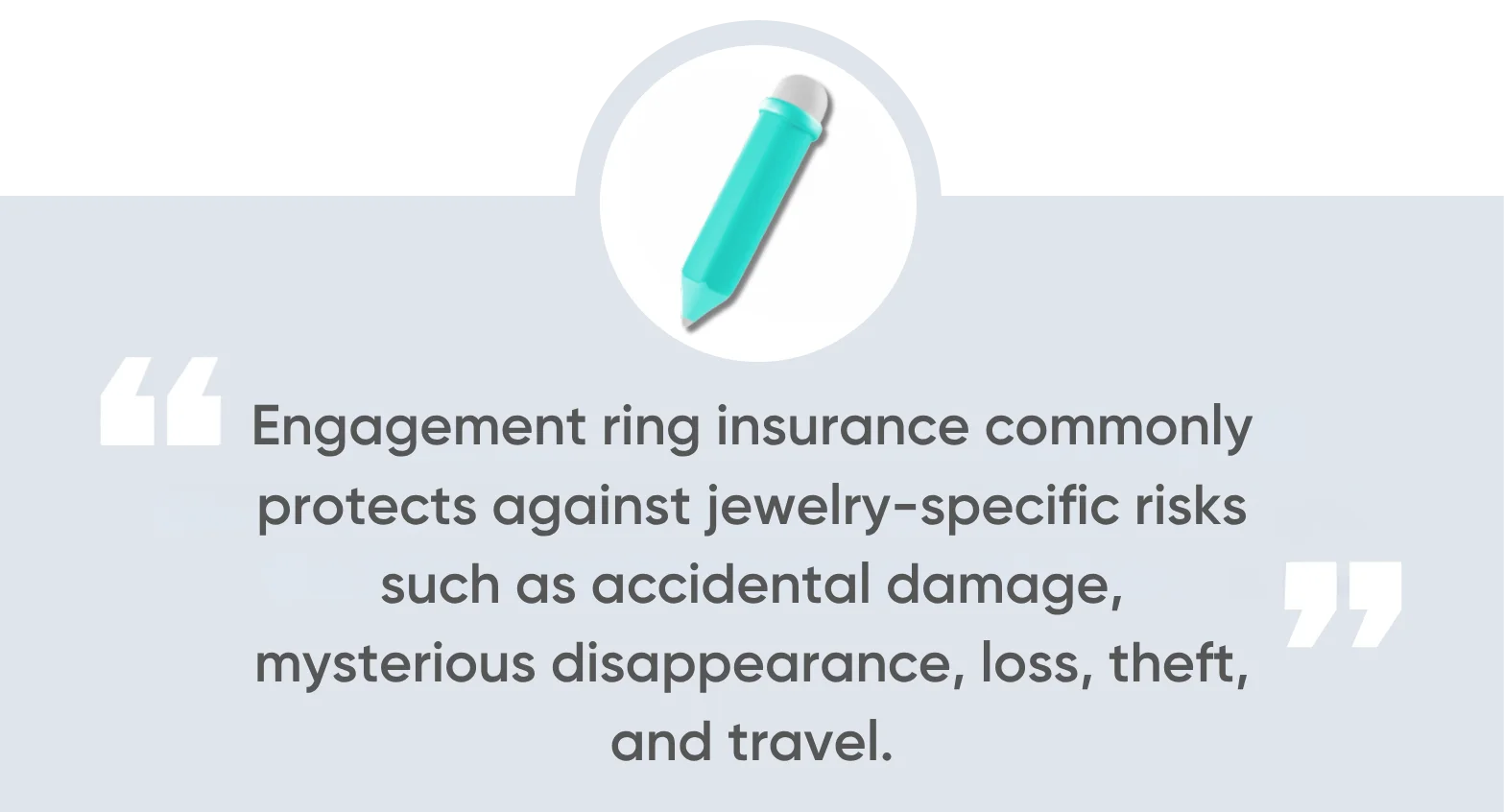
Exact coverage depends on the policy, but engagement ring insurance commonly protects against jewelry-specific risks such as accidental damage, mysterious disappearance, loss, theft, and travel.
Loss and Theft
If your ring is stolen from your home or anywhere else, or you lose the ring and can’t find it again, you’re covered.
Accidental Damage
If you knock your hand against a countertop and your diamond falls out of your engagement ring, you can file a claim. Scratch up the band on some rocks while hiking? Covered. Bend a prong because you wore the ring while working out? Again, you’re protected.
Mysterious Disappearance
Mysterious disappearance coverage kicks in if you lost the ring but literally have no idea how, when, or where.
Worldwide Coverage and Travel
Unlike standard homeowners insurance, the comprehensive coverage of a specialized jewelry insurance policy ensures that your coverage continues no matter where you go.
| Covered Risk | What It Means | Real-Life Example |
|---|---|---|
| Loss | Ring is lost or missing | Ring slips off while traveling |
| Theft | Ring is stolen | Ring is taken from a bag or home |
| Accidental damage | Ring is damaged unexpectedly | Bent prong or damaged setting |
| Mysterious disappearance | Ring is gone with no clear explanation | Ring is missing from a drawer or travel pouch |
Types of Engagement Ring Insurance Policies
Types of engagement ring insurance include homeowners or renters personal property coverage, a homeowners or renters scheduled rider or floater, and standalone jewelry insurance.
Note that the standard personal property coverage within your existing homeowners or renters insurance policy may mention jewelry, but it will still come with limits, exclusions, deductibles, and/or claims-history consequences. This is in stark contrast to standalone jewelry insurance that’s often more comprehensive and designed for real-world jewelry risks.
| Comparison Factor | Homeowners Insurance/Renters Insurance | Jewelry Rider or Floater on the Homeowners or Renters Policy | Specialized Jewelry Insurance Policy |
|---|---|---|---|
| Best Fit For | Jewelry owners who have low-value jewelry or who don’t want to bother with an extra policy/bill. | Those who want additional jewelry coverage but not an additional policy/bill. | Those who own high-value engagement rings, wedding jewelry, luxury watches, or heirloom pieces. |
| Coverage Strengths | The coverage already exists if you have a homeowners or renters policy, so it’s quite convenient. | You’ll enjoy the convenience of coverage connected to your existing policy, with no need for an extra, external policy. | Hands-down, this is the most comprehensive jewelry coverage overall, protecting you worldwide from theft, loss, accidental damage, and more. |
| Coverage Drawbacks | Limited coverage, with payouts too little to replace most jewelry. | While you have more coverage, the claims still impact your homeowners policy, meaning higher premiums and potential policy non-renewal later. | You’ll need to find and purchase a separate policy, and gather necessary documentation, such as appraisals. |
| Impact of Filing a Claim | Claims can impact your future premiums and policy renewal. | Claims can impact your future premiums and policy renewal. | Claims do not affect any other policies you may have. |
Why Appraisal Value Matters
When you get your engagement ring appraised, the appraiser reports what’s known as an appraisal value — aka, the amount it would cost the insurer to replace or repair your ring in the event of a claim — and insurers use this during their underwriting review to set your premium.
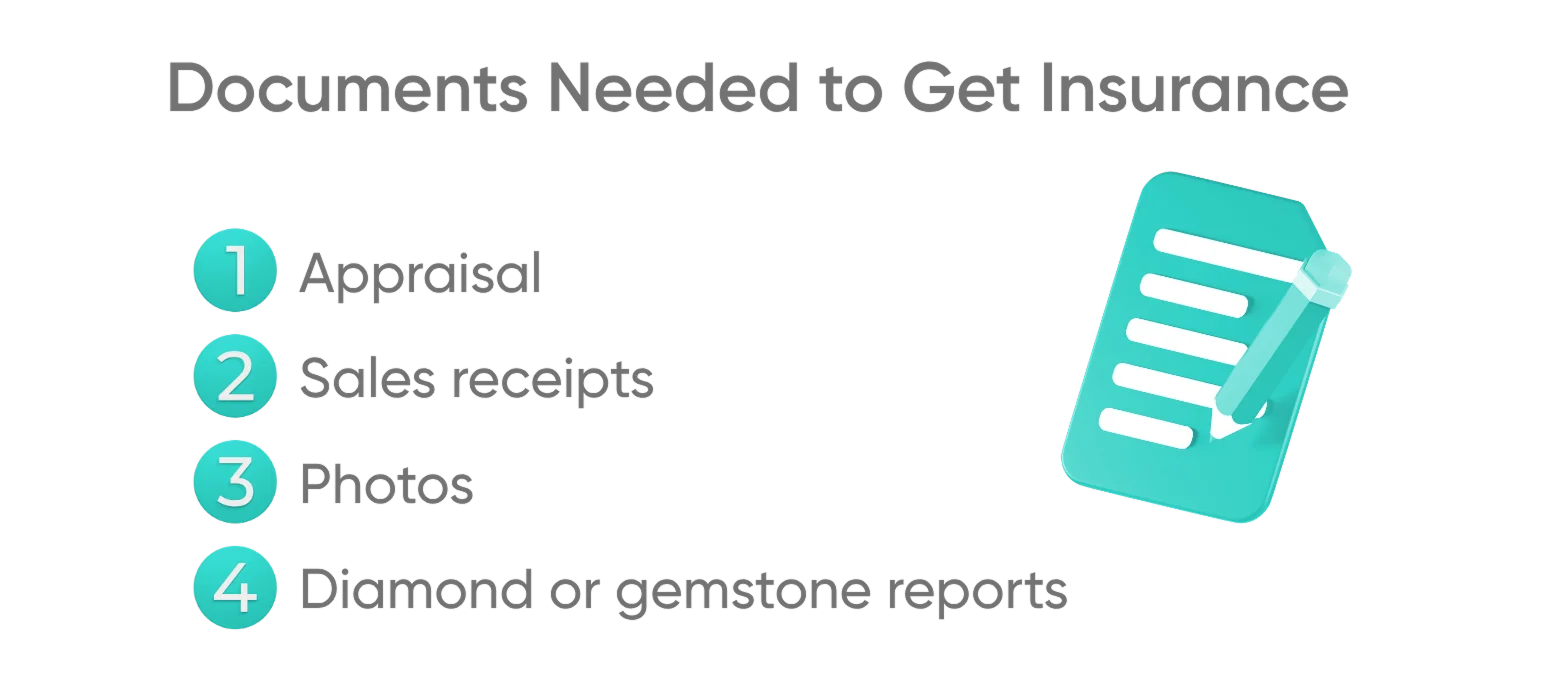
In addition to an appraisal, most insurance companies will also ask for the following documentation:
- Sales receipts to help support the ring’s total purchase price and ring details
- Photos to help document the ring’s condition and design (learn how to photograph jewelry for insurance purposes)
- Diamond or gemstone reports to help confirm specifications
So do you need an appraisal to get jewelry insurance? If you want the most accurate quote and level of coverage, yes.
How Much Does Engagement Ring Insurance Cost?
Jewelry insurance costs vary based on the ring’s appraised value, where you live, coverage limits and terms, deductible, and risk details. But engagement ring insurance rates should cost between 0.5% and 1.5% of the rings’ appraised value.
How much engagement ring insurance costs:
| Ring Value | Annual Premium (0.5%) | Monthly Cost (0.5%) | Annual Premium (1.5%) | Monthly Cost (1.5%) |
|---|---|---|---|---|
| $5,000 | $25 | $2.08 | $75 | $6.25 |
| $10,000 | $50 | $4.17 | $150 | $12.50 |
| $20,000 | $100 | $8.33 | $300 | $25.00 |
Though not guaranteed quotes, these are safe estimates for what you can expect, based on your ring’s value.
How an Engagement Ring Insurance Claim Works
If you ever need to make a jewelry claim on your engagement ring insurance policy, this is what you can expect:
- You’ll document what happened.
- Then, you’ll contact the insurer quickly.
- Submit your claim details, photos, appraisal, receipt, and incident notes.
- You’ll file a police report if theft is involved.
- Then, wait for your claim to be reviewed.
- Coordinate a repair or jewelry replacement for a piece of the same kind, according to your policy terms.
- Ask your insurer whether the policy allows use of your preferred jeweler before scheduling repairs.
At BriteCo, “you get assigned a claims concierge who will walk you through the process,” Lemick says. “That’s how you get started. It’s pretty simple.”
Engagement Ring Warranty Vs. Engagement Ring Insurance
Engagement ring warranty coverage and engagement ring insurance are two types of protection, with the former often covering routine maintenance (think stone tightening or clasp replacement) and manufacturing-related issues, and the latter covering real-world risks like theft, loss, and damage.
| Protection Type | Usually Helps With | Usually Does Not Help With |
|---|---|---|
| Warranty | Manufacturing defects, resizing, limited service, routine maintenance | Loss, theft, mysterious disappearance, major accidental damage |
| Insurance | Covered loss, theft, accidental damage, replacement, repair | Normal wear, intentional damage, excluded maintenance issues |
| Both together | All of the above, making for the best overall options | All of the above — even combined, you’ll still be subject to each type of protection’s exclusions (so check your documentation carefully before relying on one or the other) |
Keep all the documentation for both your jewelry warranty and jewelry insurance together, in one safe spot: the warranty documents, appraisal, receipt, and policy documents, etc.
When Should You Purchase Engagement Ring Insurance?
When it comes to when to insure an engagement ring, you should buy coverage as soon as you own the ring, as otherwise you leave jewelry exposed to risk factors and unforeseen circumstances that could result in loss, damage and, ultimately, major out-of-pocket costs.
| Moment | Why Coverage Matters |
|---|---|
| Before proposal | Ring may be hidden, transported, or shown privately, leading to increased risks |
| After proposal | Ring will likely become daily-wear jewelry, subject to daily risks |
| During wedding planning | More travel, events, resizing, and public wear increase risks |
| Before honeymoon or travel | More transitions and theft/loss exposure will occur |
| After resizing or reset | Ring details and value may need updating |
Homeowners or Renters Insurance Vs. Dedicated Ring Insurance
Your existing homeowners or renters insurance policy may cover jewelry in limited circumstances, but high-value engagement rings often need more comprehensive coverage via a specialized policy.
In short, here’s why homeowners insurance won’t protect your engagement ring: With homeowners or renters insurance, the standard policy limits may be too low; loss and accidental damage may not be fully covered, and you may still have to pay a deductible.
“If you have a piece of jewelry and it gets lost, you’re probably going to get dropped from your homeowners insurance or your rate’s going to go even crazier,” Lemick says. But with separate jewelry insurance, your homeowners rates will not go up because you made a claim.
In contrast, additional coverage in the form of a specialized jewelry insurance policy is designed specifically around how jewelry is worn, stored, lost, and replaced, so it covers the major jewelry risks.
How to Choose an Engagement Ring Insurance Company
To purchase the best protection possible, compare insurance companies based on the following factors:
- Jewelry-specific expertise (are these insurers jewelry specialists or generalists?)
- Clear coverage terms
- Replacement or repair processes
- Whether you can use your preferred jeweler for a claim
- Deductible options
- Claims processes
- Whether claims affect your home/renters insurance
- Reviews and complaint history
- Sample policy availability
- Customer support and claim concierge availability
Picking the wrong insurer is one of the top mistakes to avoid when insuring your engagement ring. At BriteCo, “you go onto our website, you can see the coverage, and you can get a quote in 30 seconds,” Lemick says. “And then if everything looks good, the price works, etc., you can buy it right there on the website.”
How to Protect the Ring Before and After You Insure It
- Store the ring safely when not worn.
- Avoid leaving jewelry loose in bathrooms, gyms, cars, hotels, or pockets.
- Photograph the ring from multiple angles and store these photos with your policy documentation.
- Save documentation such as the ring appraisal, receipt, certificate, and repair records.
- Schedule inspections for loose stones or worn prongs.
- Store rarely worn fine jewelry and valuable items in a safe place.
- Consider whether other jewelry or luxury watches should be documented, too, and insured on the same policy.
Engagement Ring Insurance FAQs
Does homeowners insurance cover engagement rings?
Your current insurance may cover engagement rings to a small degree, but only under limited circumstances and, on average, the payout will be minimal in comparison to the ring’s full value.
Is engagement ring insurance worth it?
For many couples, yes, engagement ring insurance, as well as wedding ring insurance, is very much worth it, as it assures that you can replace or repair these sentimental pieces after a loss, theft, or damage.
How does engagement ring insurance work?
Engagement ring insurance provides financial protection for your uninsured jewelry, so you can have it repaired or replaced after a loss, theft, or damage.
What does engagement ring insurance cover?
Most engagement ring insurance policies cover theft, loss, accidental damage, and mysterious disappearance, worldwide.
Does ring insurance cover loss?
Yes, most engagement ring insurance policies do cover loss, including mysterious disappearance.
Conclusion: Engagement Ring Insurance Works Best When It Is Simple, Specific, and Active
“Engagement ring insurance works by turning a ring’s documented value into practical financial protection,” Lemick says, “so a covered loss, theft, or accident does not become a full out-of-pocket replacement cost.”
To insure jewelry, document the ring, choose a policy, understand your covered risks, keep records, and file a claim if something happens. The best protection will be specific to the ring, its value, and how the owner actually wears and stores it.
Get your jewelry insurance quote — check your price now.
Get a Quote:
The Easy Way to Insure Your Jewelry - and Save Money!
UP NEXT: December is Proposal Season: What the Data Says About Holiday Engagements

Author